
Tunbridge Wells, which since 1909 has had the prefix "Royal", is a town on the south western edge of Kent.
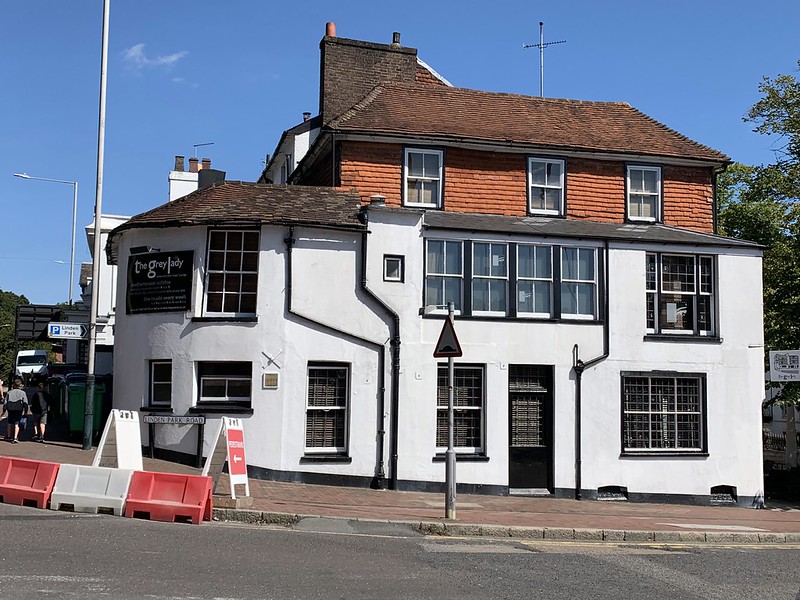
A pub in Tunbridge Wells
There has been habitation in the area for thousands of years, with Iron Age and Roman traces found including a hillfort. However, until the early 17th century the area was part of the parish of Speldhurst. In 1606 Dudley North, a courtier of King James Vi and I, was staying in the area and found his poor health improved after drinking from a spring. Within a couple of decades a popular health spa had been established in the area.
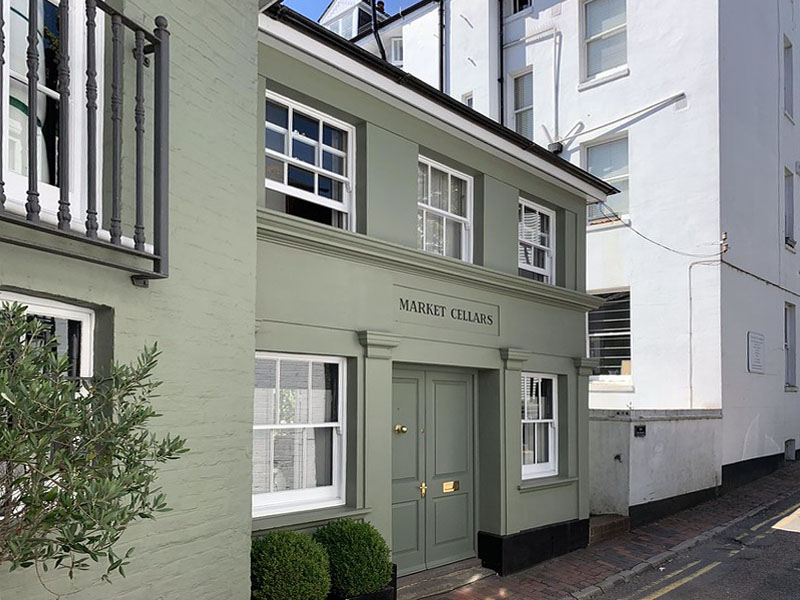
Market Cellars
Towards the end of the 17th century, the health spa began to turn into a town, which was built up around the church of King Charles the Martyr which was built in 1684. It maintained it's popularity as a spa town, experiencing growth after the visit of Queen Victoria and Prince Albert in the early 19th century. Such was it's popularity and importance it even took the name of Tunbridge from the much older town nearby which had to be renamed Tonbridge!
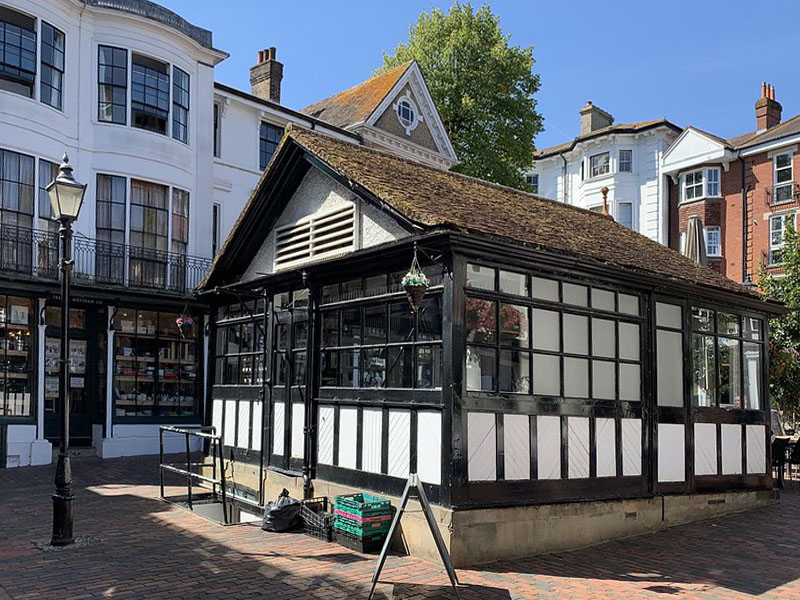
The centre of Tunbridge Wells is full of pretty white buildings
King Edward VII granted Tunbridge Wells a Royal prefix due to it's popularity with various members of the Royal Family. Tunbridge Wells remains an affluent town and has continued to grow with over 100,000 people in the wider borough. Tunbridge Wells has two railway stations plus the now preserved Tunbridge Wells West which is the headquarters of the Spa Valley Railway.
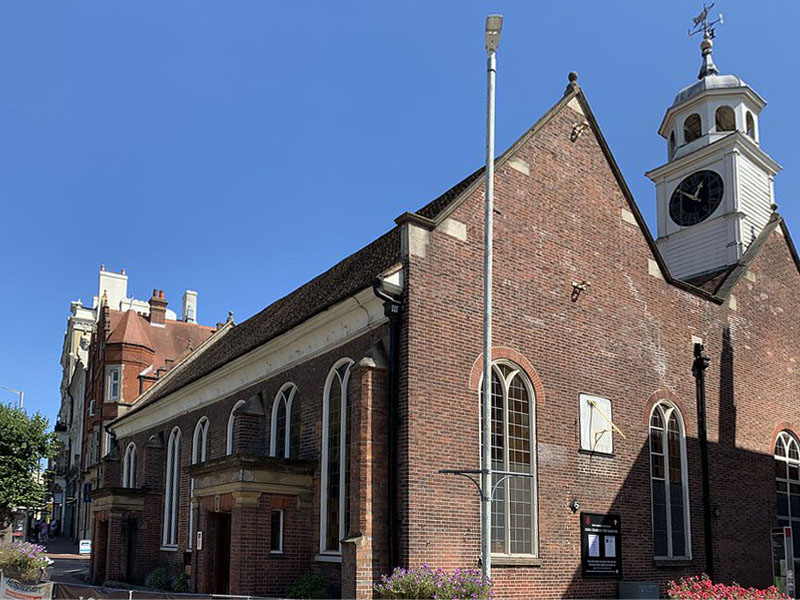
King Charles the Marytr church
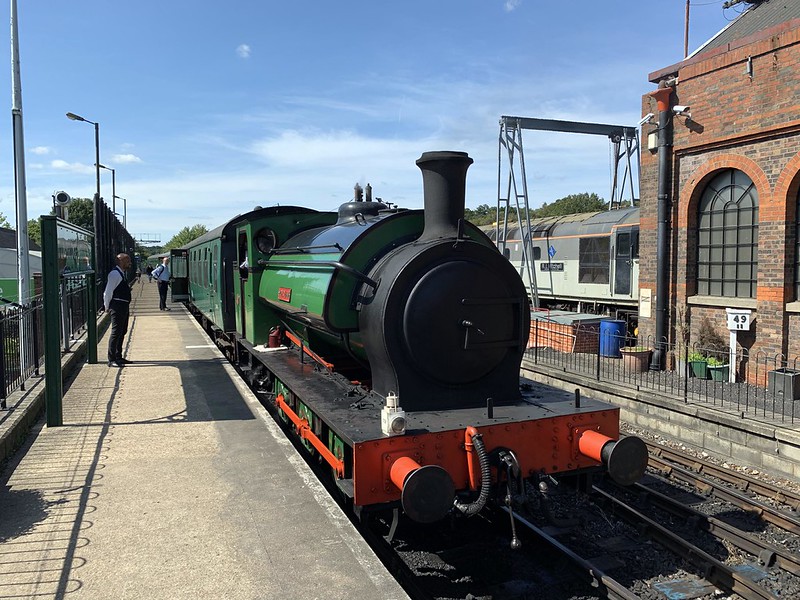
Spa Valley railway station
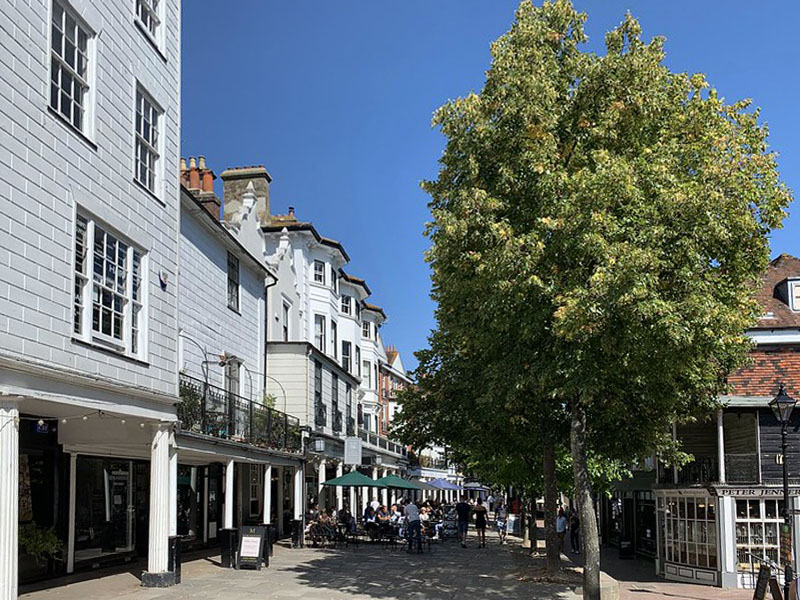
Along a shopping street
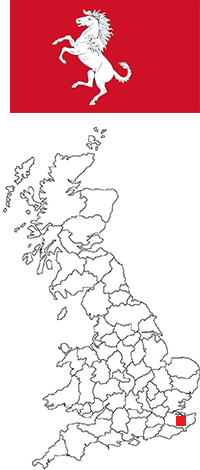
Location