
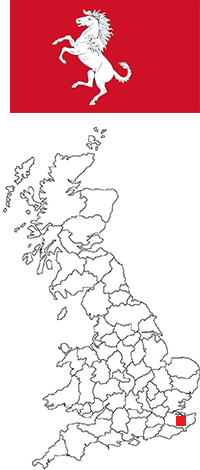
The market town of Tonbridge is in the south west of Kent.
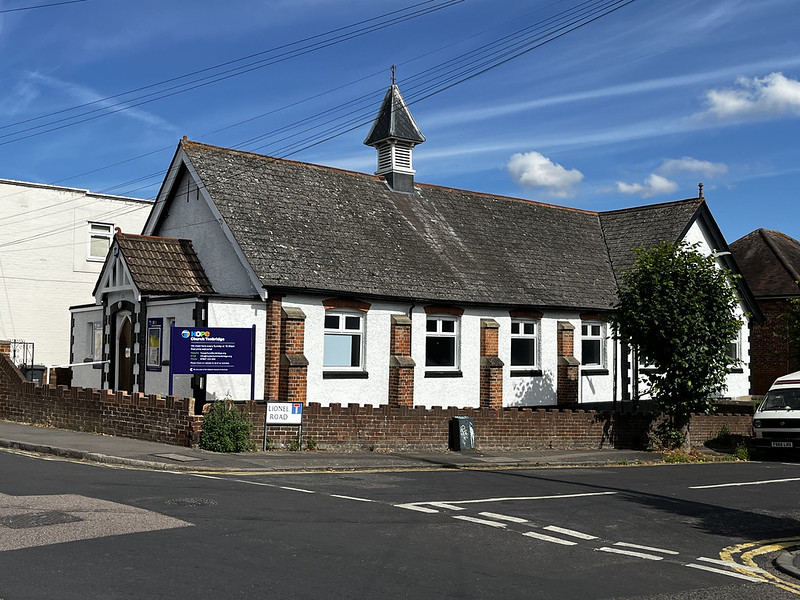
Tonbridge
The town was listed in the Domesday Book as Tonebrige which may mean the bridge which belonged to the manor. The town was known as Tunbridge until 1870 when the name was changed by the Post Office to avoid confusion with nearby Tunbridge Wells!
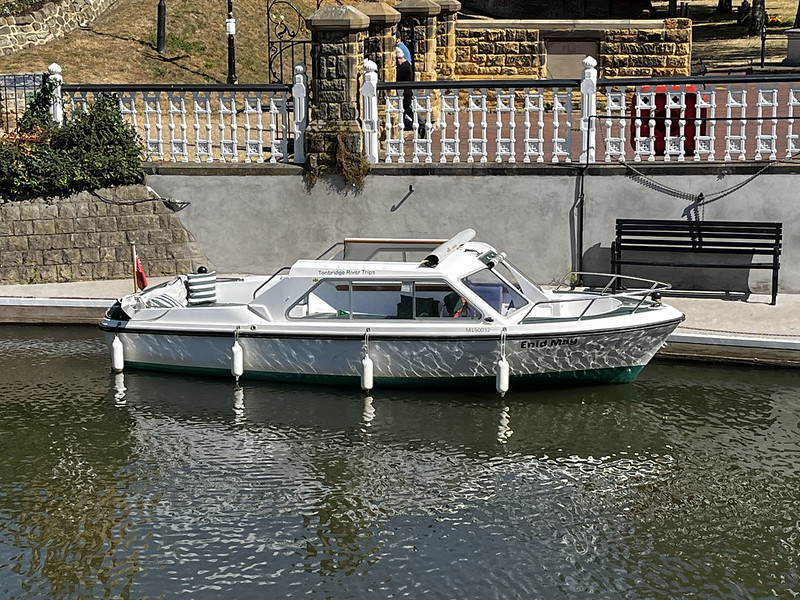
Boat on the Medway
The river Medway which flows through the town (indeed next to the castle) was made navigable as far as the town in the 1740s. This allowed for water borne trade from Maidstone and the Thames. Commercial traffic continued on the river until 1911. Tonbridge railway station opened in 1842 and remains a busy station to this day, a large goods yard and depot is next to the station. An interesting transport first for the town was that in 1896 the first ever speeding fine to a motorist was handed out, the motorist had been travelling 8 mp/h in a 2 mp/h zone!
St Stephen
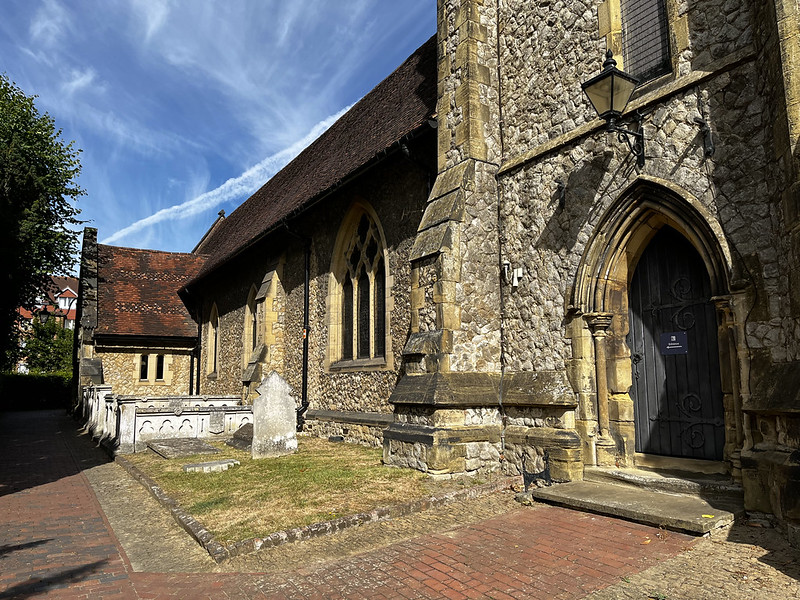
The church of St Stephen in Tonbridge, Kent was built between 1848 and 1853 close to the railway station which sparked the development of the south side of the town where the new church was built on land bought by the vicar Sir Charles Hardinge.
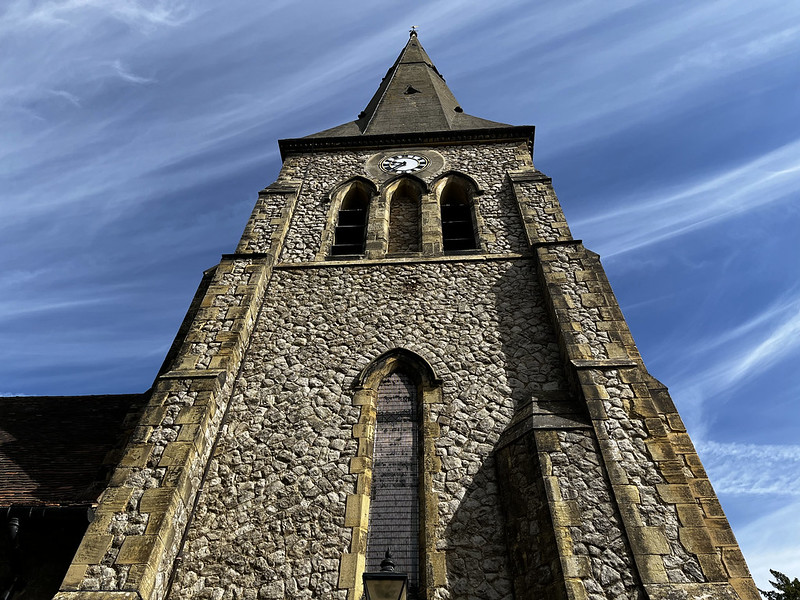
The church was built by the Punnett family and was consecrated in 1851. The spire and north aisle were added in 1866.
Tonbridge castle
A castle was built in Tonbridge in Kent not long after the Norman Conquest, a motte and bailey castle was built by Richard Fitz Gilbert, the wooden keep later being replaced by a stone one. Fitz Gilbert's descendants rebelled against King William II who besiged the castle and eventually had both the castle and town burnt down!
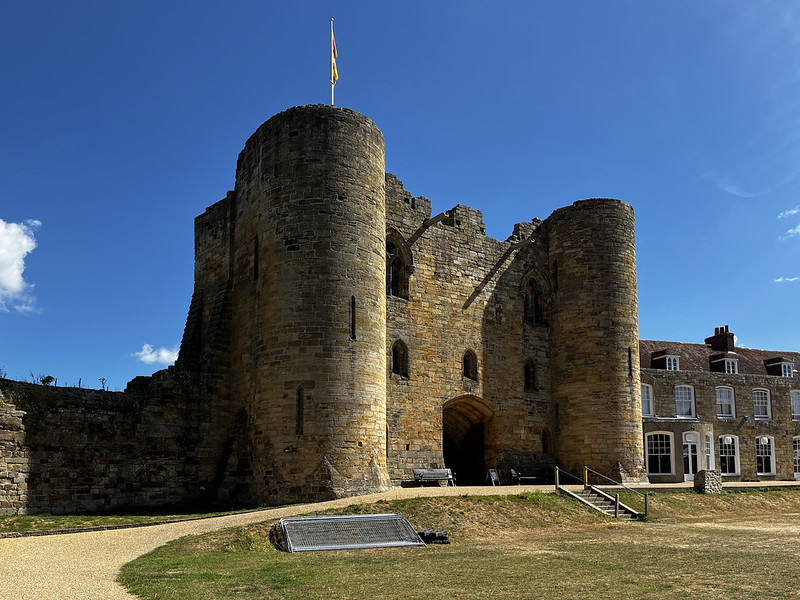
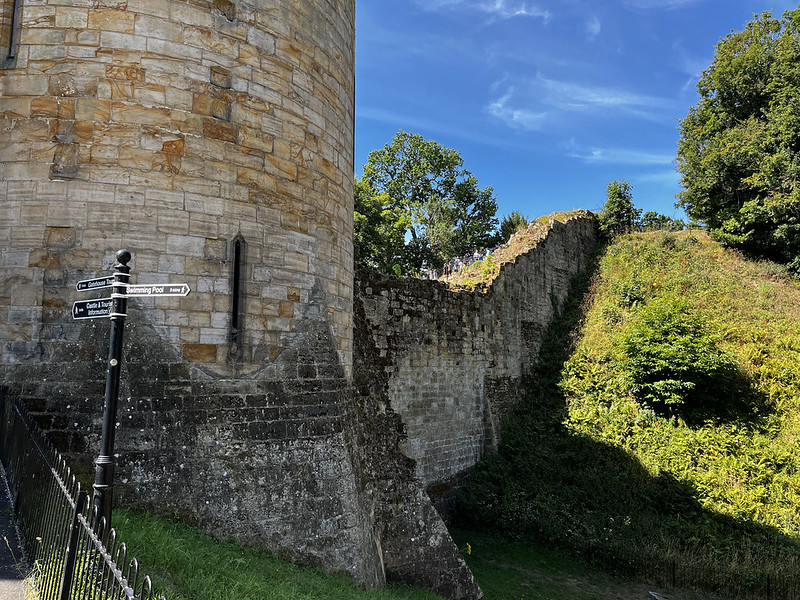
The castle was rebuilt and expanded in the 13th century including a stone wall around the town. The castle has a large two towered gatehouse which took thirty years to construct and is one of the major remaining parts of the castle, which fell out of use in the 16th century. A mansion was built next to the gatehouse in 1793.
Location