
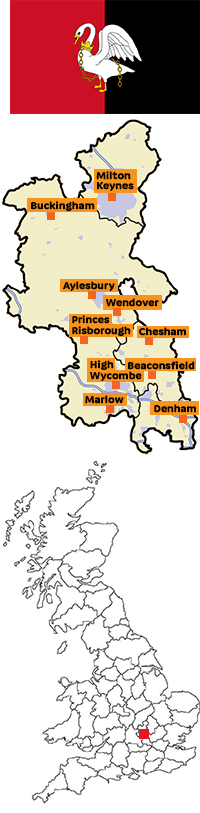
Little Kimble is a village between Aylesbury and Princes Risborough, part of a civil parish with Great Kimble.
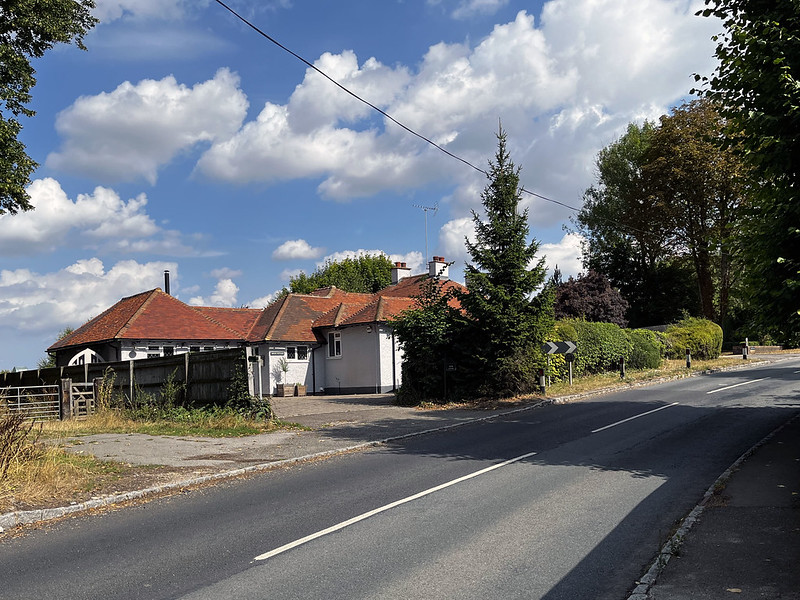
A house in Little Kimble
There has been habitation in Little Kimble since at least Roman Britain, remains of a Roman villa in Little Kimble have been found. The origins of the name Kimble are unknown, during Saxon times the area was known as Cyne Belle or royal bell but the reason for this time is unknown. One theory is that it is derived from the Celtic king Cunobeline who probably owned the hill fort on Pulpit Hill in the parish. Cunobeline's son Togodumnus is said to have died in Kimble during fighting with the Romans and was buried there.
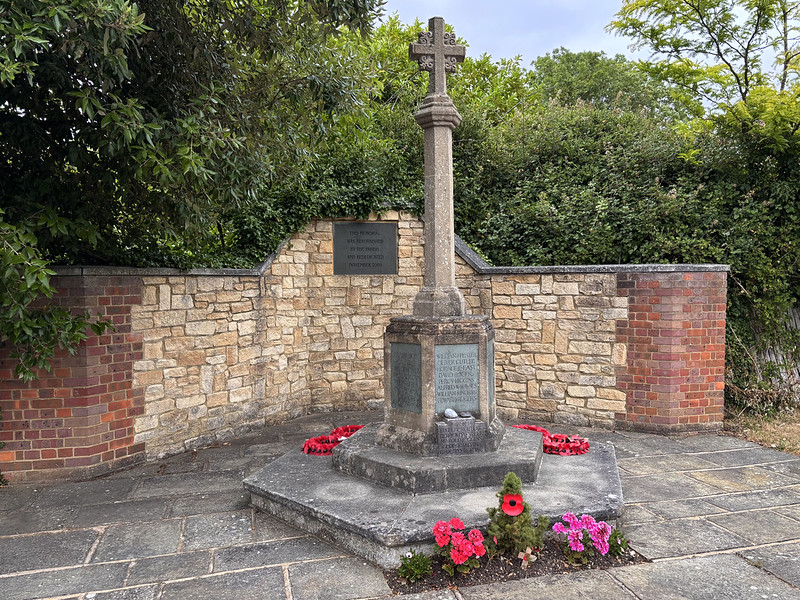
War memorial
In the Domesday Book, Kimnle was known as Chenebelle. Little Kimble was listed as a village of ten people. A motte and bailey castle was built in Little Kimble, the motte still remains though little else of the castle can be seen today.
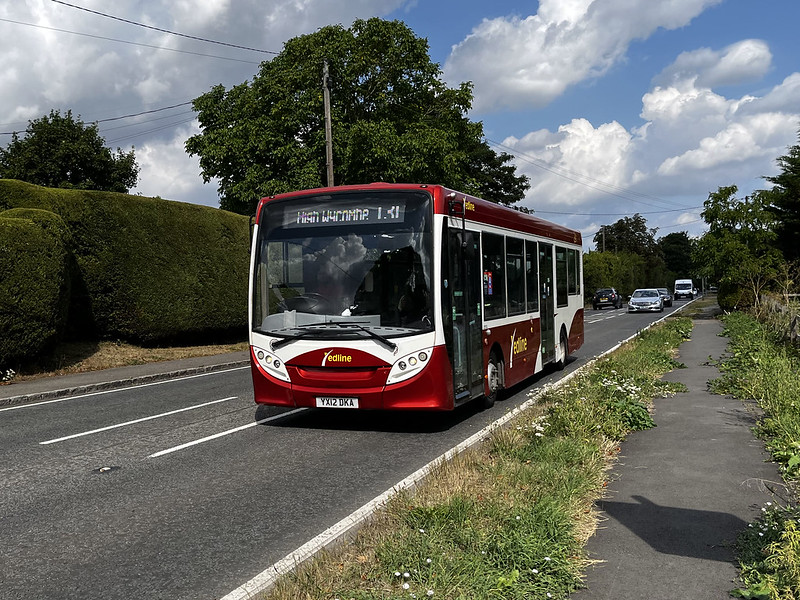
A bus heading through Little Kimble
Little Kimble remains a small village today, it has a railway station however, which opened in 1872. The station is the closest to Chequers, the official residence of the Prime Minister. In 1998, Little Kimble hosted the Royal Train which bought the spouses of the world leaders to Chequers during the G8 Summit.
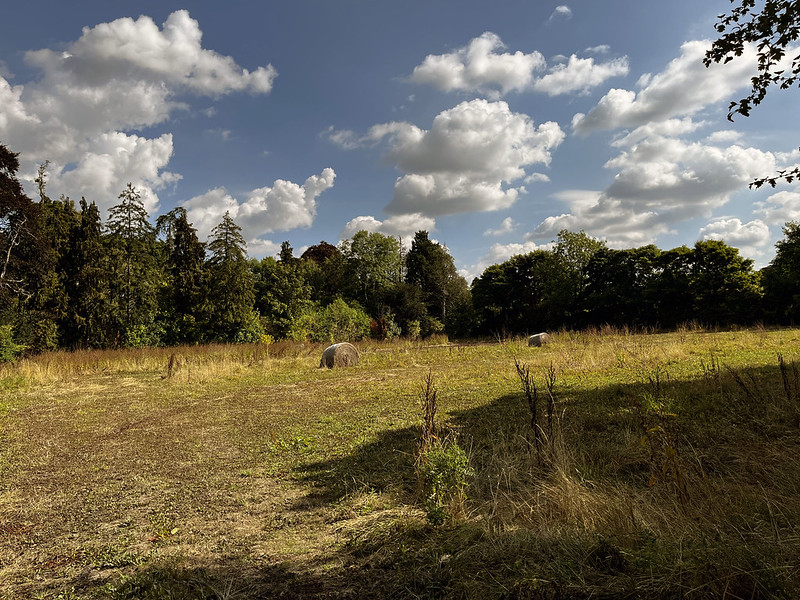
Field in Little Kimble, the area around the village is mostly agricultural
All Saints
The parish church of All Saints in Little Kimble, Buckinghamshire dates from the 13th century. The small church has a nave, chancel and north and south porches. The church has a bellcote at it's western end. This was added in the 19th century. The church was altered in the 14th century when the porches were added. The church was restored in 1876.
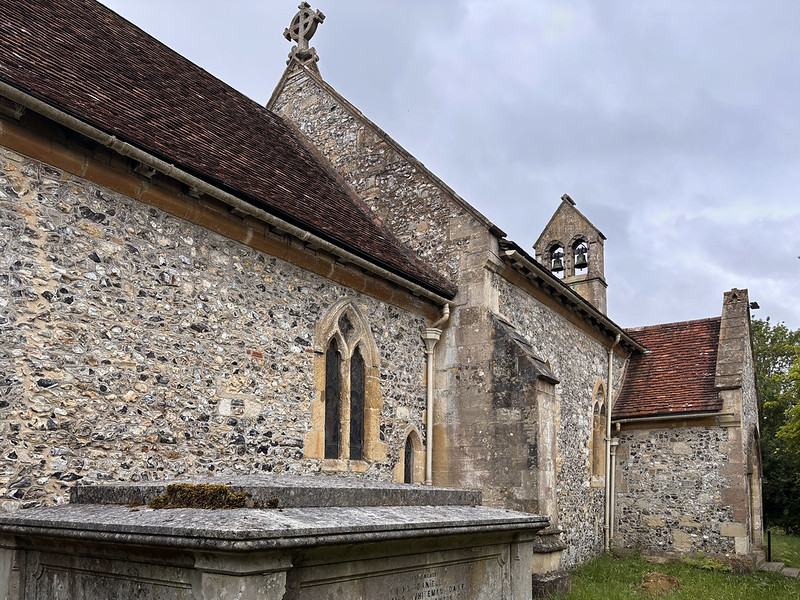
The church is built from flint and rubble stone with a stone dressing.
Location