
Great Kimble is a village between Princes Risborough and Aylesbury. The village has Saxon origins though there have been people living in the area since Roman times (there may be the remains of a Roman villa next to the parish church) and beforehand. The village was known as Chenebelle at the time of the Domesday Book and was owned by Walter Giffard, a Norman lord. Later it was granted to Hugh of Bolbec.
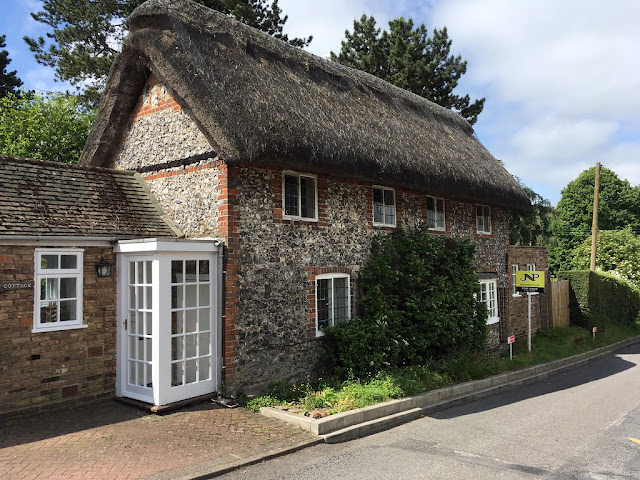
Thatched cottage
In later centuries Great Kimble became known for being where John Hampden refused to pay his ship money (a tax raised without parliament) to Charles I. Although others also refused to pay, John Hampden was chosen to be sued as a test case. The King won the case though not by a unanimous judgement which has been seen as a moral defeat for the King and a weakening of his authority..
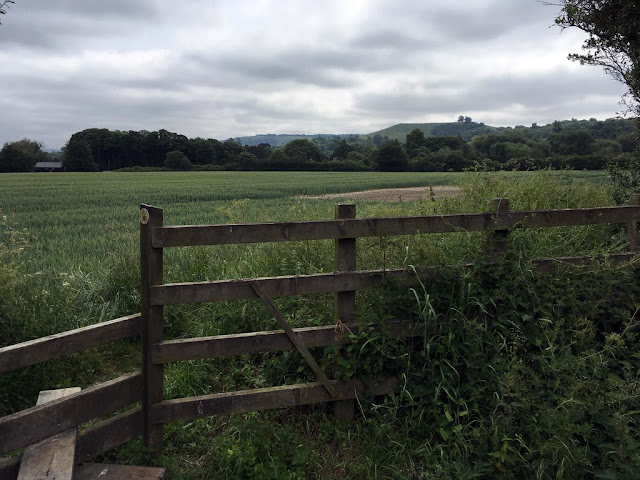
Fields
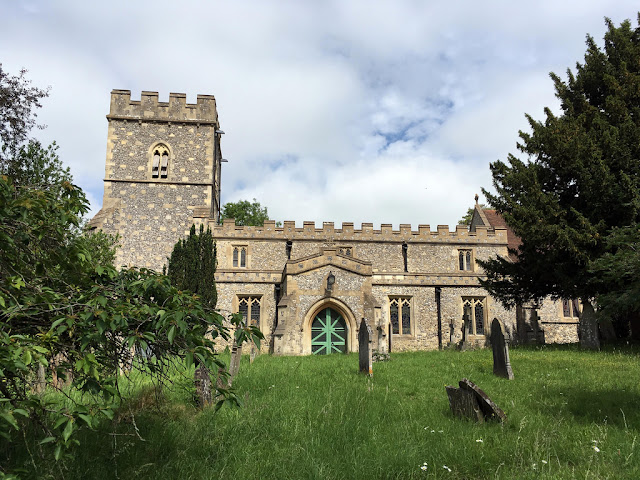
The parish church of St Nicholas dates from the 12th century. The nearest station is in the adjacent village of Little Kimble and was opened in 1872.
St Nicholas
The church of St Nicholas in Great Kimble dates back to the twelfth century originally being a simple church with a nave and a small chancel. The font is of the Aylesbury type and dates from around 1190. Arcades were added in the following century.
The chancel was enlarged in the fourteenth century. The tower and clerestory were also added in the fourteenth century. The church was rebuilt in the late 1870s giving it the current flint exterior.
St Nicholas' proximity to the Prime Minister's official residence at Chequers means that the odd leader has signed it's visitor book over the years.
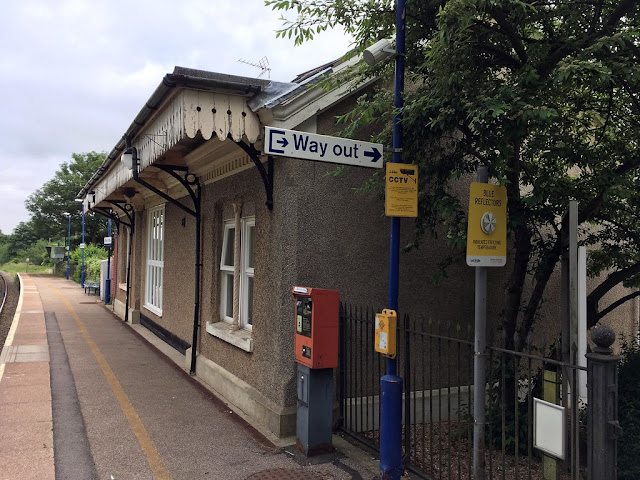
Little Kimble railway station
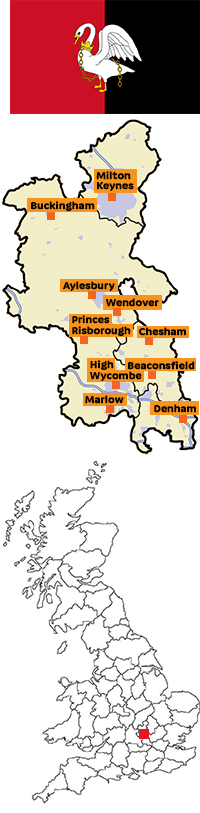
Location