We now continue on from Wilmcote and head up to what is arguably the most impressive part of the entire canal, the Edstone Aqueduct. But first, just as we are leaving Wilmcote we can see traces of an old tramway bridge on the opposite bank to the towpath.
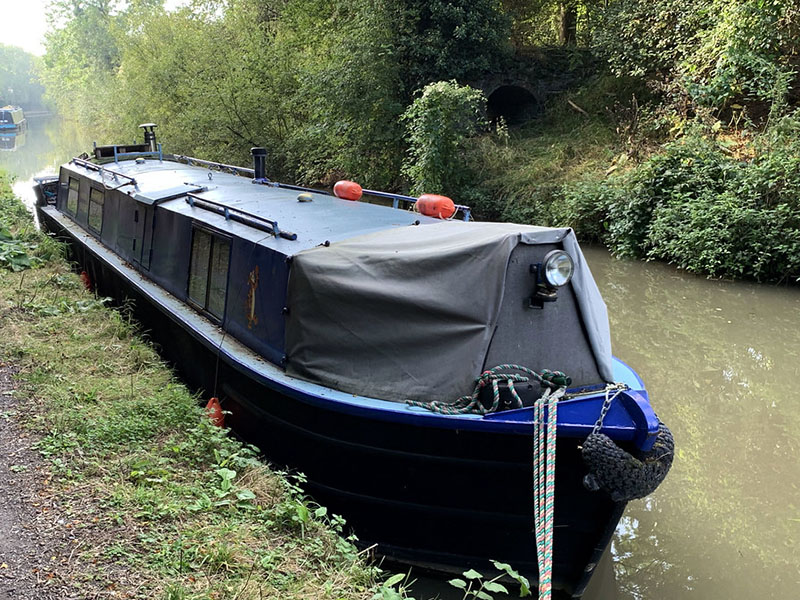
Tramway bridge abutment remains in the right background
This was part of the Blue Lias Lime and Cement Works which operated a limestone quarry just to the north of the village. A tramway was built to link the quarry to a wharf on the canal. The tramway was later extended to the nearby railway line using a bridge which crossed the canal (one of the stone abutments can be seen in the photograph), though the company also had a fleet of canal barges. The quarry became exhausted in the early 20th century and closed in 1908. Now little trace of the tramway remain.
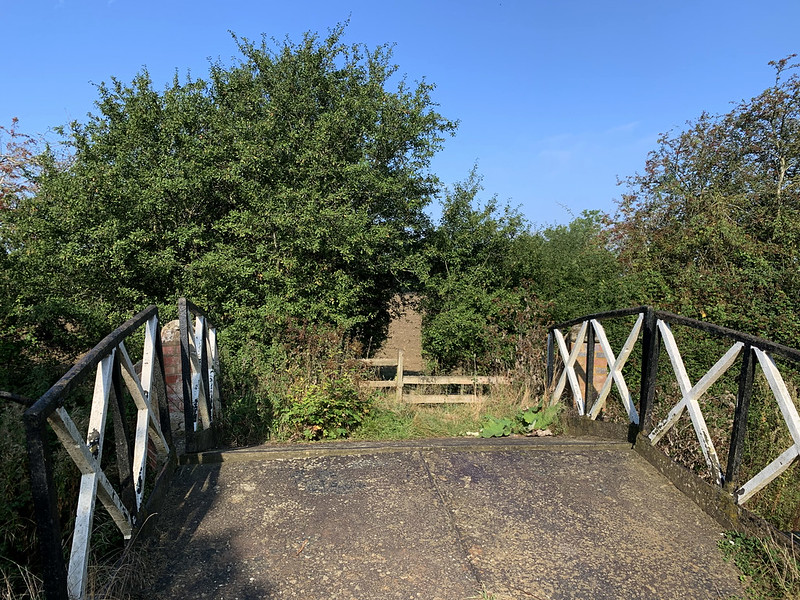
Field Bridge 58
The canal continues, passing under another of the small bridges common to the southern section of the Stratford Canal. There is also a winding hole for boats which need to turn around, as the Stratford Canal is a narrow gauge winding holes are vital for turning around longer narrowboats.
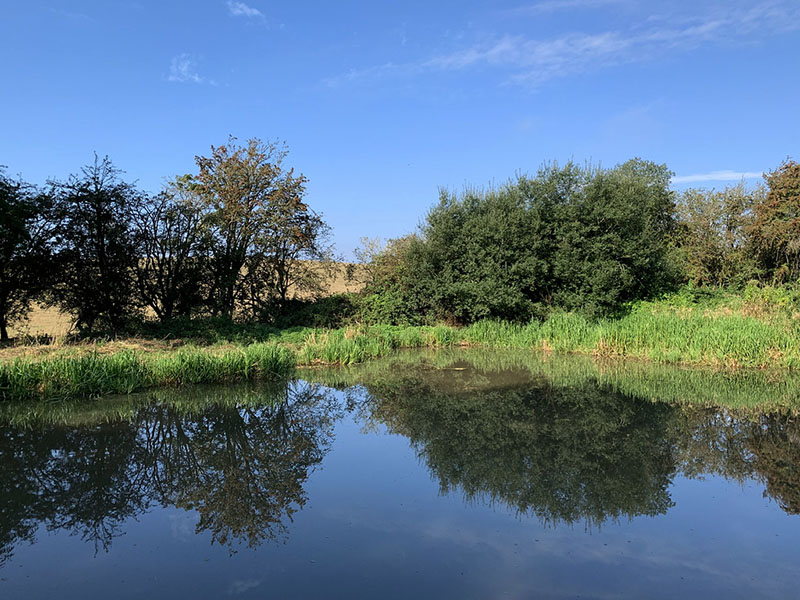
Edstone Winding Hole
We pass under another of the small bridges and then we reach the amazing Edstone Aqueduct.
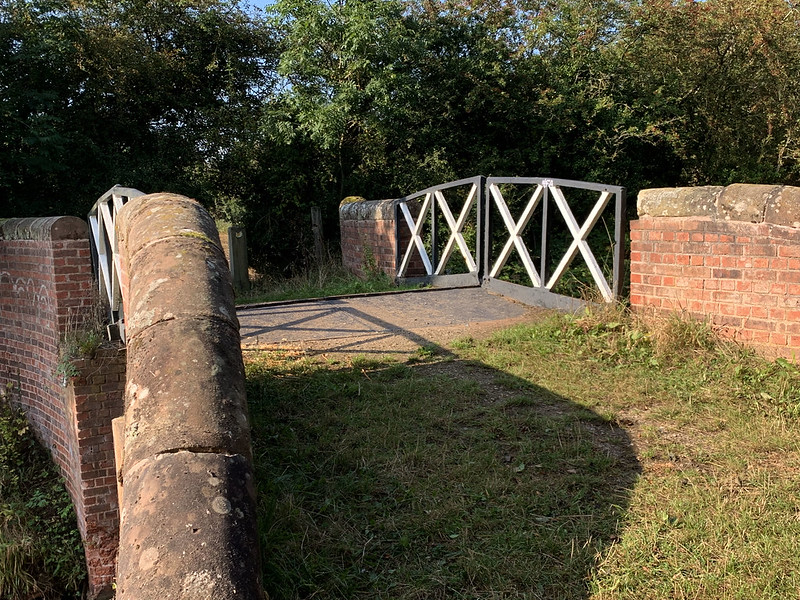
Edstone Footbridge 57
The Edstone Aqueduct is 145m long and is the longest cast iron aqueduct in England. It was built in the mid-1810s from thirty five separate sections which have been bolted together. The aqueduct crosses the North Warwickshire railway line, a road, a stream and the track bed of a now closed railway line.
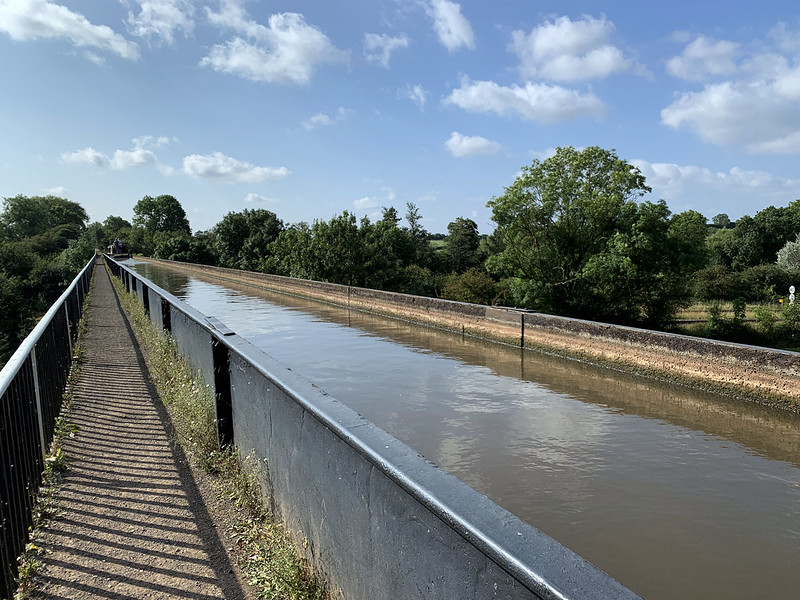
Edstone Aqueduct
Unusually, the towpath is at the same level as the bottom of the trough.
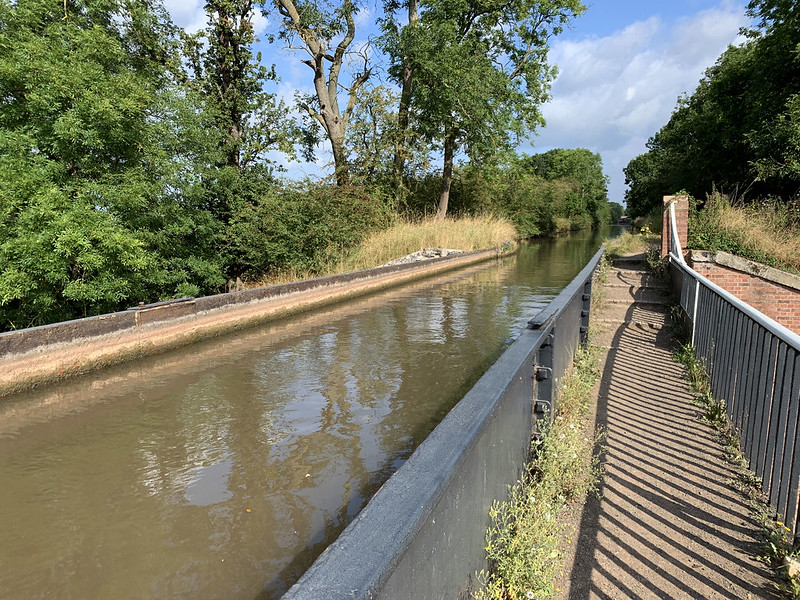
Edstone Aqueduct