
When the momentous decision was made by the British Transport Commission to change from steam traction to diesel and electric in 1955 they used the following types based on engine power for their requirements for new diesel locomotives.
Initially, the BTC specified three types: A, B & C.
Type A - 800-1,000hp for freight.
Type B - 1,000-1,250hp for mixed traffic.
Type C - 2,000hp or over for heavy duties.

A Class 25, an example of a Type B
Early diesel locomotives were described using these types, for example the later Class 20 was a Type A due to it having a power output of 1,000hp.
This was fine though the technology was developing fast, a new locomotive far more powerful than before (also known as the Deltic) had been developed which had a power output of over 3,000hp! The BTC therefore modified their type classifications to include more powerful locomotives.
Type 1 - Up to 1,000hp.
Type 2 - 1,000hp-1,499hp.
Type 3 - 1,500-1,999hp.
Type 4 - 2,000-2,999hp .
Type 5 - Over 3,000hp.
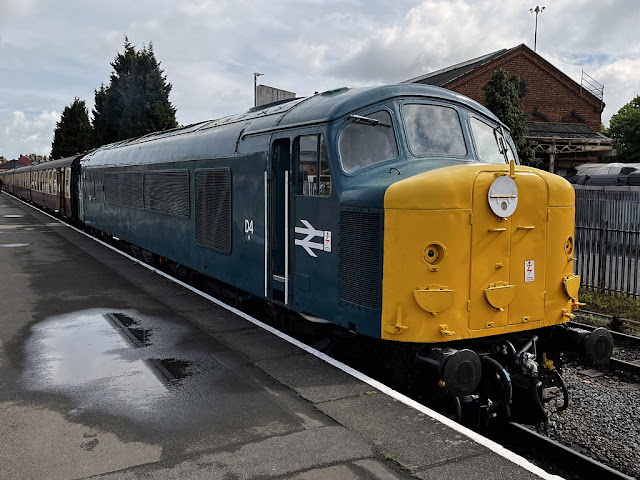
A Class 44, an example of a Type 4
Therefore, under this new system the Type A Class 20 became a Type 1.
This is still the system in place today though tends to only refer to British Rail locomotives.