

After the Second World War, many places in central Birmingham needed reconstruction after the Blitz, many people moved out of the old central area slums to new build suburbs as the city expanded into places like Shard End. A new design of street name sign was also developed, a more modern design befitting the times.
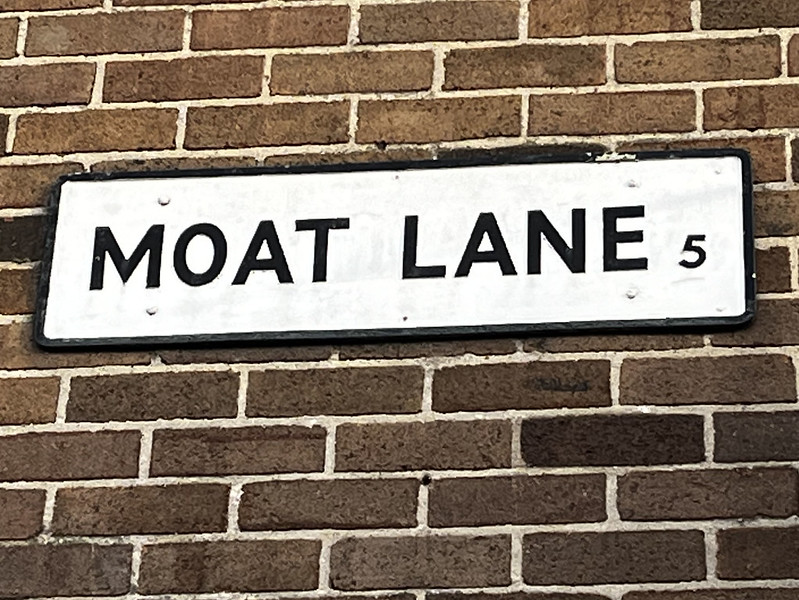
Moat Lane, Birmingham 5
The new signs used a sans serif font on a utilitarian rounded rectangle design. The signs usually included the postcode and indeed it is quite rare to see one without the postcode added, the postcode is usually in red numerals alongside the black street name lettering although sometimes it is also in black.
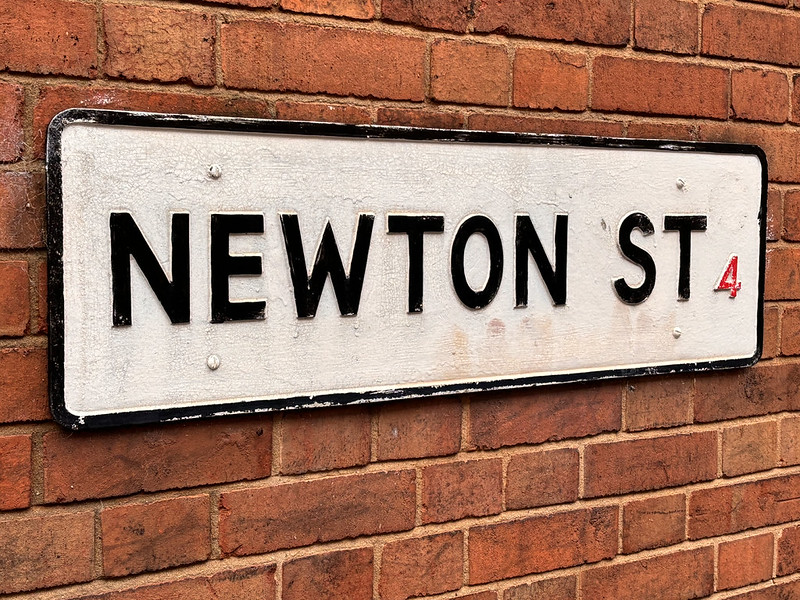
Newton Street, Birmingham 4
This design is still very common across the city especially on post-war estates. It remained the standard until Birmingham switched to printed vinyl signs in the late twentieth century. The early form of these copied the same typeface and design.
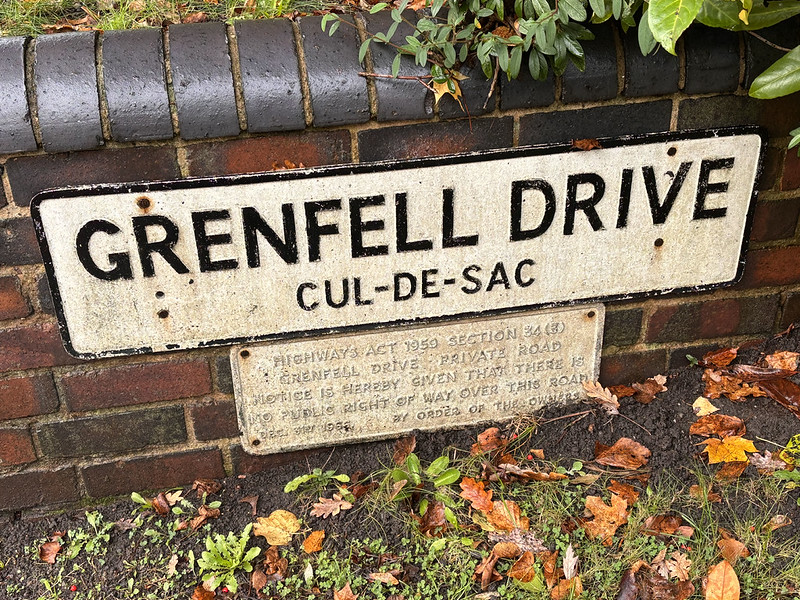
Grenfell Drive, a cul-de-sac
Unlike the earlier signs which did not have space for additional information such as the road being a cul-de-sac, this information can be easily fitted underneath the street name.
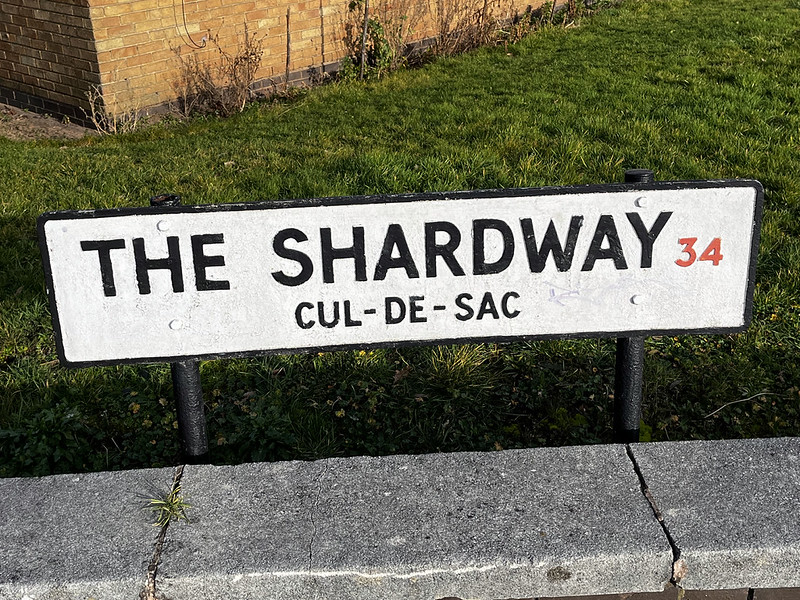
The Shardway, a cul-de-sac but also has the postal district
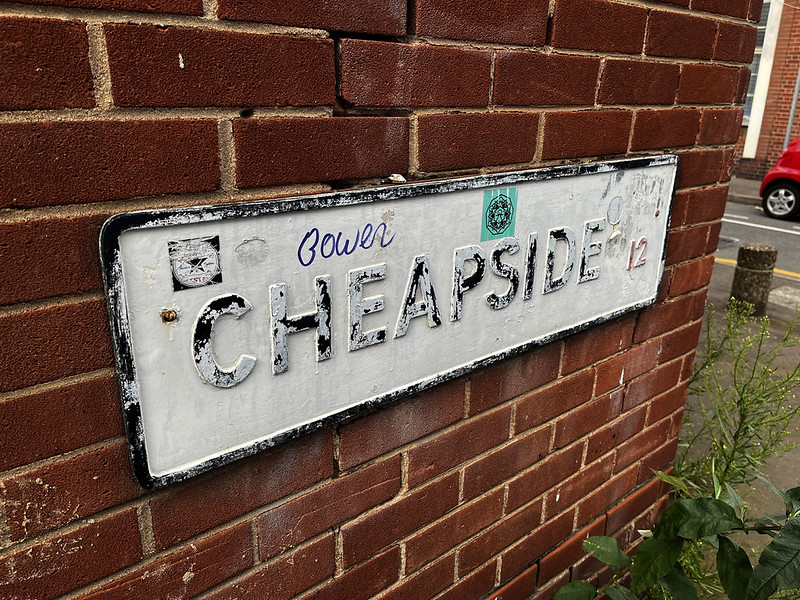
Cheapside, Digbeth and unfortunately in need of repainting
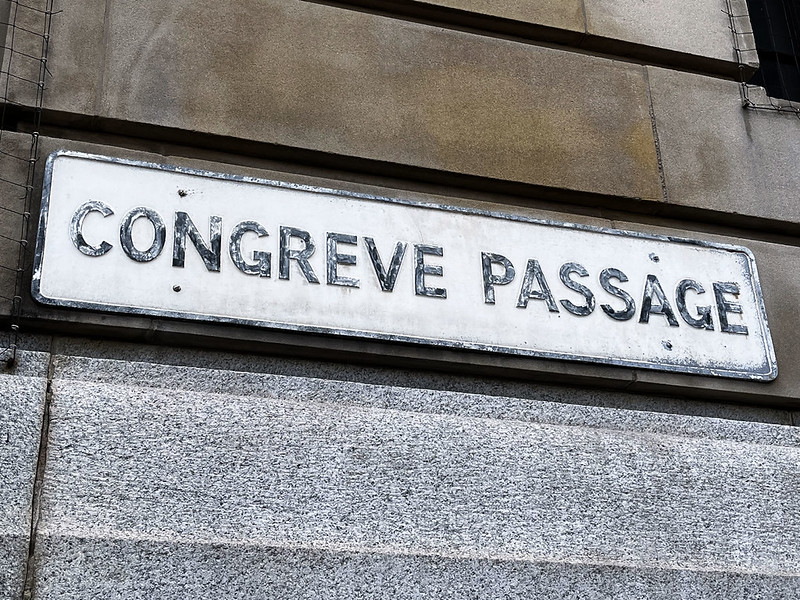
Congreve Passage in central Birmingham, no postal district displayed