
The Bristol VR was Bristol's competitor to the Leyland Atlantean and Daimler Fleetline. The VR had a longitudinally mounted engine, with a choice of Gardner or Leyland diesel engines. This gave the bus chassis it's name, VR standing for Vertical Rear!
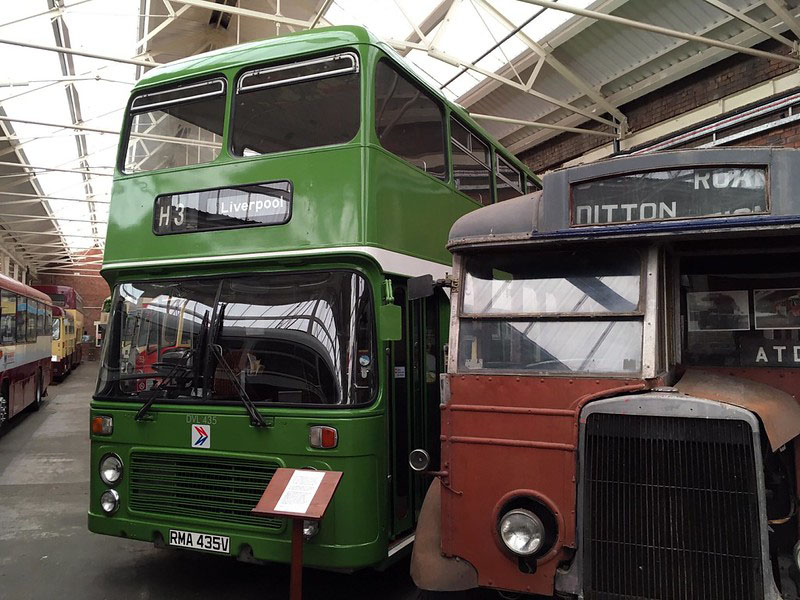
Crossville Bristol VRT (left)
| Information | |
|---|---|
| Built: | 1966-1981 |
| Builder: | Bristol Commercial |
| Engine: | Various including Gardner 6LX and Leyland O.699 |
The first prototypes were built in early 1966. The VR was soon followed by the VRT which had a more conventionally mounted transverse engine. This ended up becoming the most common version built (the original being renamed VRL). The bus entered service with Eastern Scottish in 1968. Most VRs had Eastern Coach Works bodies though other coach builders also built for the VR.
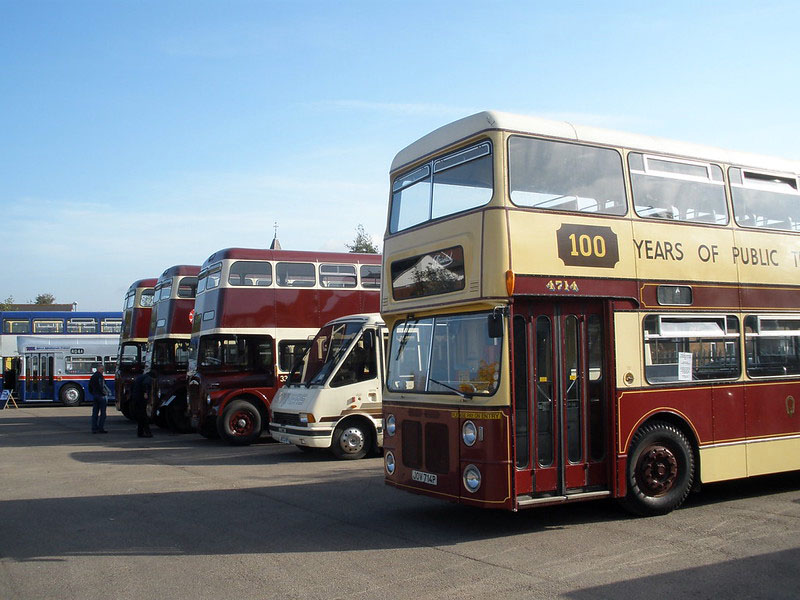
MCW bodied Bristol VRT
The bus was updated a number of times during the 1970s, many of the changes being to the engine compartment to aid maintenance and reduce noise. Many VRTs were built for the National Bus Company. When production ended in 1981, 4,531 had been built. The Leyland Olympian was in many ways an update to the VR.
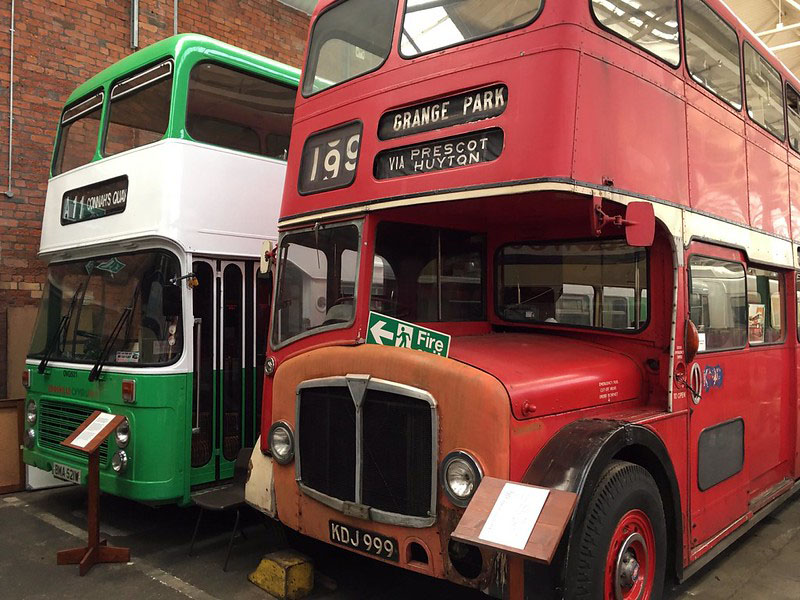
Crossville Cymru VRT (left)
Bristol VRs remained in service for many years. The last examples surviving until the 2000s. A handful of open-topped examples lasting until the end of the decade.
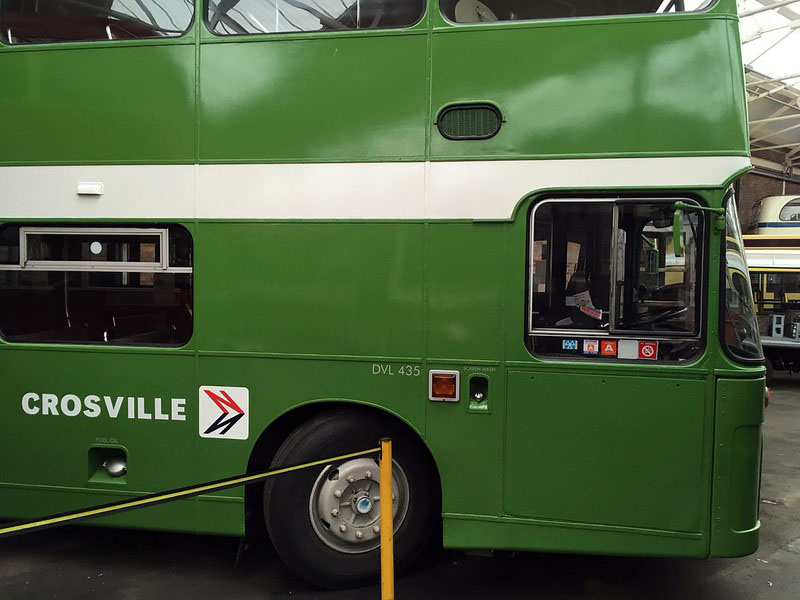
Side view of a Crossville Bristol VRT at the North West Museum of Motor Transport