
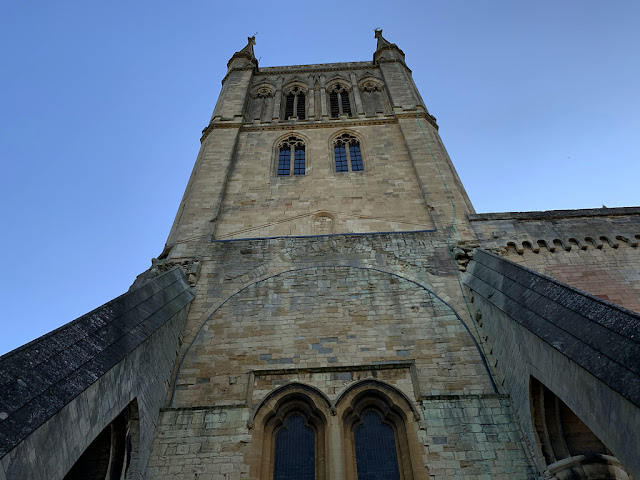
Pershore is a market town which dates from Saxon times and belonged to Pershore Abbey as per a charter dating from the late 7th century. The abbey may have been founded around 689CE by King Oswald. The abbey was partially demolished in the 16th century after the Reformation. The (still impressive but much reduced) remains of the abbey form the parish church of the Holy Cross.
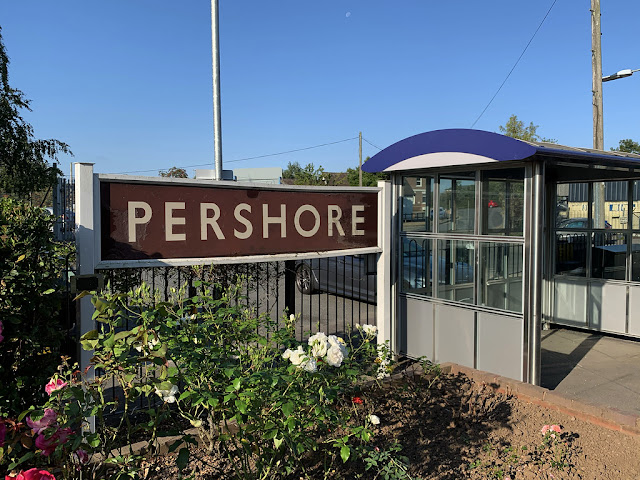
Pershore railway station
Pershore is renowned for it's Georgian architecture. Pershore is known for the growing of plums nearby and celebrates a plum festival.
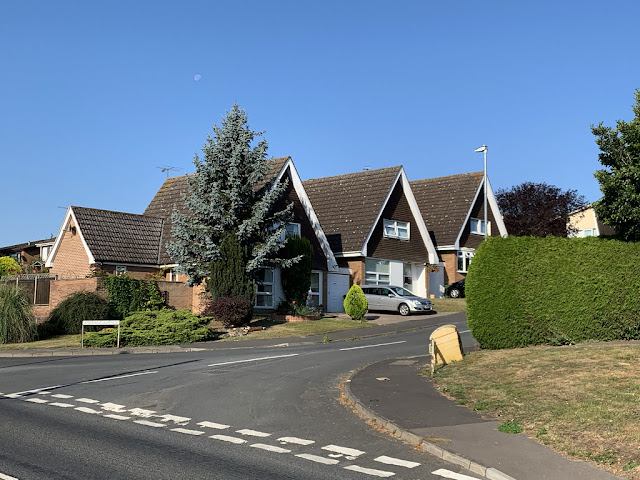
Houses in Pershore
Holy Cross
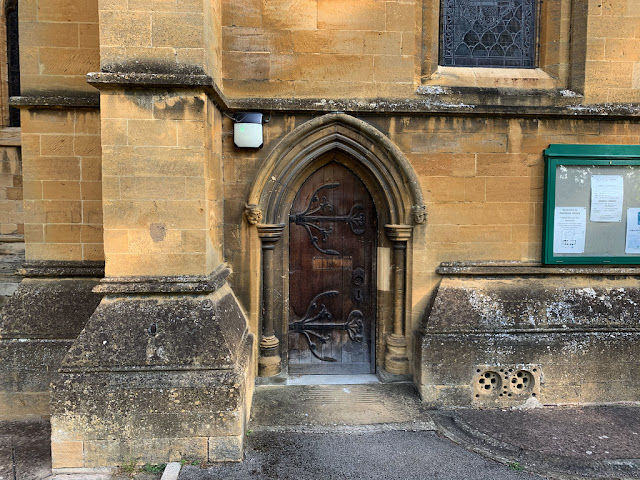
The parish church of the Holy Cross (to give it it's full name) in Pershore, Worcestershire is a former abbey (see below). The abbey may have been founded in the late 7th century under the Mercian kings. The current building however dates from about 1100CE, with the original abbey thought to have been destroyed by fire in 1002. The abbey was dissolved in 1539 and partially demolished the following year.
The remains of the church became a parish church, of the original abbey only the tower, South transept and choir now remain. The North transept collapsed in 1686 and was replaced by a wall. The church was restored in the 1860s.
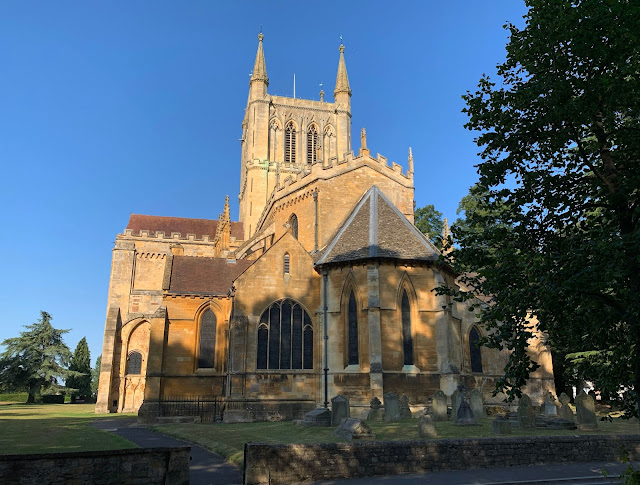
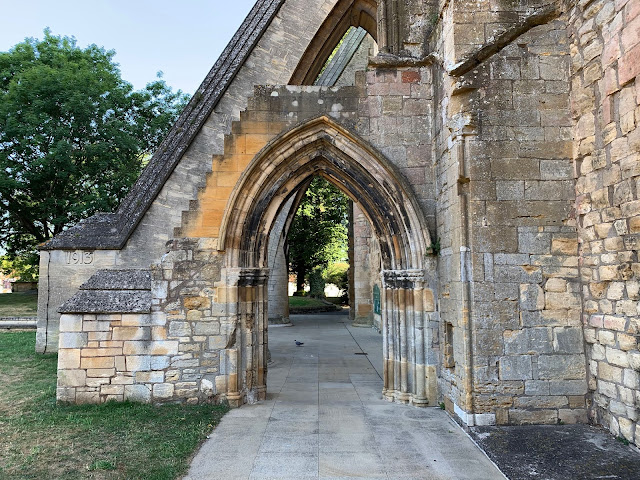
Pershore abbey
Pershore abbey may have been founded in 689 though this cannot be reliably confirmed, a fire that destroyed the monastry's archives in 1002 not helping matters! Pershore was a Saxon religious house with the patronage of the Mercian kings though most details of the abbey's early existence are either lost or cannot be reliably confirmed. In the late 10th century the abbey was reestablished as Benedictine. However, this did not stop it going into a decline with the abbey losing some of it's lands as it fell foul of late Saxon politics. The abbey was destroyed by fire in 1002 (which is when the archives were lost).
The abbey recovered however and by 1020 it was active again. The main abbey building dates from about 1100. The abbey was dissolved in 1539 and the abbey partially demolished. The tower, choir and south transept survived and remains the parish church of the Holy Cross to this day.
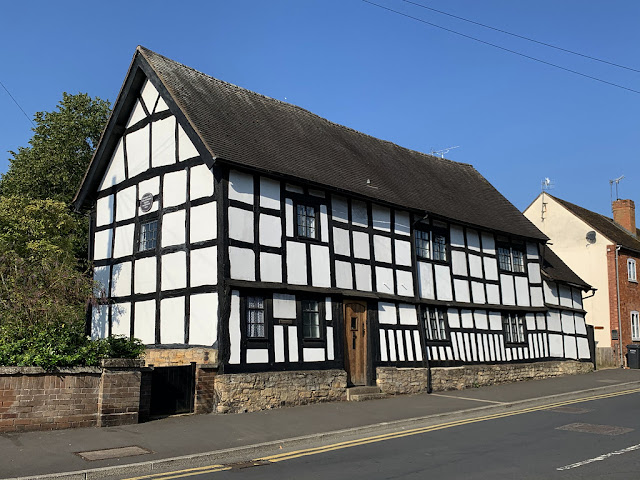
Half timbered house in Pershore
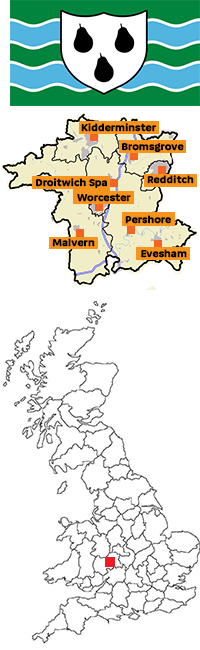
Location