
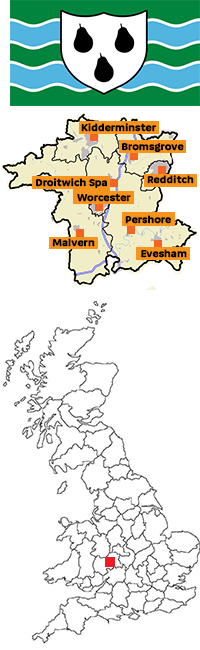
Kidderminster is a market town in the north of the county.
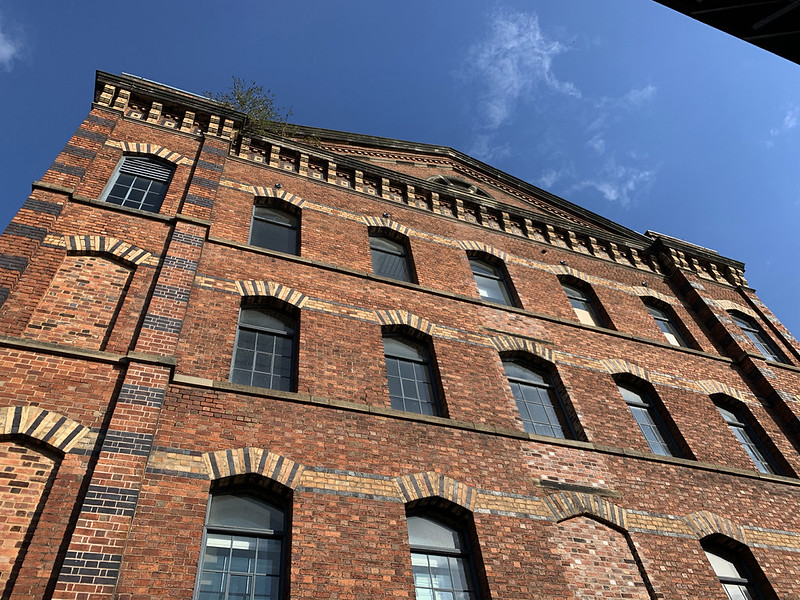
Former mill building in Kidderminster
The area around Kidderminster has been occupied since Saxon times at least. Kidderminster is mentioned in the Domesday Book as Chideminstre or Cydda's Minster. A minster was founded in the late 8th century.
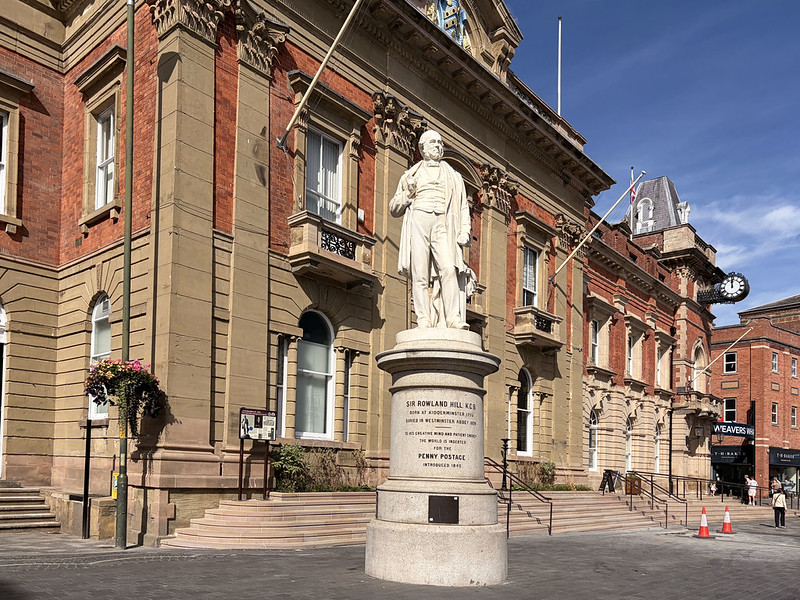
Town hall, a statue of Sir Rowland Hill is outside
Kidderminster was granted a market charter in 1240. The town grew due to the cloth and textile industries plus it's position in a number of important trade routes. The cloth industry grew greatly after the 1670s after Kidderminster was granted a guild. In the 18th century the carpet making industry became one of the largest industries in the town, it still takes place today in Kidderminster though at a much reduced scale.
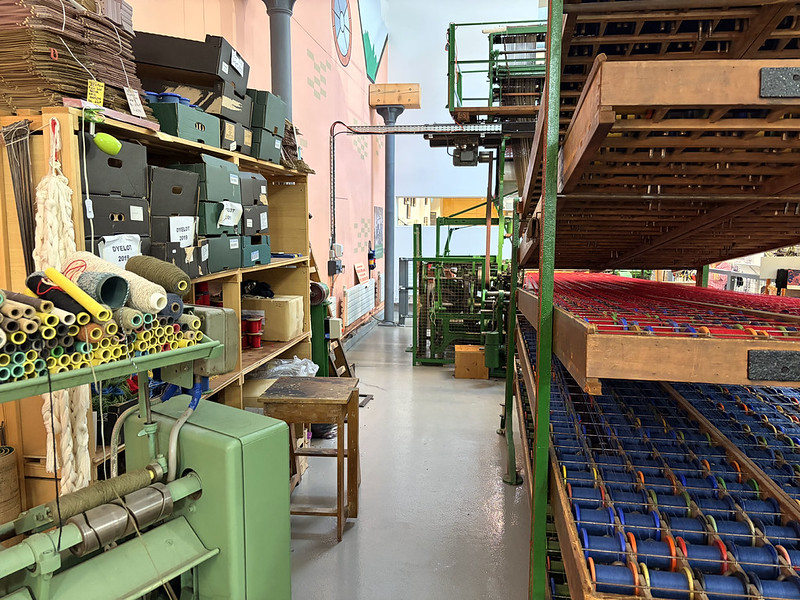
Kidderminster carpet museum
New transport links including the Staffordshire & Worcestershire Canal in 1771 and the railways in 1852 helped the various trades, especially the carpet trade. A type of reversible carpet known as Kidderminster carpet became very fashionable in the 18th and 19th centuries.

Kidderminster Town railway station
The former goods yard of Kidderminster railway station now form part of the Severn Valley Railway's southern terminus Kidderminster Town. A notable son of Kidderminster was Sir Rowland Hill, the inventor of the modern postal system. A statue of him now stands outside the town hall.
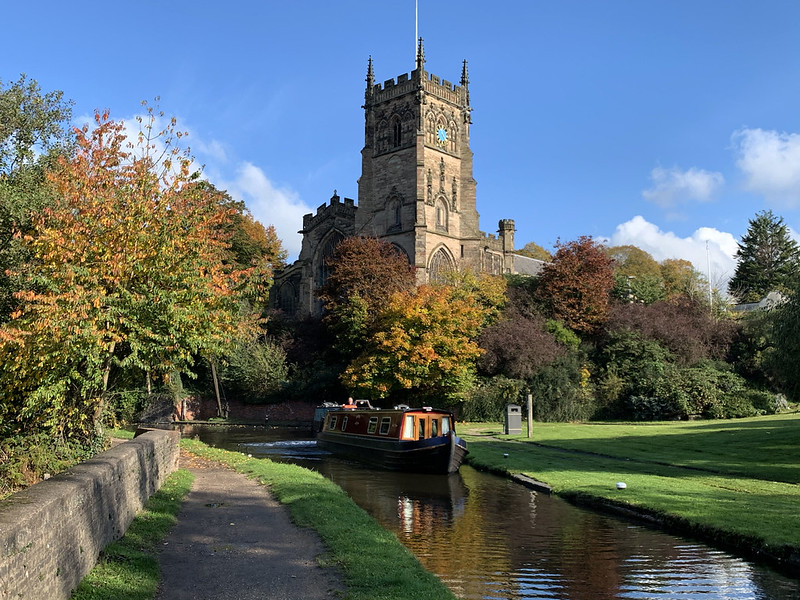
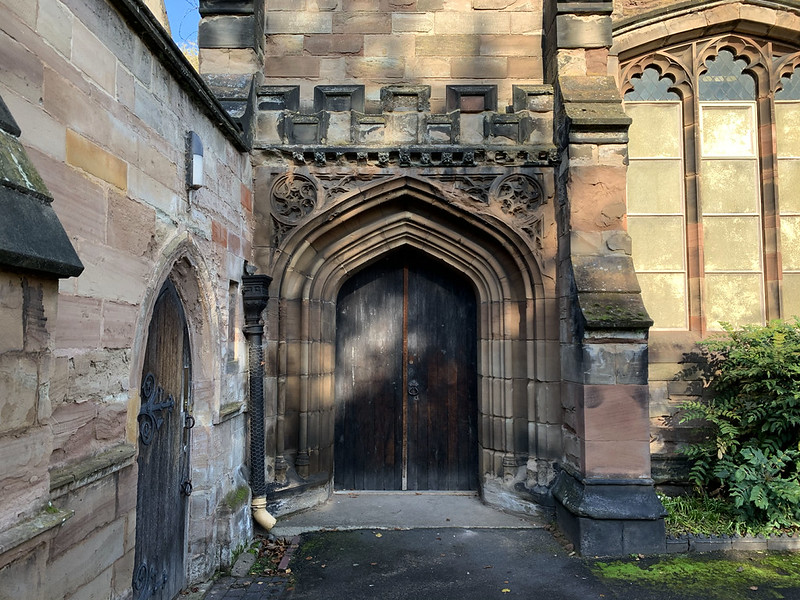
St Mary & All Saints
The parish church of St Mary & All Saints has existed since at least 1315, the consecration date of the chancel though the foundation existed in early Norman times. Most of the current church has existed since the 15th and 16th centuries. The church has a perpendicular tower, which is crenellated, and a nave.
The chantry was rebuilt in the 16th century, the rest of the church was restored in 1895. A South aisle was added in 1847 and an organ chamber in 1874.
Location