
Honeybourne is a village at the south eastern edge of the county.
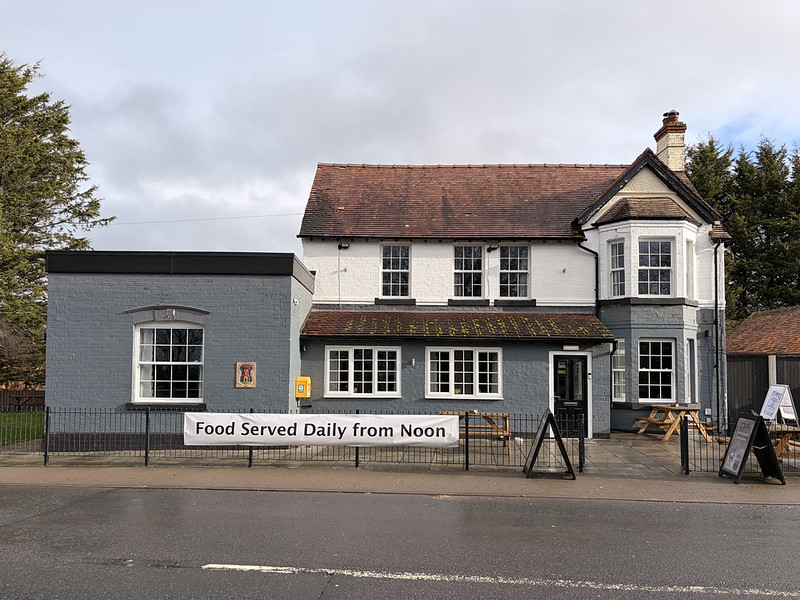
Gate Inn pub
Originally, Honeybourne consisted of two parishes. Church Honeybourne in Worcestershire and Cow Honeybourne in Gloucestershire. In 1931, the county boundary was re-drawn and Cow Honeybourne was moved to Worcestershire and the two parishes merged in 1958. Honeybourne is derived from the Old English hunig burna or honey stream.
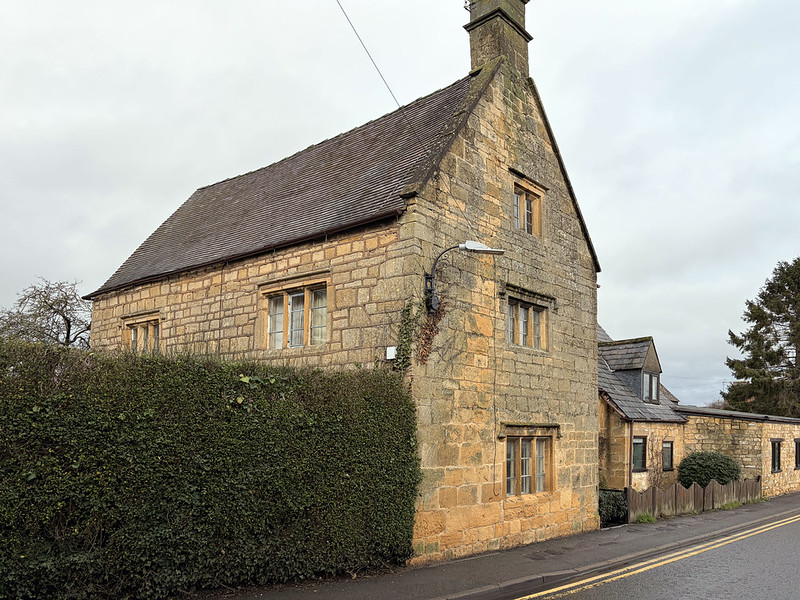
Honeybourne is a typical Cotswolds village
The land around Honeybourne is mostly agricultural even to this day. The parish church of St Ecgwin serves the unified parish, beforehand being the parish church of Church Honeybourne. The former parish church of Cow Honeybourne has now been converted into private homes though retains it's 15th century tower.
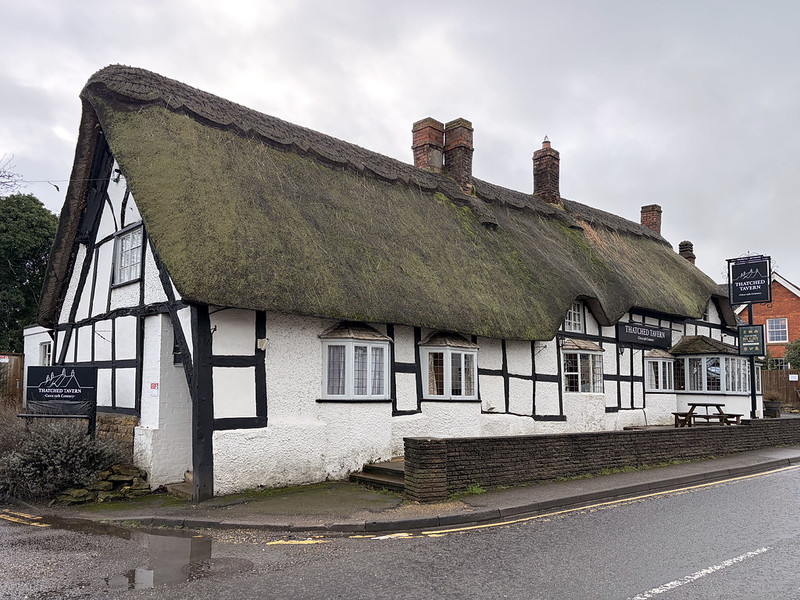
Thatched Tavern
Pre-dating the church is the Thatched Tavern, parts of the pub date from the 13th century. Honeybourne is served by a railway station on the Cotswold Line which was opened in 1853. It was closed in 1969 but re-opened in 1981.
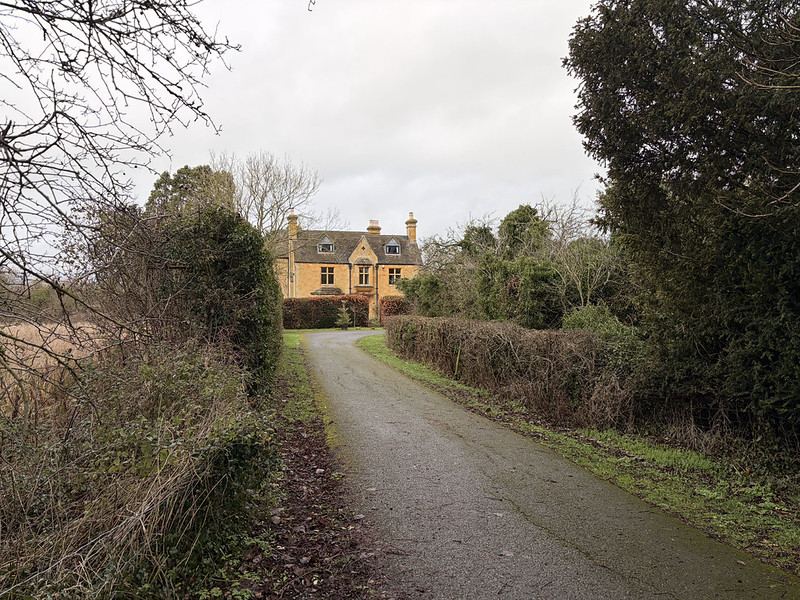
House near the church
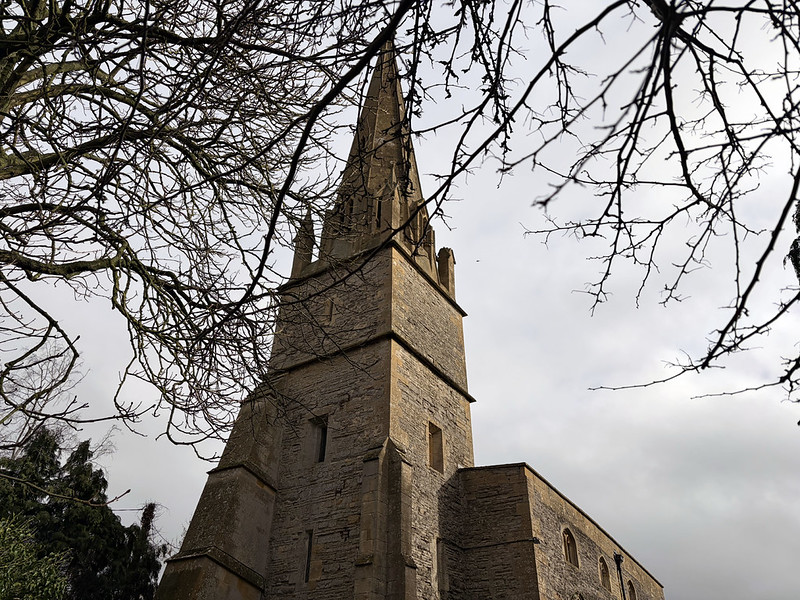
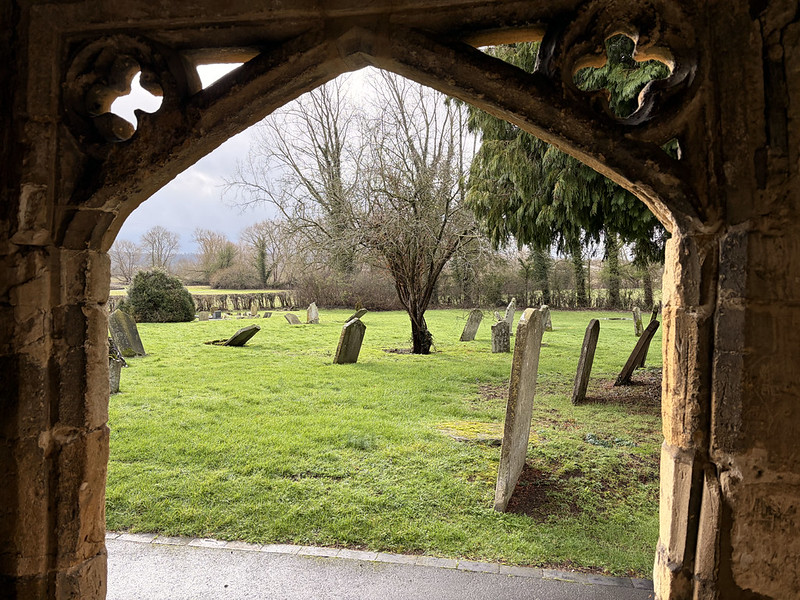
St. Ecgwin
The church of St Ecgwin (an 8th century monk and Bishop of Worcester) in Honeybourne was consecreted in 1295CE. The nave and chancel are probably from the original church but the South aisle is thought to have been demolished and the nave is now without aisles. The west tower and it's spire are a 14th century addition, the south porch added in the 15th century.
The church is made from lias rubble with an ashlar lining. The church was restored in the 19th century.
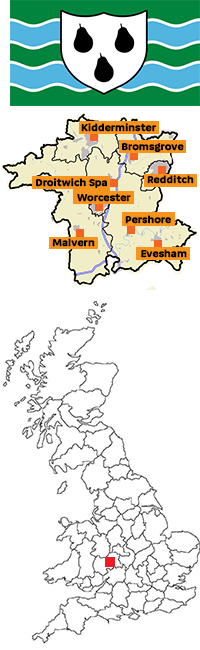
Location