
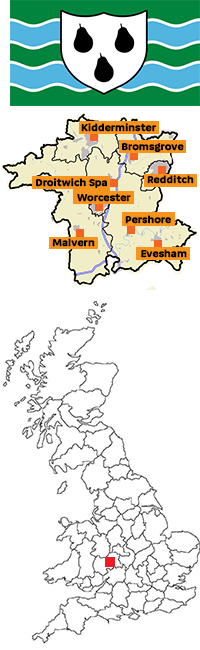
Hagley is a village at the northern border between the county and the West Midlands.
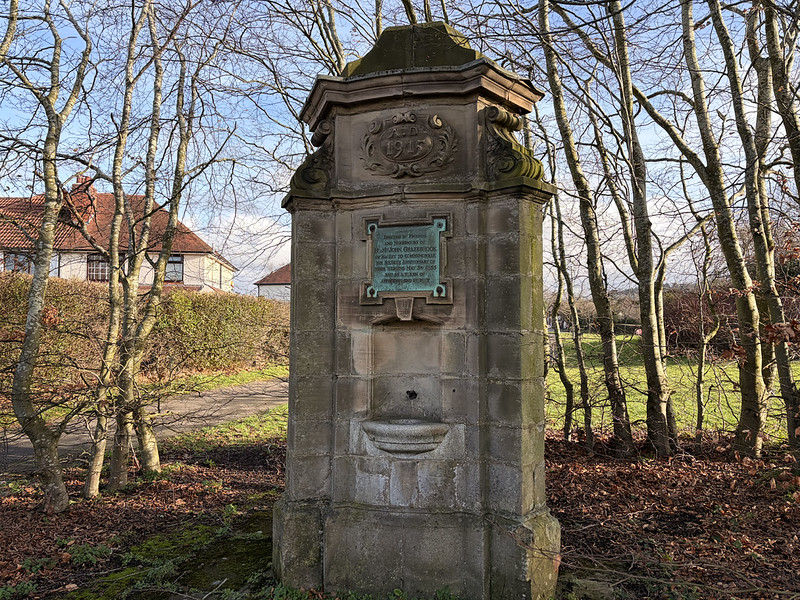
Water fountain
There has been habitation in the area since at least the Bronze Age, with remains from then and the Iron Age being found in the area. A Roman salt road also passed through Hagley. Hagley was mentioned in the Domesday Book as Hageleia, the name may come from the Old English for haw wood clearing.
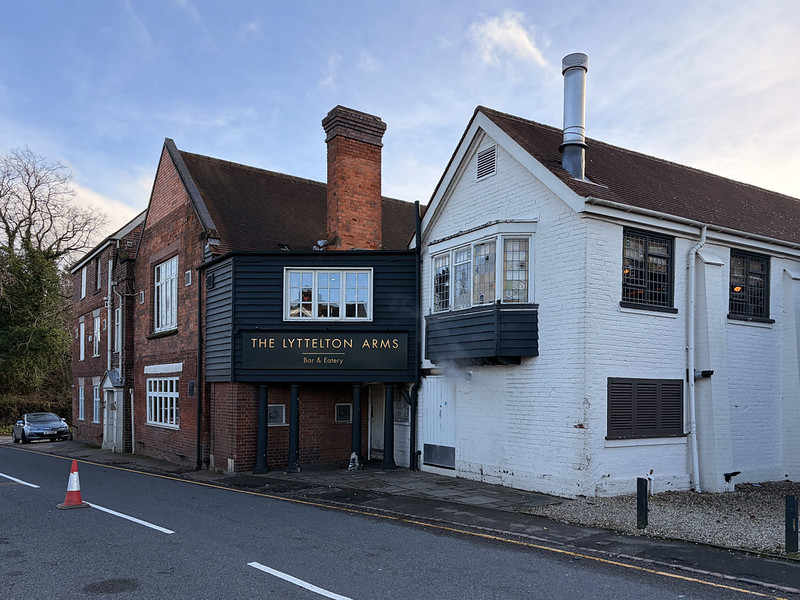
Lyttelton Arms pub
Hagley had a cattle market, taking advantage of it's location on the roads to Stourbridge and Birmingham. A number of streams ran through the village which supported a number of mills.
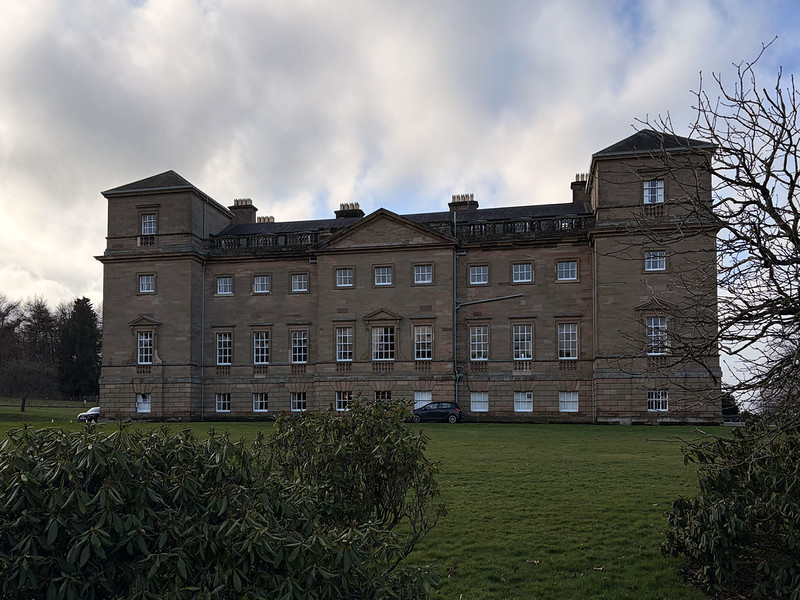
Hagley hall
Since the late 16th century Hagley has been associated with the Lyttelton family, one of whom was later involved in the Gunpowder Plot and executed. Since the 18th century, Hagley Hall has been the home of the Lyttelton family, being built by George the 1st Lord Lyttelton. This continues to be the home of the family the present day although nowdays the park around the hall is open to the public and parts of the house can be hired out.
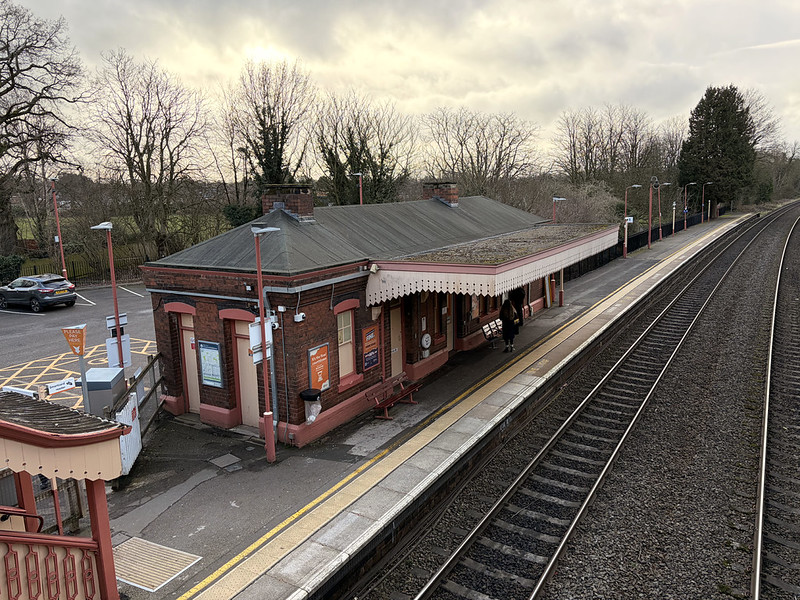
Hagley railway station
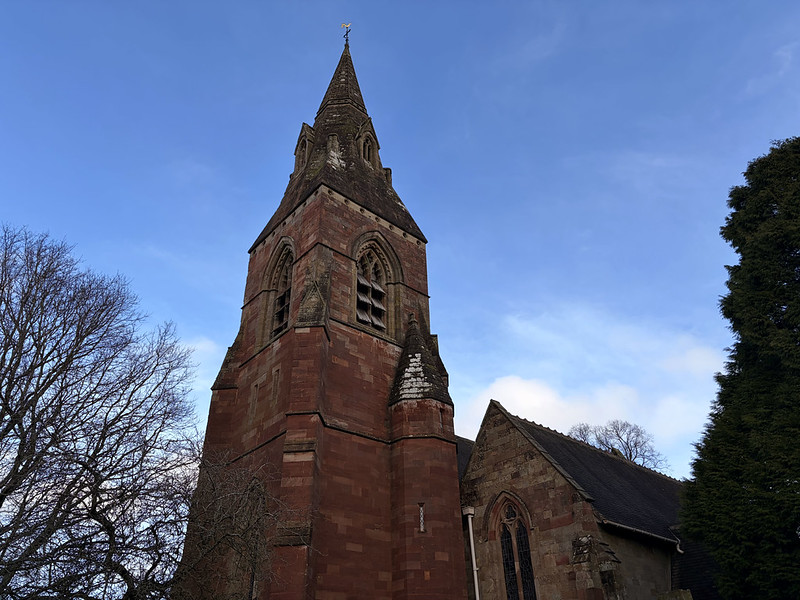
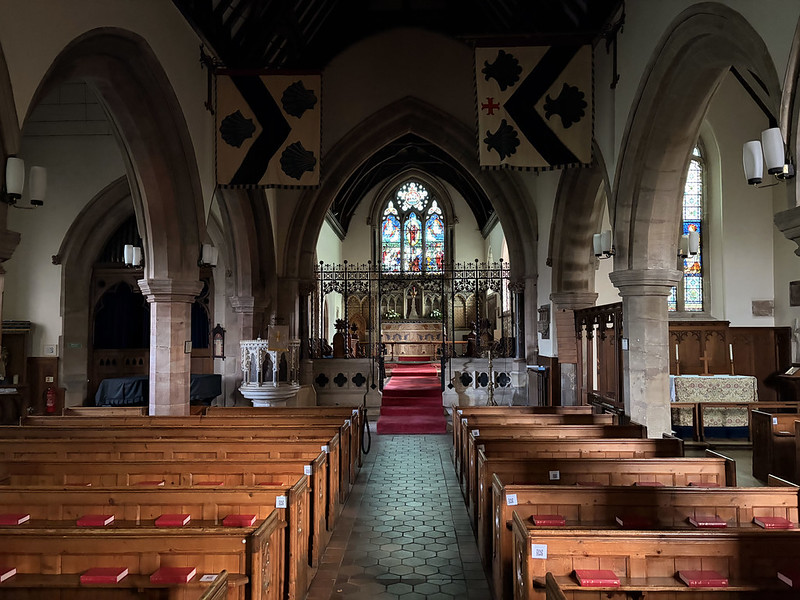
Saint John the Baptist
The original Saxon wooden church was replaced by a stone church in the 13th century by the De Hagley family. The church was rebuilt in the 1750s and again a century later, though retains elements from the older building.
The church has a west tower, a four bay nave with aisles, a three bay chancel and a north vestry. The church is made from sandstone ashlar.
Location