
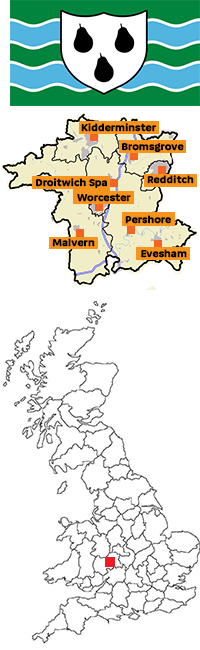
Alvechurch is a village in the north east of the county, near to Redditch and Bromsgrove.
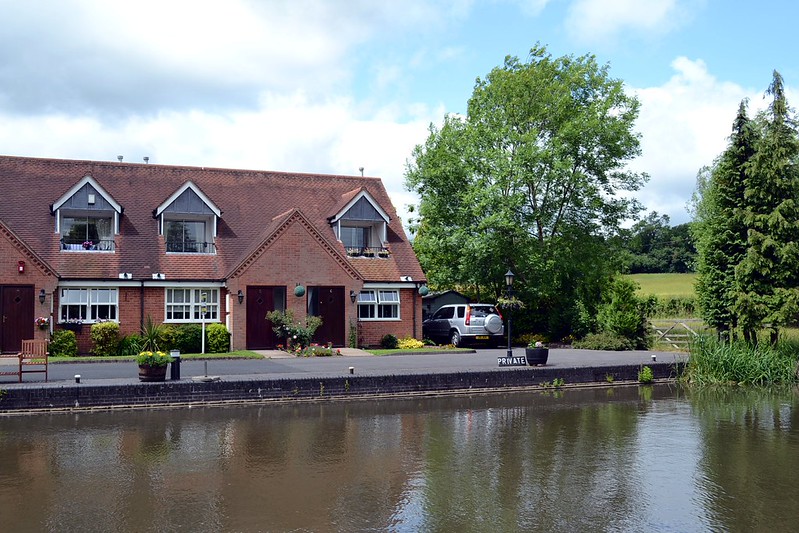
Canal side properties
Alvechurch has Saxon origins, it takes it's name from Ælfgyth who founded a church on the site of the current day St Laurence's church in the eighth century. By the time of the Domesday Book, Alvievecherche was a small village of twenty people. The parish was owned by the Bishops of Worcester (having been granted the land by King Offa in 780). A weekly fair and market was set up in the 13th century. The Bishop of Worcester also built a palace in the 13th century and held court in Alvechurch. The palace survived until the 17th century.
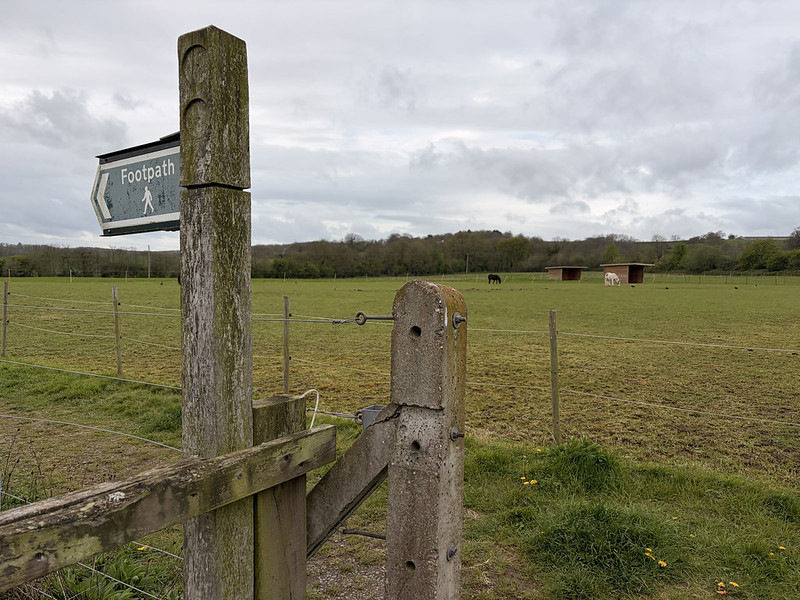
Footpath and a field of horses
The land around the village is agricultural, though there was a brick factory in Alvechurch from the 19th to mid-20th centuries. The Worcester & Birmingham Canal goes through the edge of the village, next to the railway station which opened in 1859.
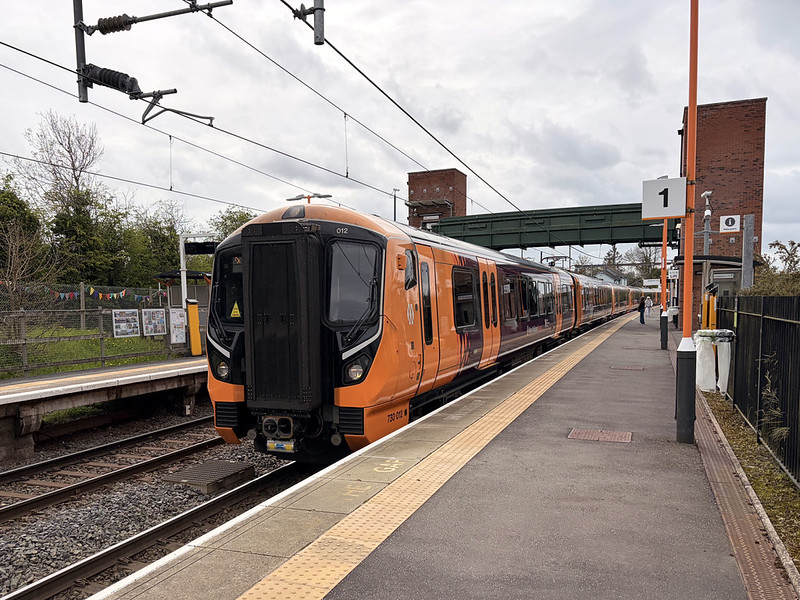
Alvechurch railway station
A more recent (and noisier) transport link is the M42 motorway which passes the northern side of the village.
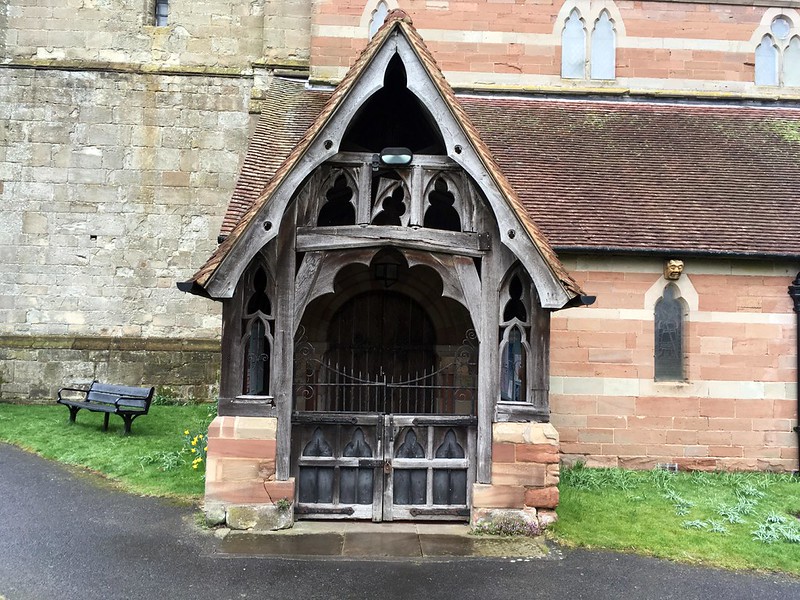
St Laurence
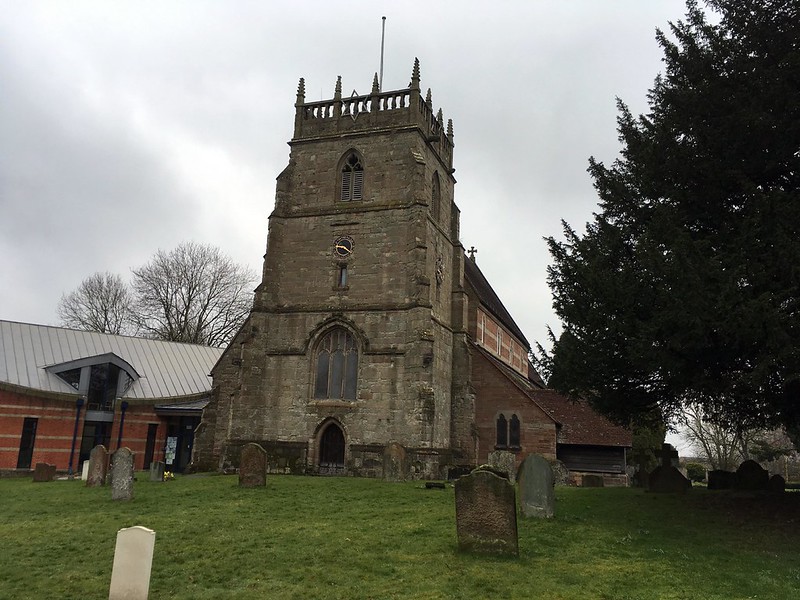
A church has been on the site since Saxon times and a priest is mentioned in the Domesday Book. The earliest parts of the church however date from the thirteenth century, a dedication to St Laurence dates from 1239. Parts of the chancel and north aisle may be original parts of the church.
Other parts of the church including the tower date may from the fifteenth century, it was repaired following storm damage in 1676. The church was restored and rebuilt between 1858-60.
Scarfields Dingle Aqueduct
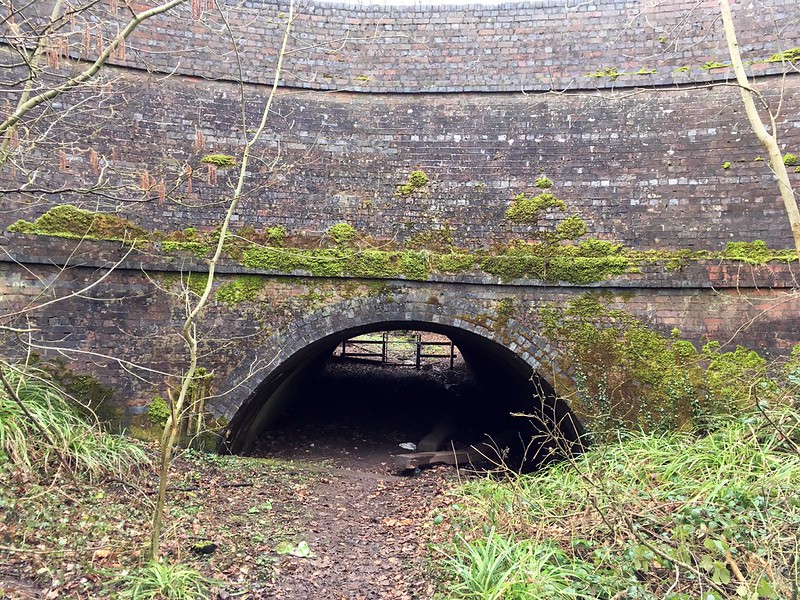
Scarfields Dingle Aqueduct is near Alvechurch. The aqueduct has no apparent road or stream which it allows under the canal these days, there is a rather low walkway and that is it.
The aqueduct was built for a once well-used track between Alvechurch and Droitwich. The track was built for the salt trade and existed from before the Domesday Book, which lists Alvechurch having a number of salt houses supplied by salt from the saline springs at Droitwich. The track was known as Cobley Lane (the aqueduct is sometimes known as Cobley Lane Aqueduct).
Location