
Minworth is close to the border of Warwickshire and is close to the village of Curdworth.
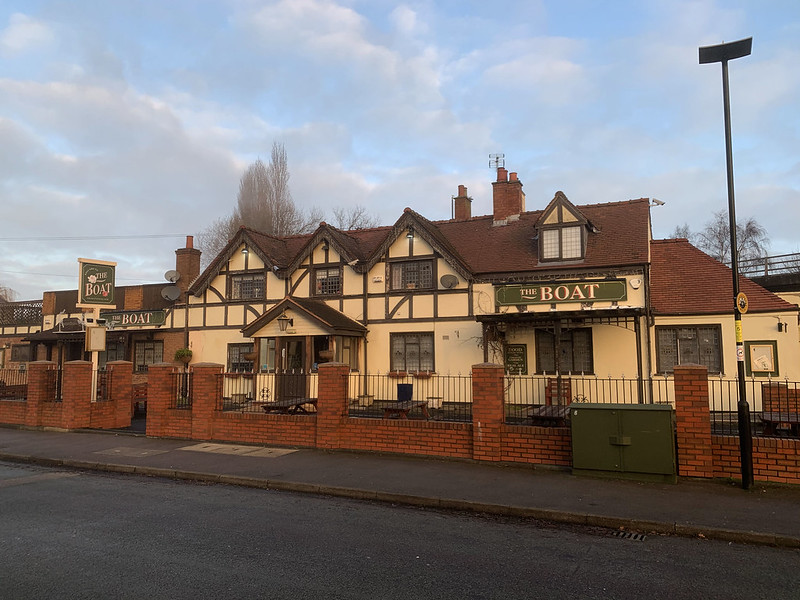
The Boat public house
The former village is now part of Birmingham though has Saxon origins. The name Minworth is thought to have come from Mynna's Farmstead which was established in the 6th or 7th centuries. In the Domesday Book the village was known as Meneworde. A mill ground corn on the river Tame in Minworth until 1872.
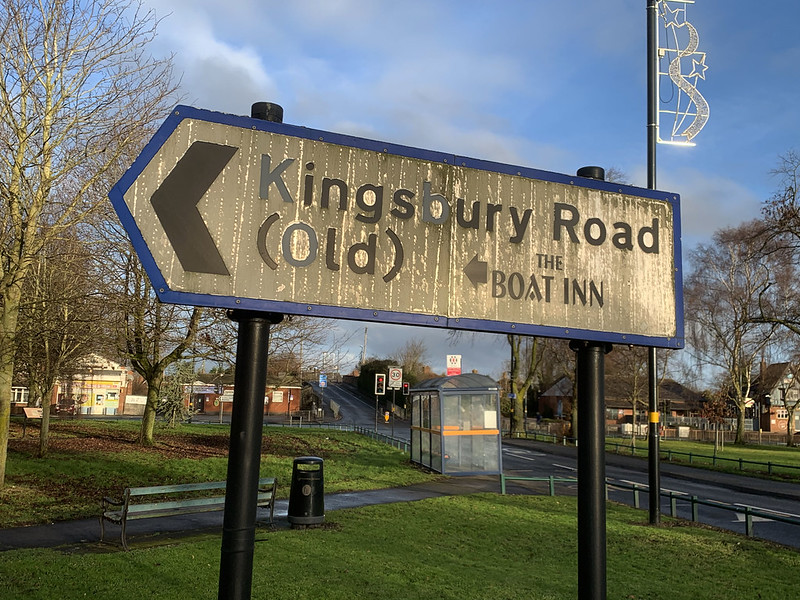
Sign to the old (now dead end) Kingsbury Road
Minworth was a hamlet of Curdworth until becoming a parish of Castle Bromwich in 1894. In 1931 Minworth became part of Birmingham and Sutton Coldfield. Sewage works for Birmingham were built in Minworth, this remains Severn Trent's largest water treatment works. Next to the works, the Birmingham & Fazeley Canal flows through Minworth.
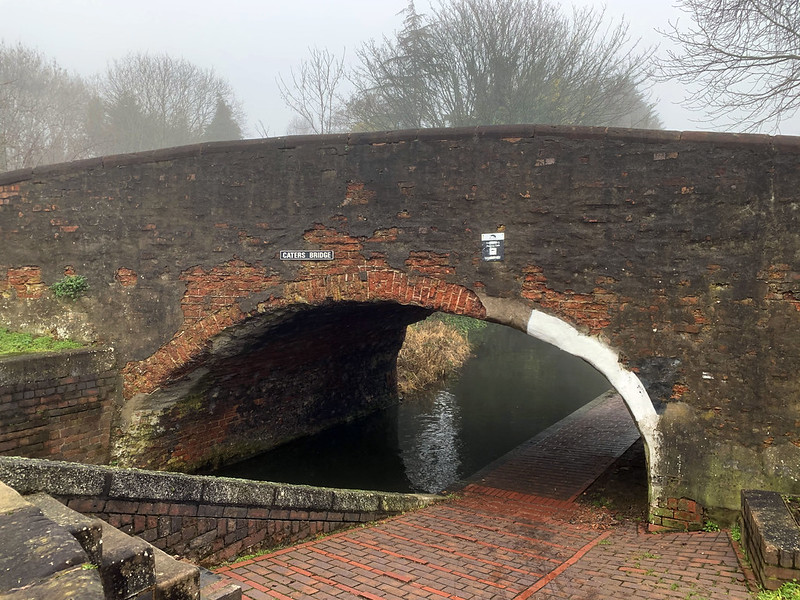
Caters Bridge on the canal
Meriden became a distribution point for the cattle driving trade in the 16th century. The village growing due to it's location on the Chester road. A number of inns were built to cater for the passing trade. The road bypassed the village in 1810 when Thomas Telford renovated the route.
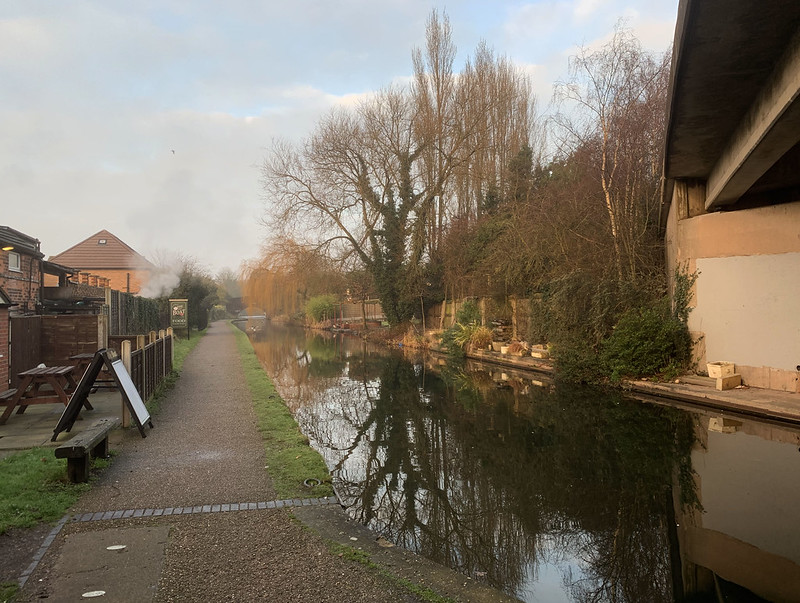
Canal side view
St George the Martyr
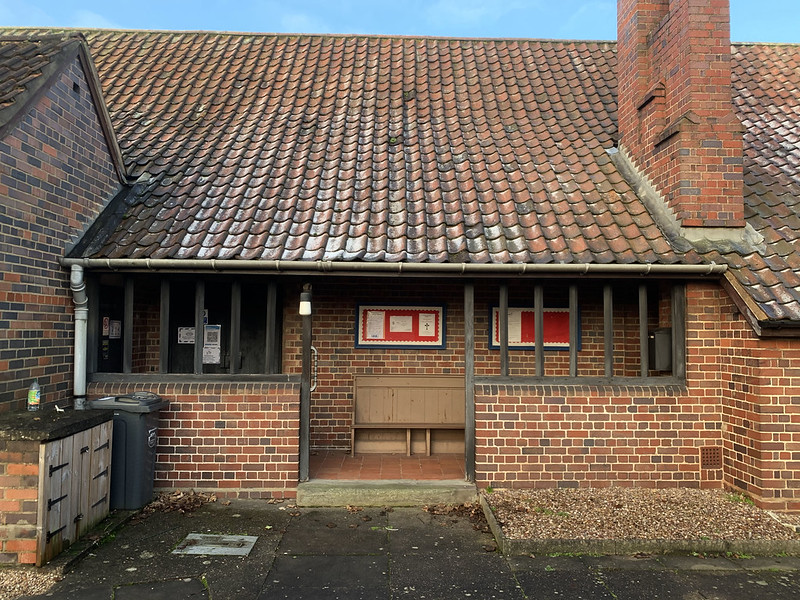
The parish church of St George the Martyr in Minworth, on the Birmingham - Warwickshire border near Curdworth, was built in the early 20th century and dedicated in 1909. The church has a simple layout in the Early English style and is made from brick. The church is not aligned east-west unlike most churches. The "east" side of the church almost points north.
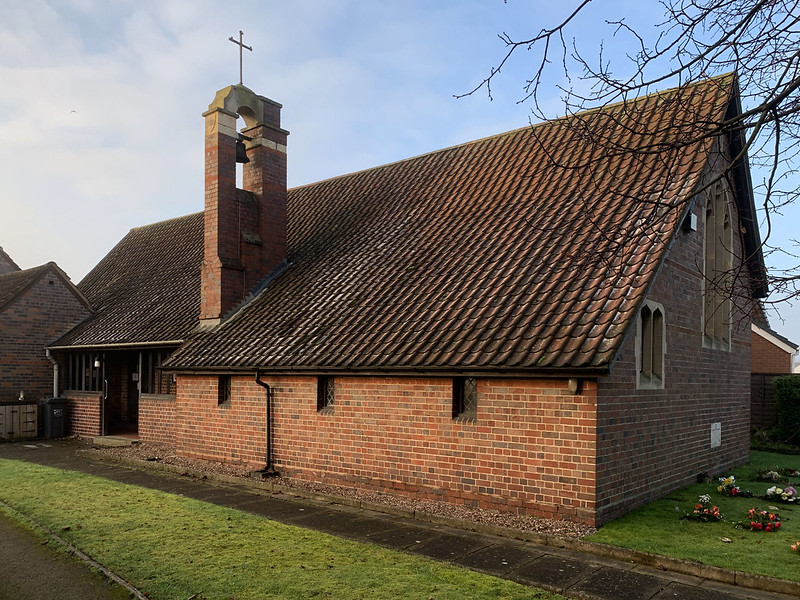
A bellcote with a single bell was added to the church having originally come from a church in nearby Water Orton.
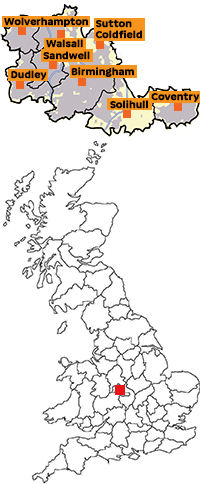
Location