
The market town of Newtown (or Y Drenewydd if you prefer, which also means Newtown) is the largest settlement in Powys in the east of Wales close to the border.
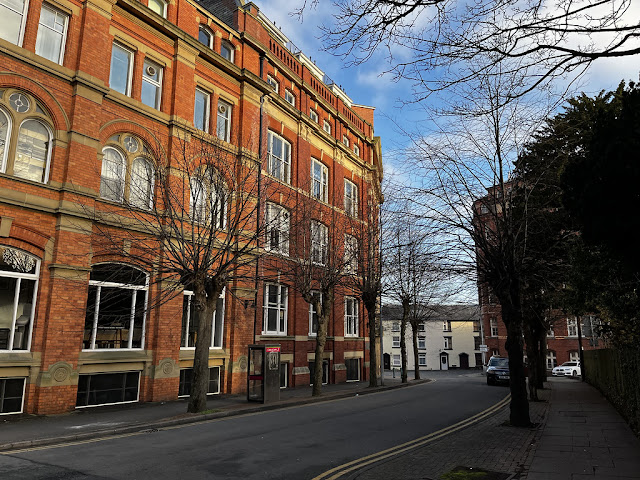
Newtown
Newtown's roots are in a 13th century hamlet built at a ford on the river Severn by Roger de Montgomerie. Newtown grew slowly until the advent of the textile industry in the town in the 18th century which caused a rapid growth in prosperity and population. The town had the largest woollen mills in Wales (the steam driven Cambrian Mills) but by the late 19th century was losing out to the North of England and the textile industry declined, especially after two damaging fires at the Cambrian Mills in the 1910s.
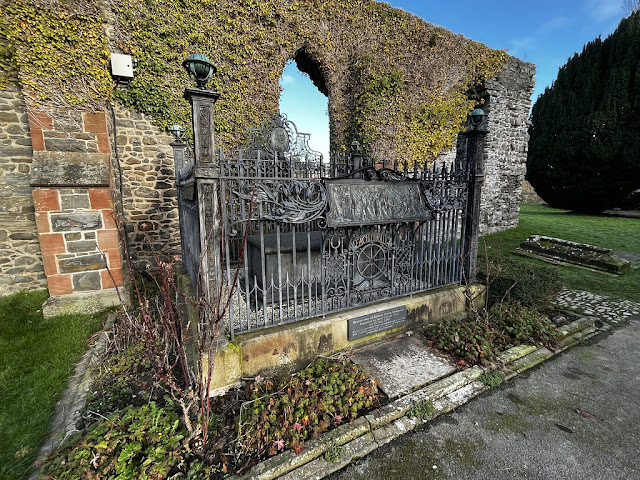
Robert Owen's tomb
One of the textile mill owners of Newtown was Robert Owen. He was a philanthropist and social reformer and the creator of the co-operative movement. His tomb lies at the now ruined church of St Mary. Another notable business owner was Pryce Pryce-Jones who created the first mail order business in the world in Newtown.
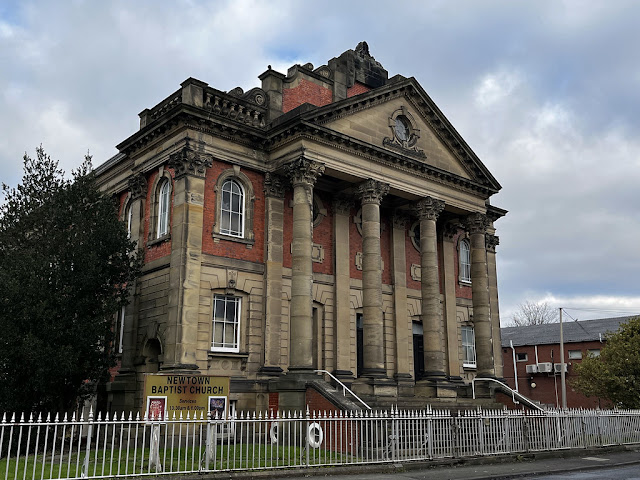
A town of many churches, though not all of them open. This is Newtown Baptist Church
Newtown is served by Newtown railway station on the Shrewsbury to Aberystwyth line. The Montgomery Canal used to terminate at Newtown (and was a big driver in the rise of the textile industry) however, the canal in Newtown has been closed and the land built upon.
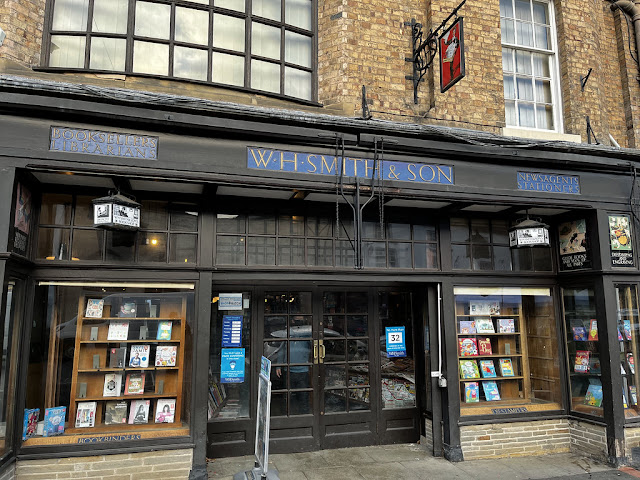
Vintage style WH Smiths! A museum is above the shop.
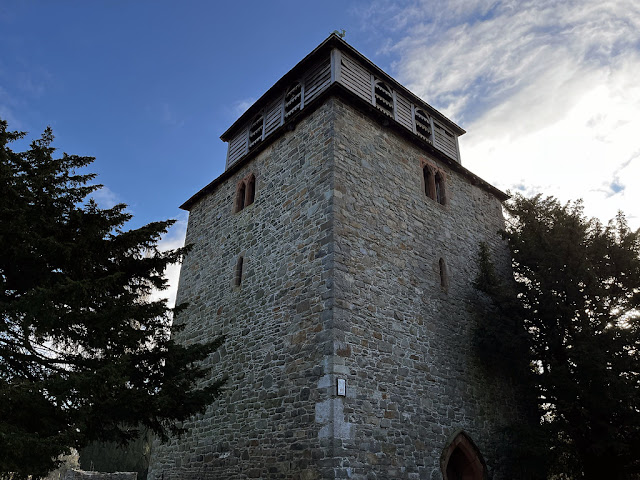
The former church of St Mary, location of Robert Owen's tomb
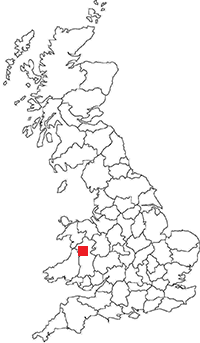
Location