
Wilmcote is a village a few kilometres to the north of Stratford-upon-Avon.
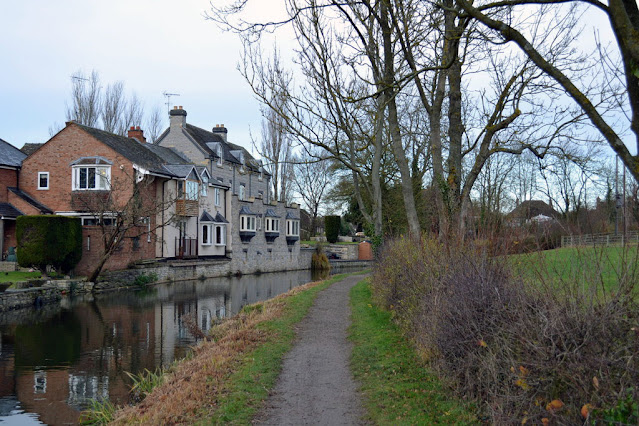
Canal side in Wilmcote
The village is best known for being the birthplace of Mary Arden, Shakespeare's mother and the location of her farm. Wilmcote was listed in the Domesday Book as Wilmecote and was later a hamlet of the nearby Aston Cantlow.
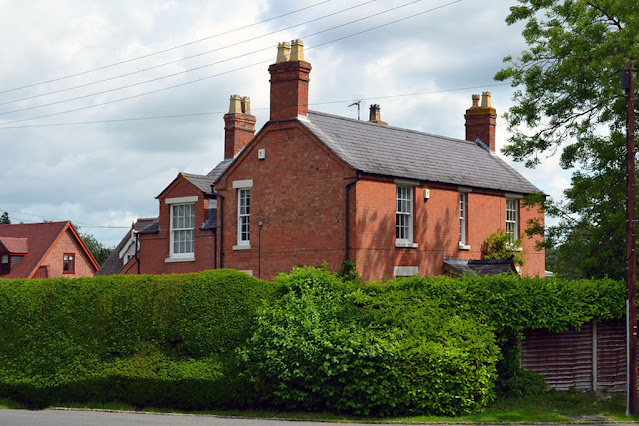
Houses in Wilmcote
Wilmcote remained a small agricultural settlement until the eighteenth century when limestone quarries resulted in the then-new Stratford-upon-Avon Canal being routed through Wilmcote. The village gained a railway station in 1860. The quarries are no longer in use and nowadays the village is mostly residential though it also attracts tourists who come to see Mary Arden's Farm which is maintained as a working Tudor style farm.
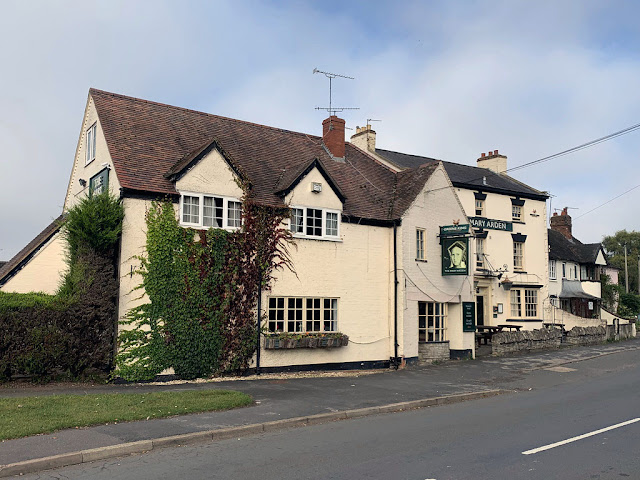
Mary Arden pub
An interesting find in the Wilmcote stone quarry was a fossil of a young Ichthyosaur. This is now on display in the Warwick Market Hall Museum.
Wilmcote is very important to the regeneration of the British canal network after the decline of the canals as a commercial traffic network, and into a now thriving leisure attraction. In 1957 the road bridge over the canal in Wilmcote needed to be replaced. To save money the authorities wanted to abandon the derelict canal saying it was no longer needed. However, this threat was averted and a new bridge was built. In the 1960s the canal was restored to navigability, the first of many to be revived.
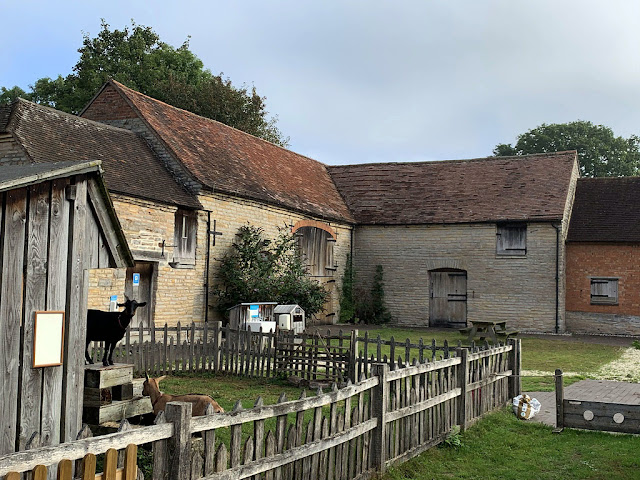
Mary Arden Farm
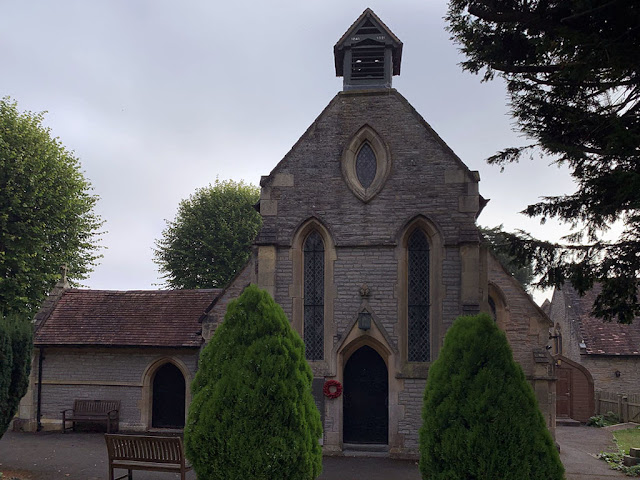
St Andrew
The parish church of St Andrew in Wilmcote, Warwickshire was built between 1840-42. Until 2004 it was part of the parish of Aston Cantlow though it is now a separate parish. No church existed in Wilmcote when St Andrew was built though a chapel is known to have existed in the 13th century at least. The church was built by the Anglo-Catholic Oxford Movement.
The church is in the Early English style with an aisled 4 bay nave and and a 2-bay chancel with a north vestry. The church is built from regular coursed lias with limestone ashlar dressings.
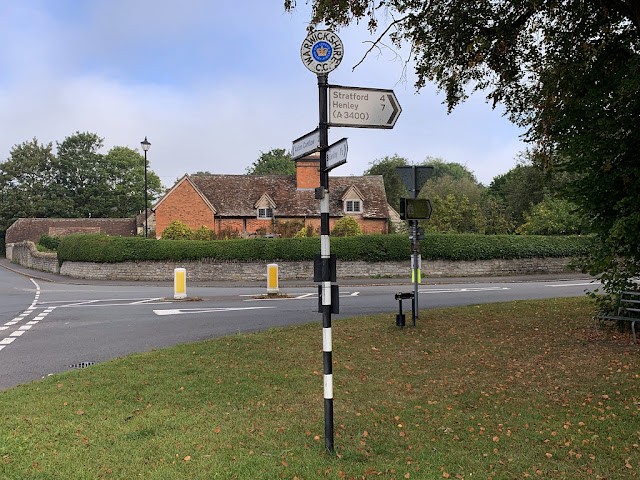
Signpost
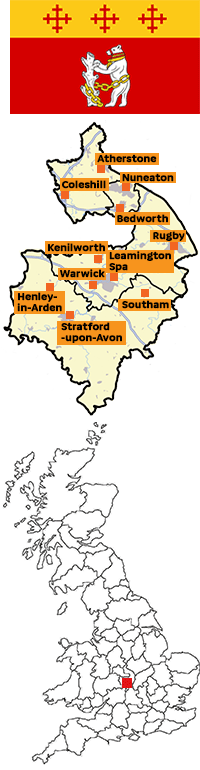
Location