
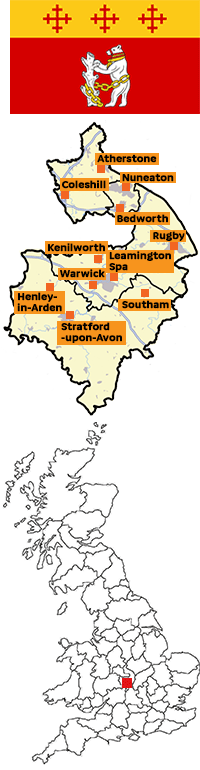
Polesworth is a large village in the north of Warwickshire near the border with Staffordshire (and not that far from Tamworth).
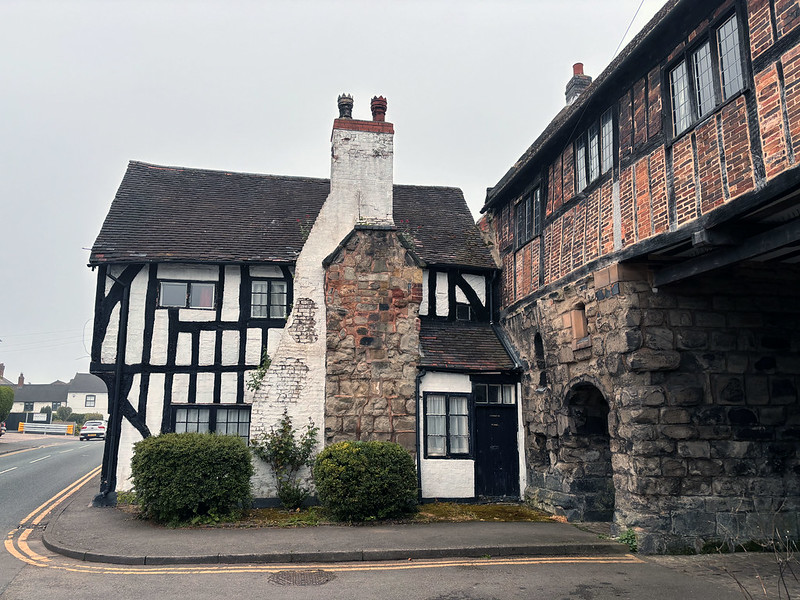
Abbey gatehouse
Polesworth dates from Saxon times with Polesworth Abbey, a Benedictine nunnery, established in 827CE by St Modwena and King Edbert of Wessex. The first abbess was the King's daughter Edgytha who later became St Editha. The abbey survived the Norman invasion though not the dissolution of the monastries a few centuries later. The abbey itself was plundered for stone though some remains can still be seen. The gatehouse which dates from the 14th century and some restored ruins of the cloister are what remains of the abbey. The abbey was dismantled by Francis Goodere who had been granted the land by King Henry VIII in 1544. Stone from the abbey was used to construct the now demolished Polesworth Hall. The abbey's church survives as the parish church of St Editha.
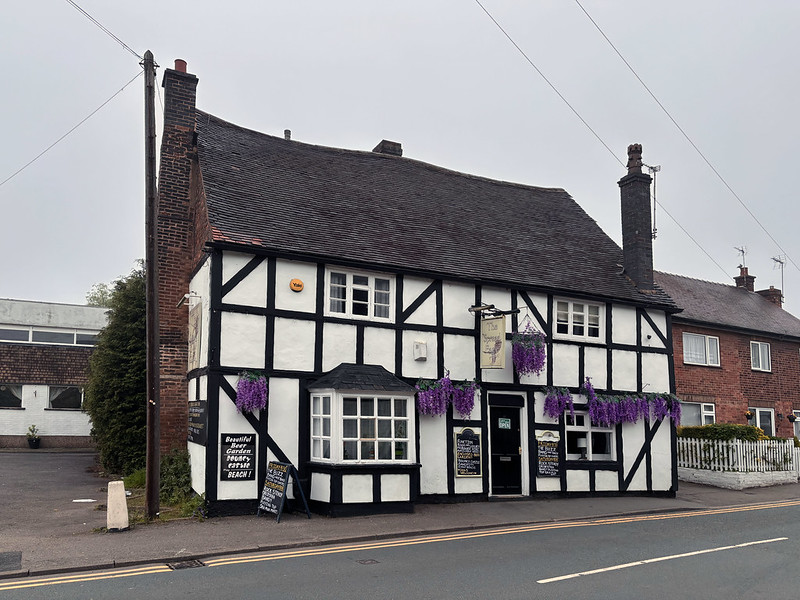
The Spread Eagle pub
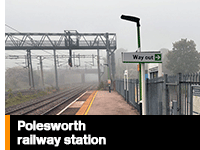
The Coventry Canal reached Polesworth in 1770 and this helped build coal mining and clay production indstry in the area. Coal mining survived in Polesworth into the twentieth century though nowadays the village is mostly a commuter town (though Polesworth station has a very poor train service).
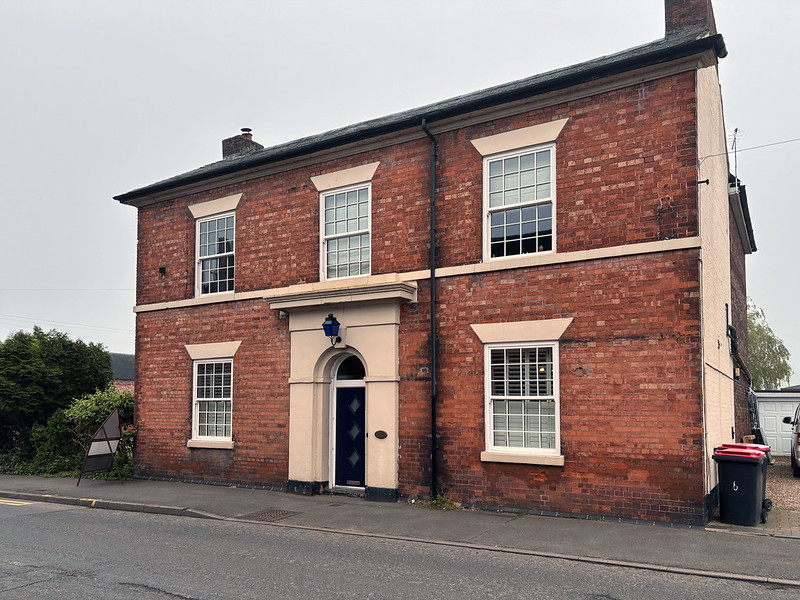
Former police station now a private house
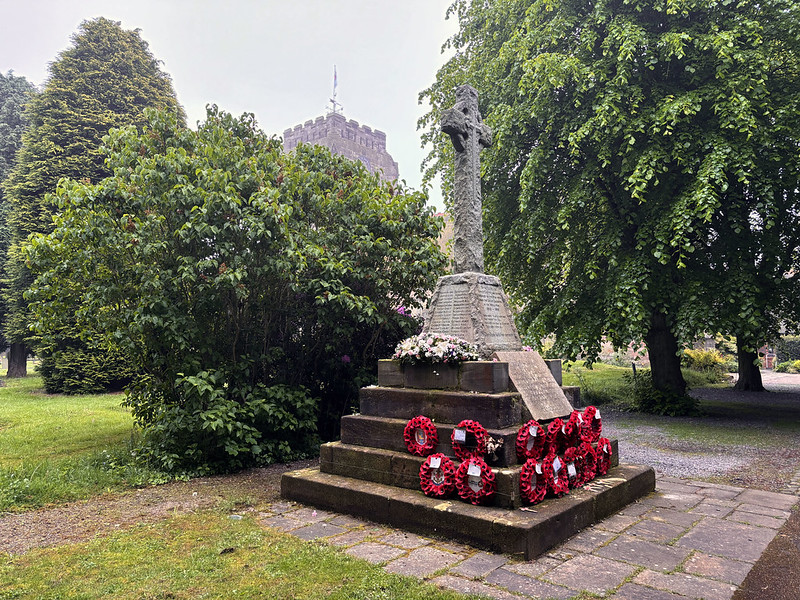
War memorial
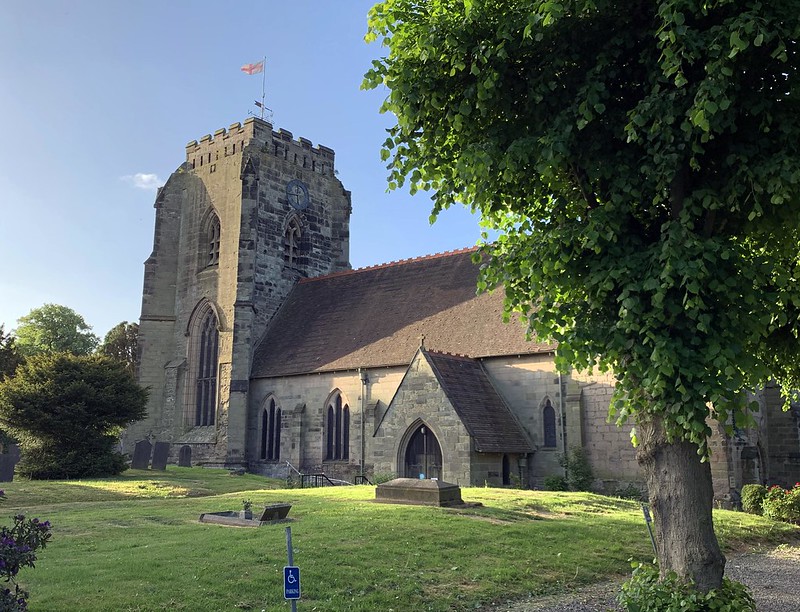
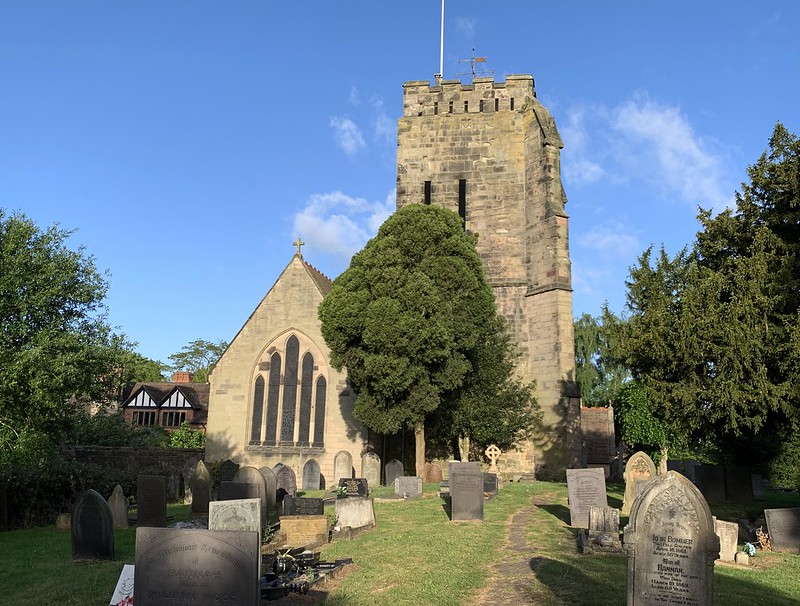
St Editha
The parish church of St Editha in Polesworth was formerly Polesworth Abbey, a Benedictine nunnery founded in the 9th century.
The nave and North aisle are 12th century with the large tower being added in the 14th century. The top of the tower dates from restoration work in the 17th and 18th centuries. A chancel and a north porch were added during a restoration in 1869. The church is made from sandstone ashlar.
Location