
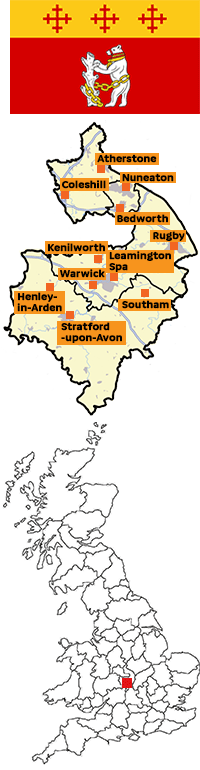
Maxstoke is a hamlet in North Warwickshire near to Coleshill, although being mostly rural Maxstoke has a number of historic buildings and places of interest. Maxstoke is home to Maxstoke Castle which was built in 1345CE by Sir William de Clinton. The castle is in a good state of preservation and is privately owned. Of a similar age is Maxstoke Priory, also established by Sir William de Clinton and was a full Augustinian priory. It was dissolved in 1556CE. Now only ruins remain of the priory though the gatehouse is reasonably intact.
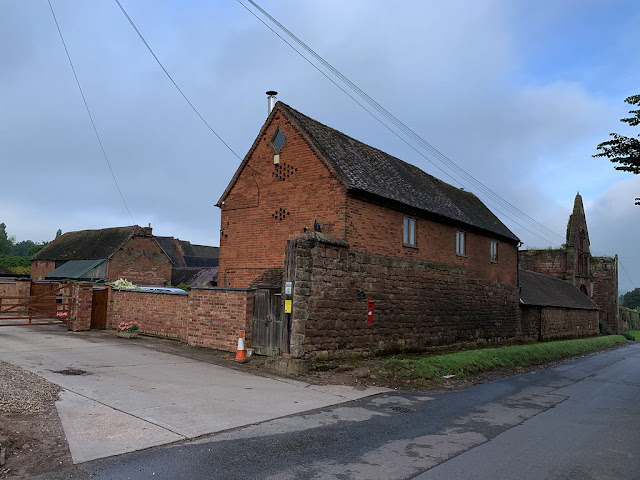
Maxstoke
Next to the priory is the parish church of St Michael, it was built around the same time as the priory and may have been it's chapel ante portas. Between Maxstoke and Coleshill was the latter's first railway station which was built in 1839. The station was closed for passenger traffic in 1917 though remained open for freight (not that there was much of it) until 1923 and was renamed Maxstoke station. Remains of the platform can still be seen from a passing road.
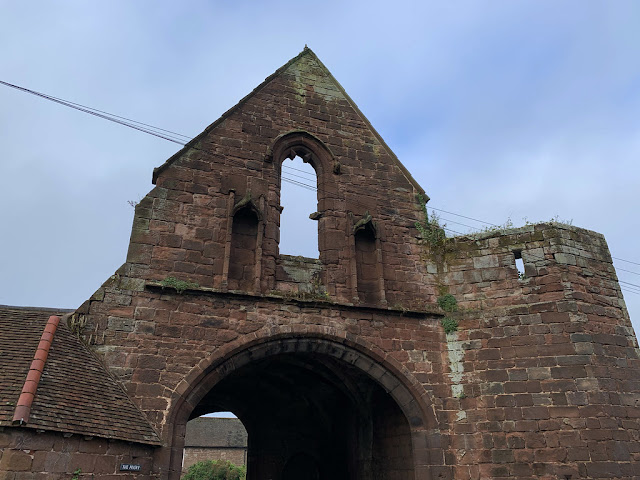
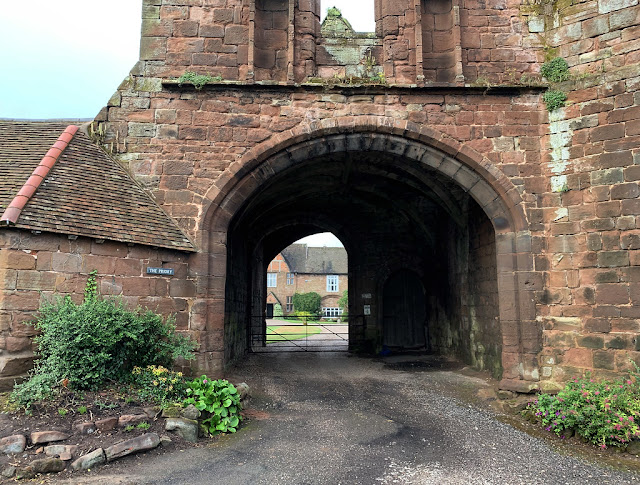
Former priory gatehouse
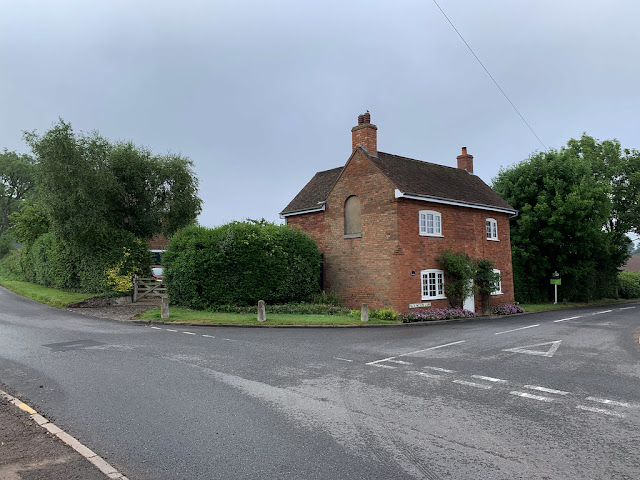
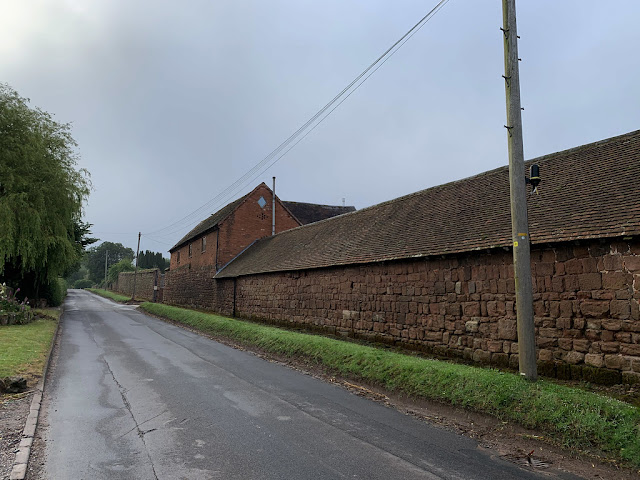
House in Maxstoke
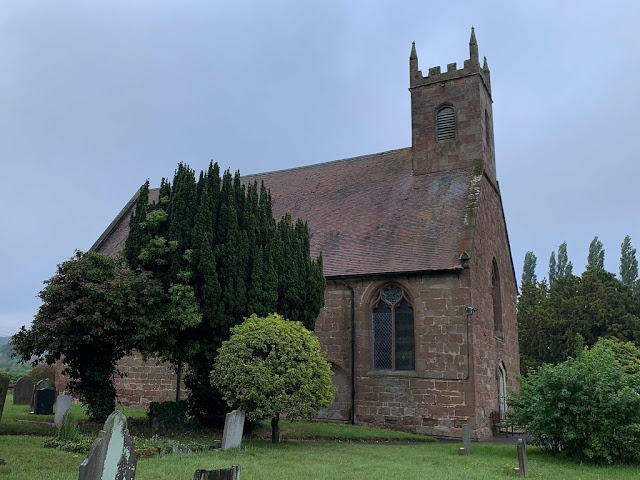
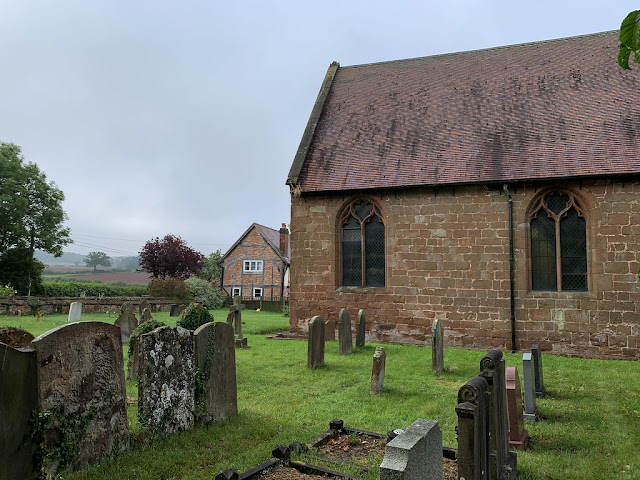
St Michael
The parish church of St Michael in the Warwickshire hamlet of Maxstoke dates from the 12th century though the oldest remains are 14th century. The church was established at around the same time as Maxstoke castle and Maxstoke Priory, which is next to the church. Indeed, Pevsner considers that St Michael's may have been the chapel ante portas for the priory, in other words a chapel for visitors who were not permitted to enter the Priory.
The church is rectangular with no division between the chancel and nave. The church was made from sandstone. The bell turret is a Victorian addition made from sandstone ashlar.
Maxstoke Priory
Maxstoke Priory in Warwickshire was an Augustine priory. It's origin was in a college for monks formed by Sir William de Clinton in 1330, which was changed into a priory in 1336. The buildings however were not consecrated until 1342. Although the priory was never that rich (compared to other priories) it did establish a choir school with an organ in the 15th century, organs being rare at the time. The priory was dissolved in 1536.
Not much of the priory remains today and what remains is often in poor condition, the remains of the priory church collapsing as recent as 1986. The walls of the outer gatehouse remain along with parts of the priory wall. The inner gatehouse survives in modified form as a farmhouse.
Location