
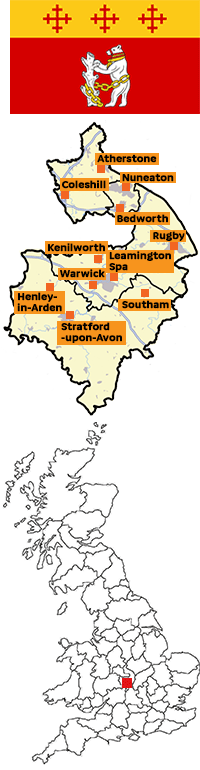
Kenilworth is a market town to the north of Warwick. Kenilworth was known as Chinewrde at the time of the Domesday Book. The town gained importance early in the Norman period with the establishment of an Augustinian priory and also a castle in the early 12th century.
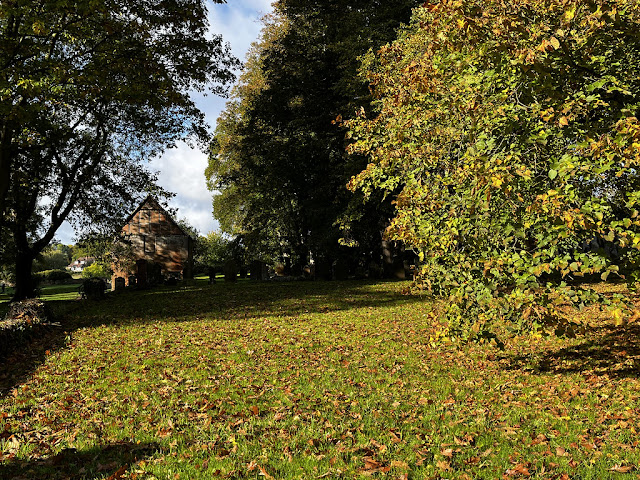
Near the abbey ruins
The castle was a major strongpoint, it was besieged by Prince Edward's forces in 1266 during the Second Barons War for six months and did not fall. Later on Kenilworth was the setting for a parliament by King Henry III which eventually led to the end of the war. During the Wars of the Roses the castle was a base for King Henry IV. Later on Elizabeth I stayed at the castle and prayed at the nearby St Nicholas church.
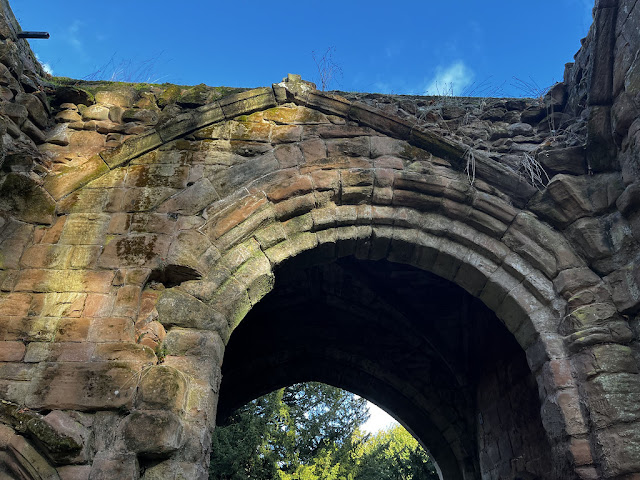
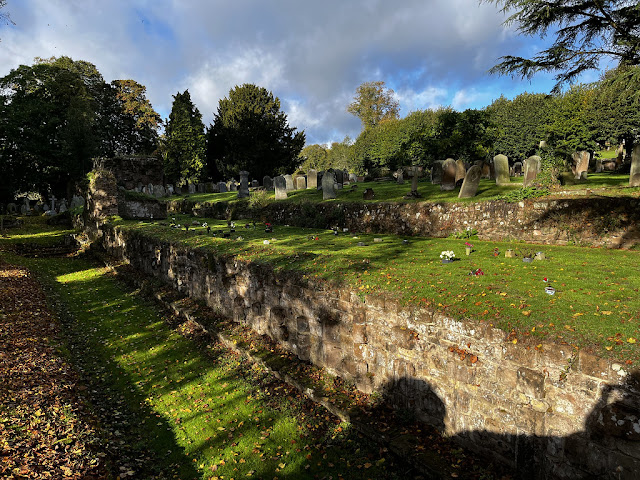
Part of the abbey ruins
The castle was slighted after the Civil War and soon became a ruin. Kenilworth's national importance diminished as a result. The priory eventually became an abbey though this also became ruins after dissolution. However, in modern times the castle is a major visitor attraction. The town gained a railway station in 1844, though it closed in 1965 before being re-opened in 2018!
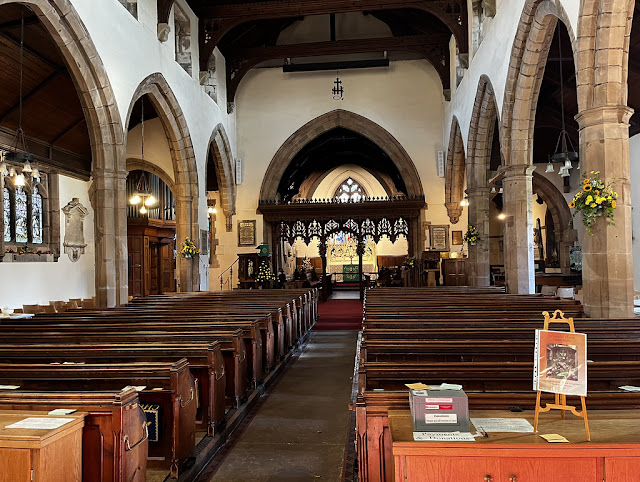
Inside St Nicholas church
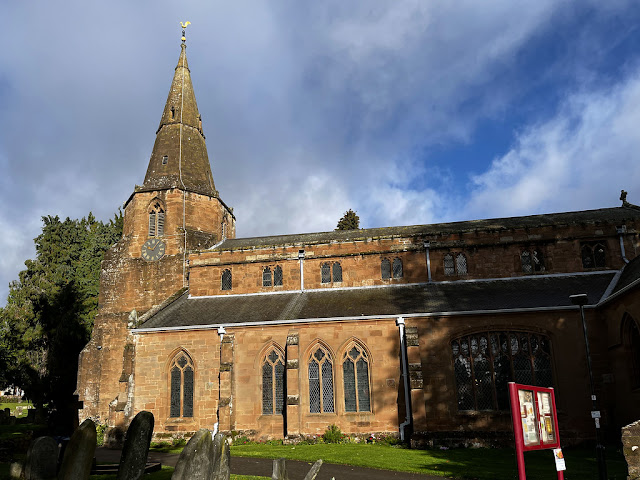
St Nicholas church
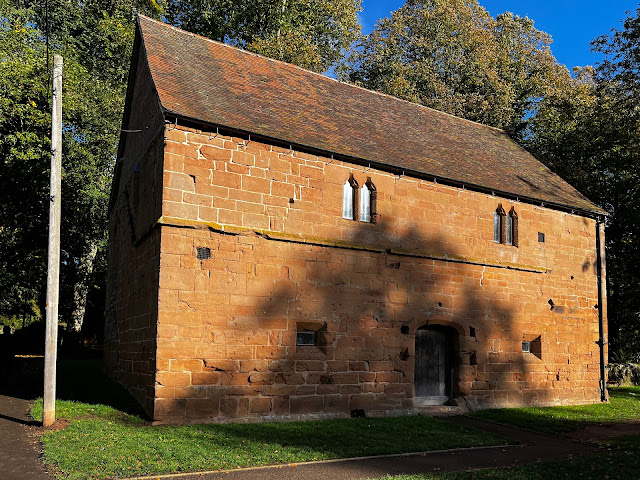
Tithe barn
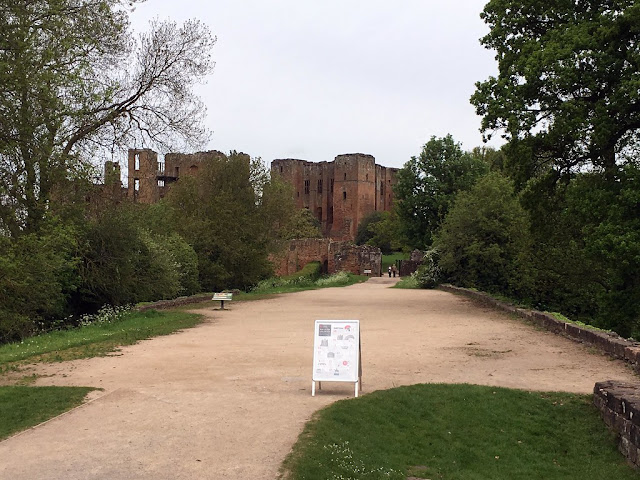
Kenilworth castle
Kenilworth castle in Warwickshire dates from the reign of Henry I. The castle was built by Geoffrey de Clinton, the Lord Chamberlain of the King in the early 1120s. The original castle probably consisted of a standard Norman motte and bailey castle with a mount surrounded by a wall and a strongpoint on top of the mound. The castle was continually rebuilt and improved over the next five centuries.
Major work took place in the early thirteenth century when the wooden bailey wall was replaced by stone and two nearby brooks were dammed to create the castle's water defences. The following century saw the castle gain a great hall and other towers. The castle was owned by John of Gaunt in the later fourteenth century and was one of his most important castles. He made a number of major improvements to the castle.
Kenilworth castle was partially destroyed during the Civil War so it could not be used as a military stronghold. The castle remained a ruin in the following centuries though even by the eighteenth century it was already a tourist attraction. The castle is now owned by English Heritage.
Kenilworth Priory
An Augustinian priory was created in Kenilworth in 1124 by Geoffrey de Clinton who also built the nearby Kenilworth castle. The parish church of St Nicholas was built next to the priory in about 1291. The priory was promoted to an abbey by the Pope in 1447, by then it had been considerably built up and included an infirmary, gatehouse and a barn.
The abbey was dismantled following dissolution, only the barn and parts of the gatehouse remain today though the remains of the other buildings have been excavated.
Location