
Atherstone is a market town at the North of Warwickshire near the borders with Staffordshire and Leicestershire, between Nuneaton and Tamworth.
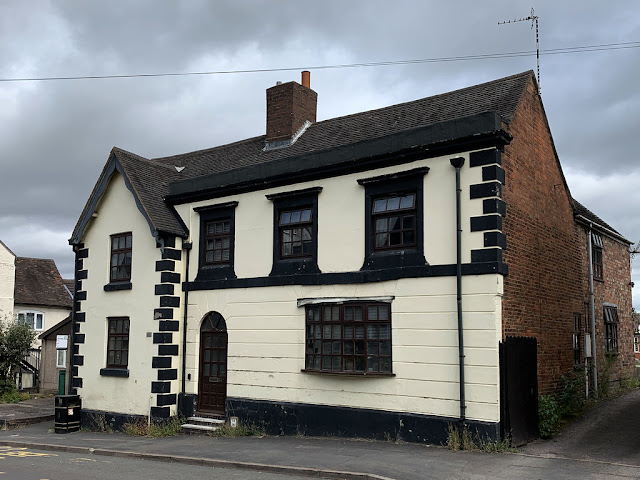
House in Atherstone
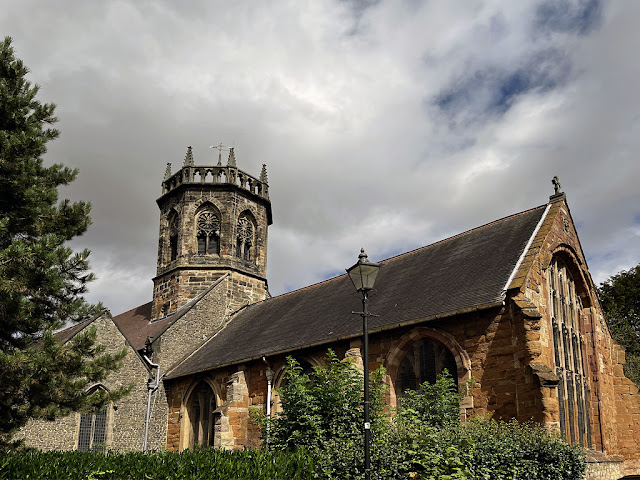
Settlement in Atherstone dates back to Roman times with a Roman settlement in the adjoining village of Mancetter, the Roman road Watling Street running through the town. Boudicca may have been finally defeated by the Romans near to Atherstone in 60CE. Atherstone was listed in the Domesday Book (as Aderestone), held by Lady Godiva. The town was granted a yearly fair by King Henry III in 1246. Atherstone is close to the site of the battle of Bosworth, which may have actually taken place in fields near Atherstone and not Bosworth. The parish church dedicated to St Mary dates from the 12th century though in later centuries was extensively rebuilt, including giving it an octagonal tower.
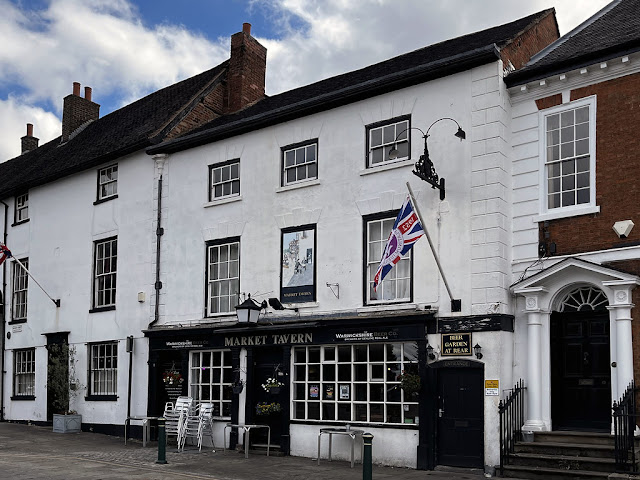
Market Tavern pub
Atherstone became an affluent market town surrounded by agricultural lands and in later medieval times a centre for cloth and textile manufacture, being well known for it's hat industry. The final hat factory not closing until 1999.
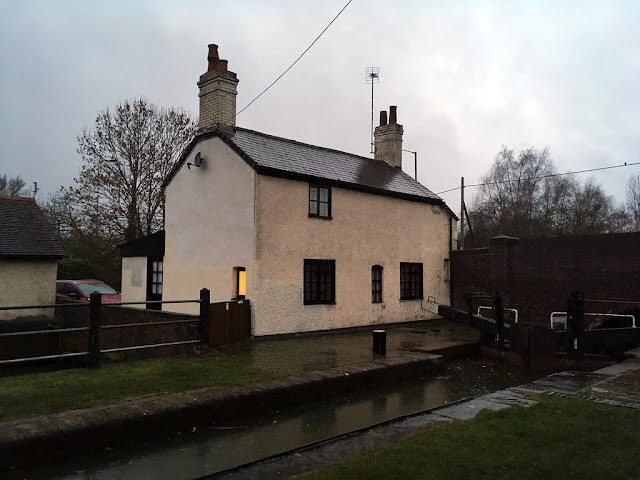
Coventry canal lock keeper's cottage
During the Industrial Revolution Atherstone was linked to the canal network by the Coventry Canal and the rail network by the West Coast Main Line though was eventually eclipsed by the likes of Birmingham and Coventry industrially.
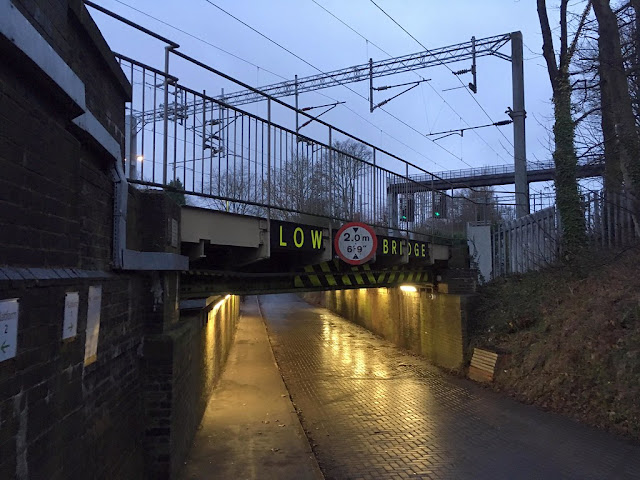
Under the railway lines
St Mary
The parish church of St Mary in the Warwickshire town of Atherstone has it's origin in a 12th century chapel. The chapel was, by the 16th century, neglected but had a revival in the following centuries and some quite extensive rebuilding. The tower was rebuilt in the late 1700s as an octagon. The church was rebuilt in 1849 when the current nave and North and South aisles were built.
The church also has a chancel and North and South transepts.
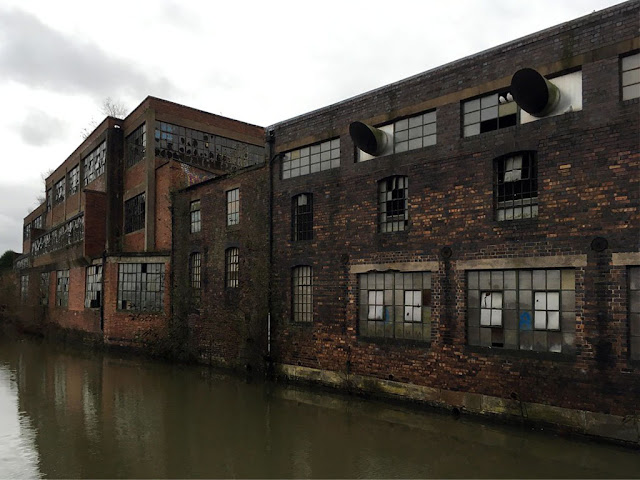
Canal side business premises

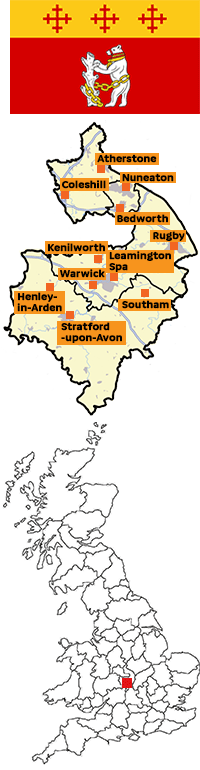
Location