
Dorking is a market town in central Surrey to the east of Guildford.
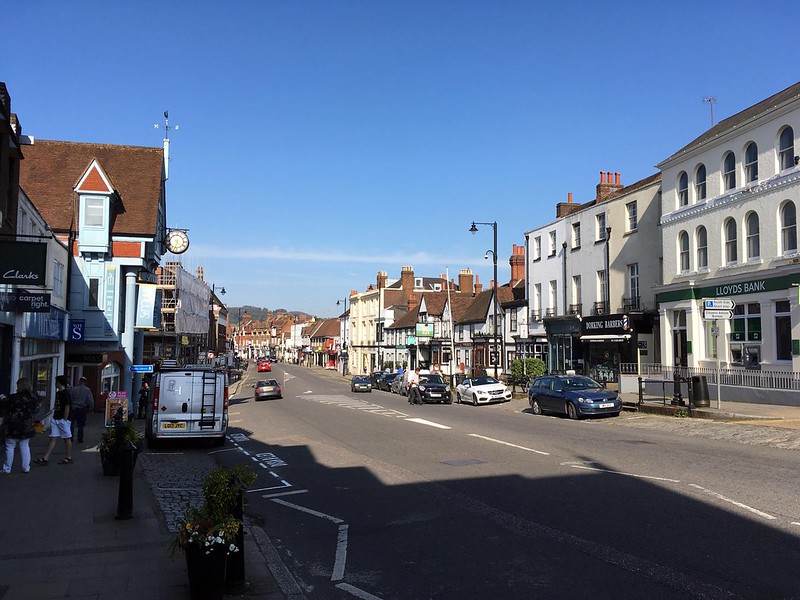
Dorking high street
The origin of the name Dorking is unsure, it may be derived from the Old English Deorc, a personal name. At the time of the Norman conquest the settlement was known as Dorchinges, later Doreking or Dorkingg. There may have been a settlement in the area in Roman times and earlier, Bronze Age ceramics and flints have been discovered during construction work in the town. The town's origins have been traced back to at least the 8th century.
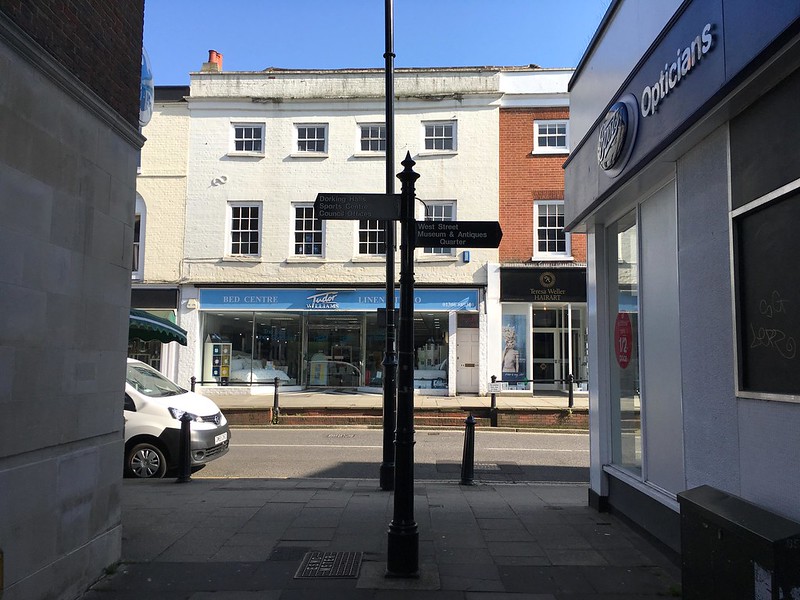
Which way now?
After the Norman Conquest, Dorking was held by William the Conqueror. Dorking was granted to the first Earl of Surrey by William II and the town remained under the control of the Lord of the Manor during the Middle Ages. The town boomed during Tudor times, it was granted a market charter in the Middle Ages and became well known for it's poultry (including the Dorking breed of chicken!)
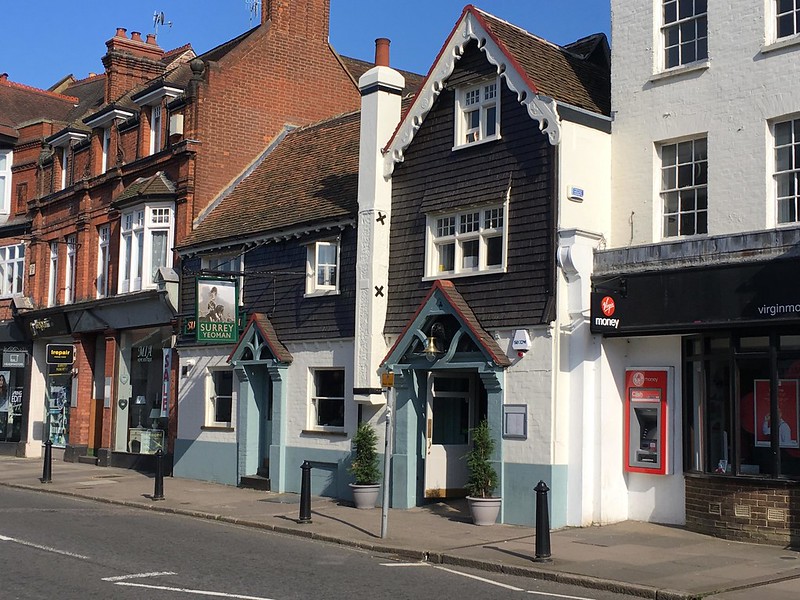
Surrey Yeoman pub
In the Early Modern period the town went into decline, with a large population of non-conformists including Daniel Defoe as a child.
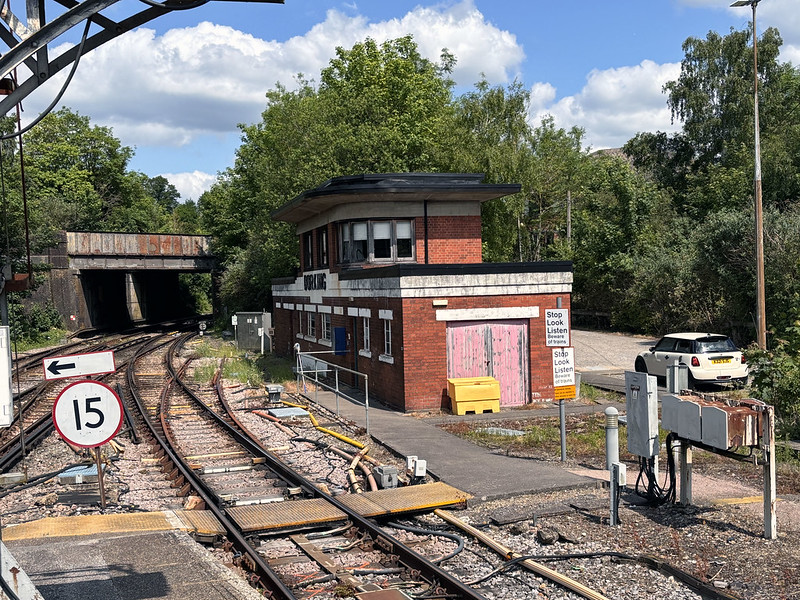
Signal box at Dorking station
The parish church of St Martin dates from the 12th century, built on the site of an earlier Saxon church. The town is served by Dorking, Dorking West and Dorking Deepdene railway stations, the railways reaching the town in 1849. The town began to grow and expand again due to new transport links.
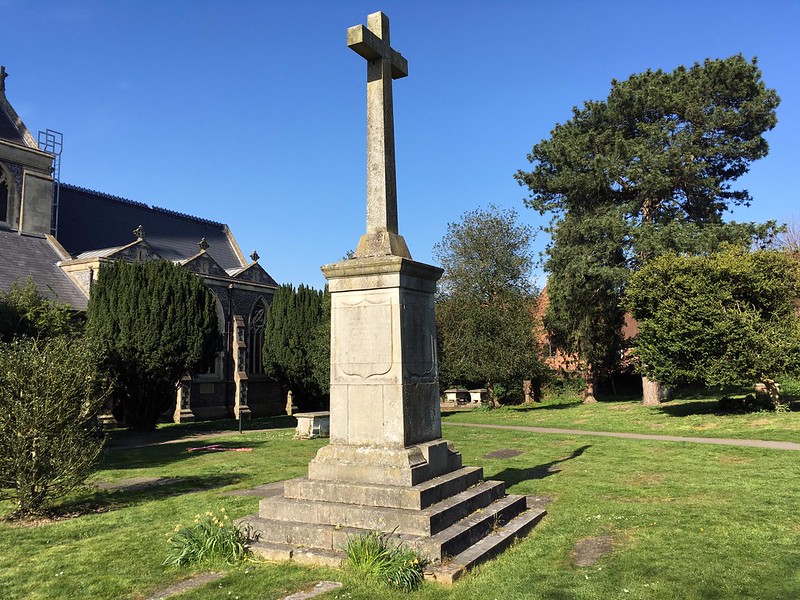
St Martin
St Martin's is the parish church of Dorking, Surrey. The church was originally built in the 12th century probably to replace the earlier church which was mentioned in the Domesday Book. The church was extended in the 14th century with side aisles. However little of the original church remains visible, though the original floors and walls remain in the vaults.
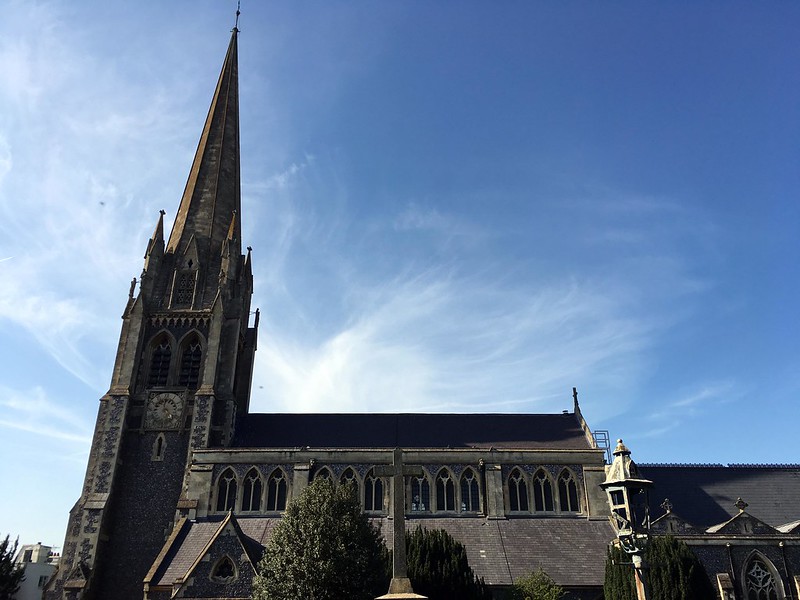
The church was extensively renovated in the 19th century with parts including the nave and tower (and spire) rebuilt during two phases of rebuilding in the 1830s and 1870s. The church is built from black flints and Bath stone.
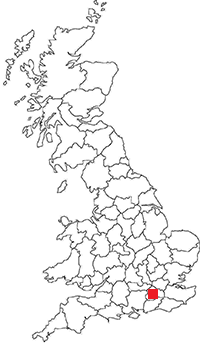
Location