
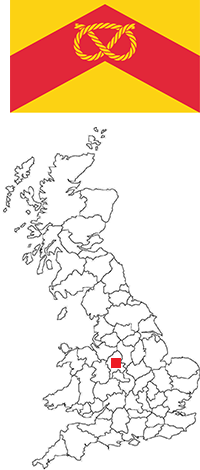
Tutbury is a village on the eastern edge of the county by the Derbyshire border.
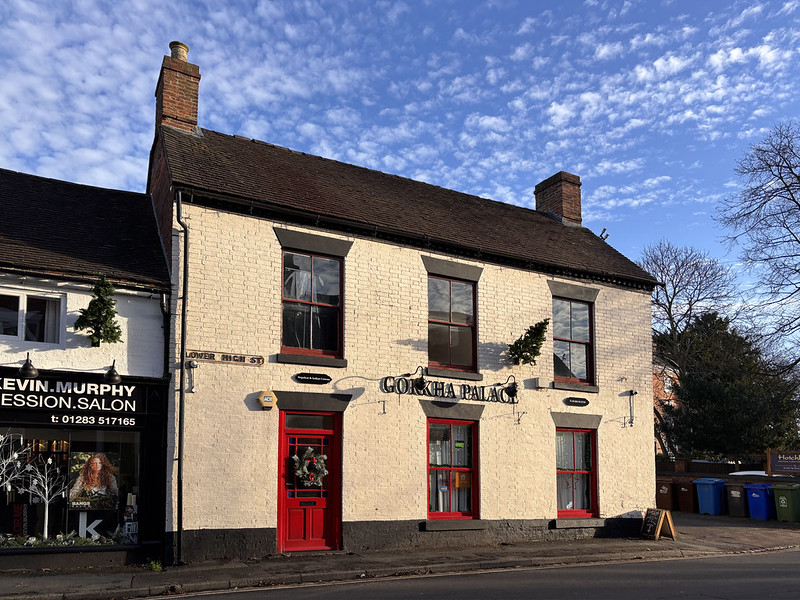
Restaurant in Tutbury
There are traces of habitation in the area dating back to the Iron Age. Traces of an Iron Age fort's defensive ditches around the Norman castle can still be seen. Tutbury is probably named after Totta, a chief of the fort, and burh or the Anglo-Saxon term for a fortified place.
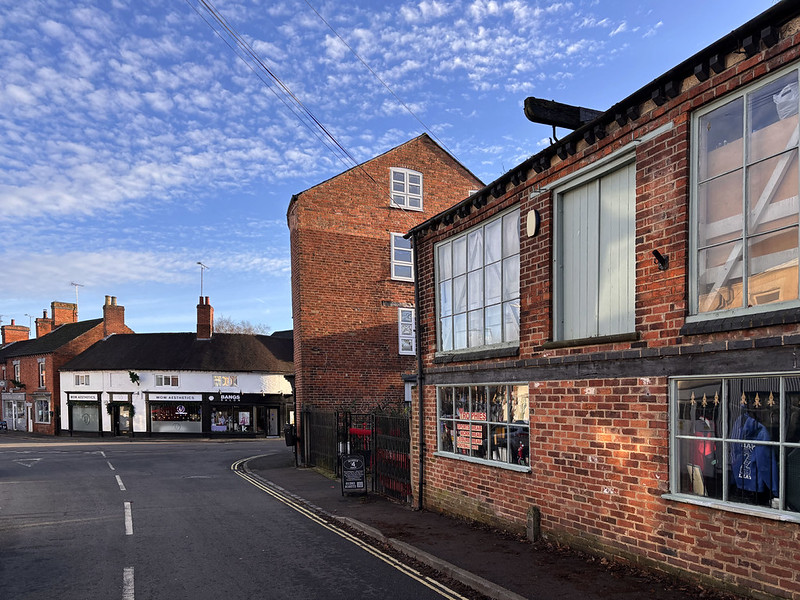
Along the street
The area around Tutbury was mostly agricultural though there were also quarries for Nottingham alabaster. Tutbury Castle was the headquarters of Henry de Ferrers, a major Norman landowner after the Conquest. He also founded Tutbury Priory, parts of which survive as the village church. John of Gaunt held the castle in the 14th century. He created the Court of Minstrels which met annually in Tutbury until the early 19th century.
Tutbury is adjacent to the Derbyshire village of Hatton which is on the other side of the county border. Tutbury & Hatton railway station opened in 1848, it is on the Hatton side of the border.
St Mary the Virgin
The oldest part of the church, the Western part dates from about 1160CE. The church was used by the monks at Tutbury Priory but after the end of the monastry St Mary's became the parish church. The western part of the church was retained for this though the eastern part (along with the priory itself) was demolished during the Reformation.
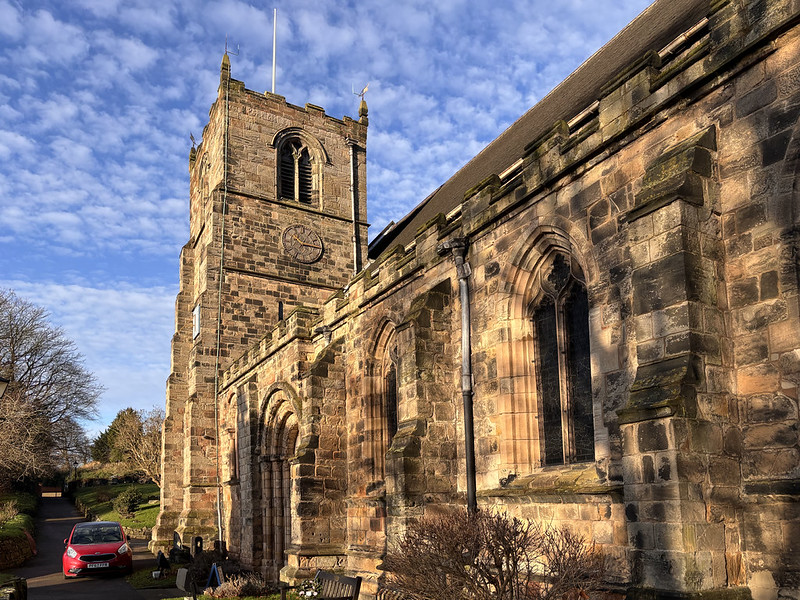
The south tower was added to the church in the sixteenth century, a North aisle was added in the early nineteenth. Above the western door is an alabaster (quarried nearby) archway which is thought to be the only remaining external alabaster archway on a church in the country.
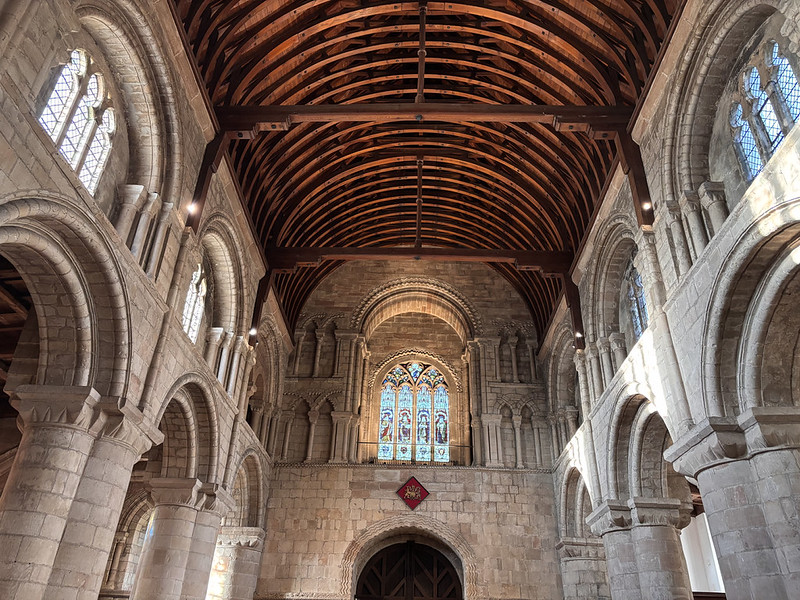
Tutbury
The castle was owned by one of William the Conqueror's leading Norman magnates Henry de Ferrers. He was awarded over two hundred manors in England by the King mostly across the Midlands. Duffield castle was another of his castles, though more an outpost, Tutbury castle was his headquarters. The original motte and bailey of Tutbury was constructed in 1068-9.
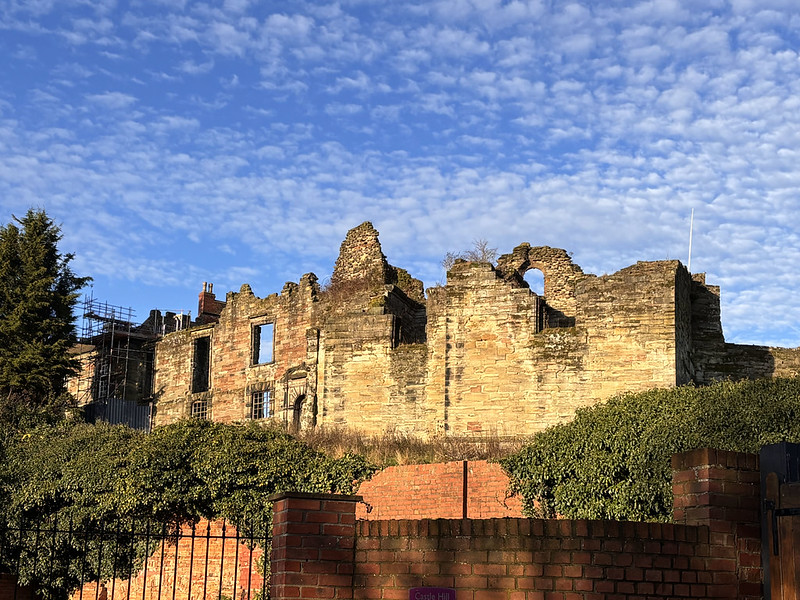
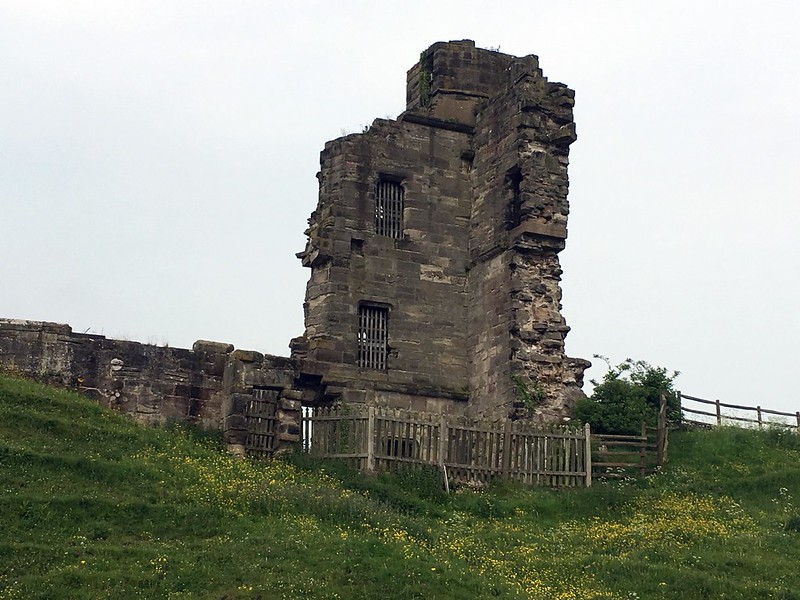
The castle was nearly destroyed during a rebellion by one of Henry's descendants against Henry III in 1269. It was repaired though became a residential property than a military base. People who stayed at the castle in later years included the wife of John of Gaunt and Mary, Queen of Scots. The Queen noted that the castle was worn out, damp and draughty though she was a prisoner at the castle. The castle was destroyed after the English Civil War on the orders of parliament though some parts were repaired after the restoration of the monarchy. In later years it was used as a farm and a residential property, but is now open to the public.
Location