
Stone is a market town in Staffordshire in the centre of the county.
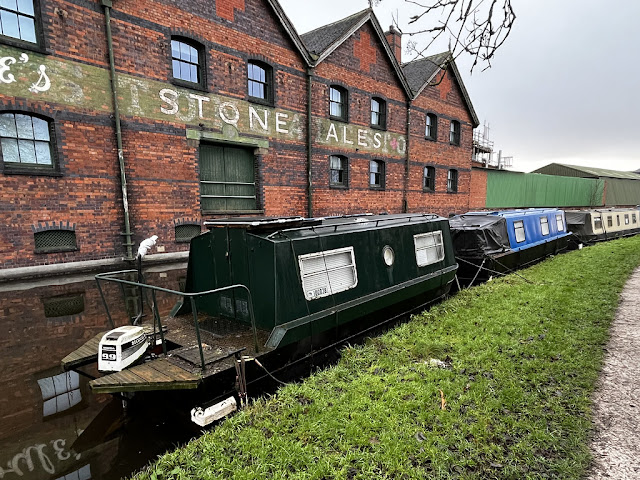
Trent and Mersey Canal in Stone
Stone's name has no esoteric origin, it is derived from the Old English stan meaning "stone"! The legend is that the name comes from a pile of stones erected for the Saxon princes Ruffin and Wulfad by their father King Wulfhere of Mercia in 665 though there is some doubt on the truth behind the legend.
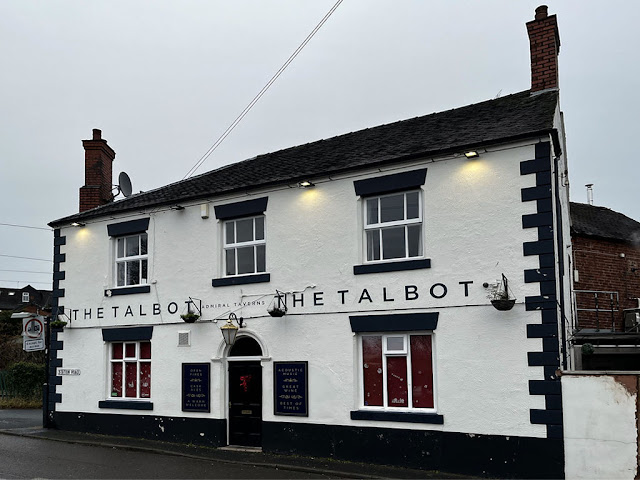
Talbot pub
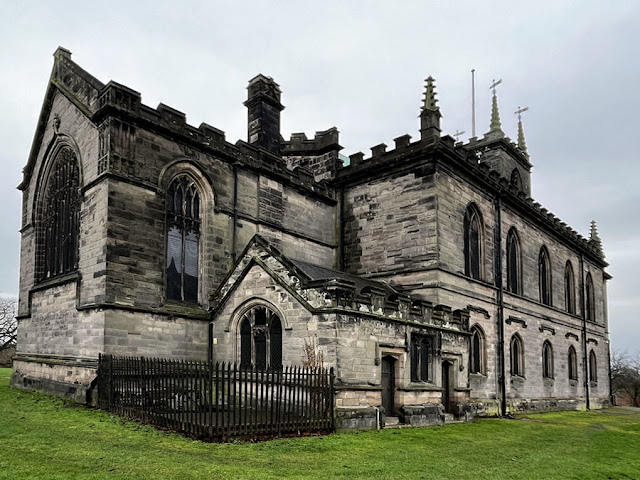
There have been traces of settlement in the area since the Bronze Age. A church was said to have been built over the tombs of Ruffin and Wulfad. This was later replaced by an Augustinian Priory. The current parish church of St Michael and St Wulfad was built in 1758.
Stone was granted a market charter by King Henry III in 1251. Stone became an important centre for brewing. The shoe making industry was also an important trade in the town in the mid 19th century.
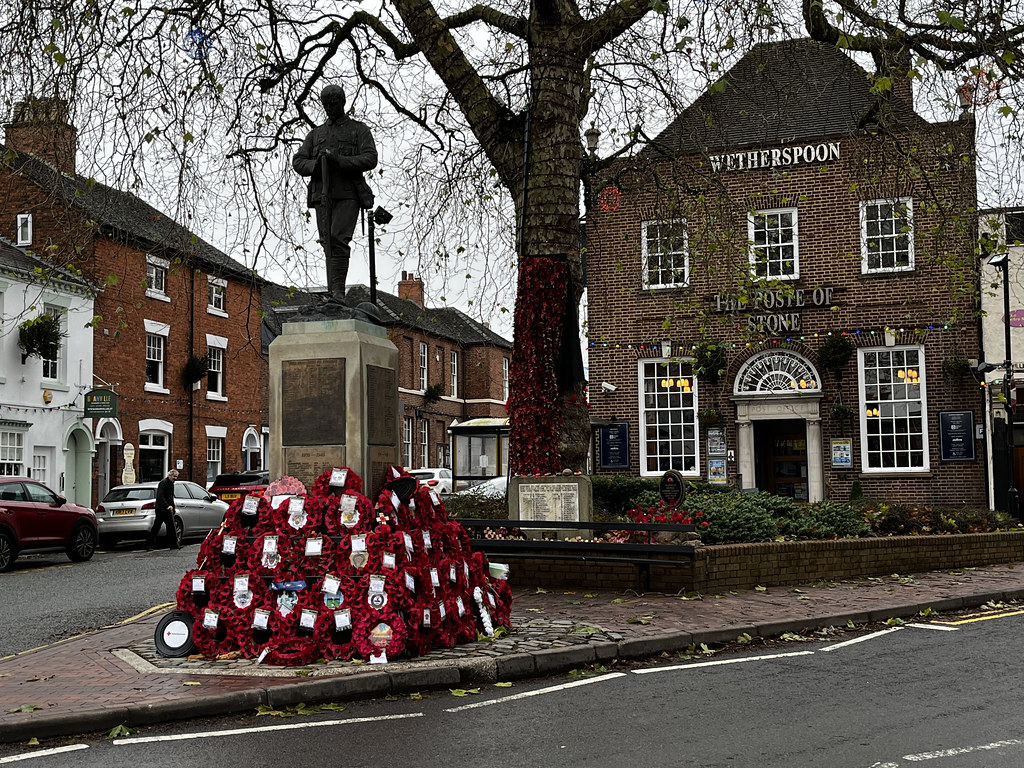
A war memorial
Stone's proximity to the river Trent helped it become an important transport stop, many stage coaches passed through the town. The Trent & Mersey Canal was built through Stone in 1772. The canal company's headquarters was in the town a time. Stone railway station was opened in 1848.
St Michael and St Wulfad
The parish church dedicated to St Michael and St Wulfad in Stone, Staffordshire dates from 1758, It was built on the site of a priory church dedicated to St Mary and St Wulfad (St Wulfad was an English saint who died, according to legend, in Stone in about 675CE).
The church was in the Early Gothic Revival design. The chancel was added in 1887. The church is made from ashlar. Inside the churchyard is a mausoleum dedicated to the Jervis family. Also in the churchyard are effigies of William II Crompton, whose father purchased the former priory lands after the Dissolution and his wife Mary Aston. The effigies were originally inside the priory church.
Stone railway station
Location