
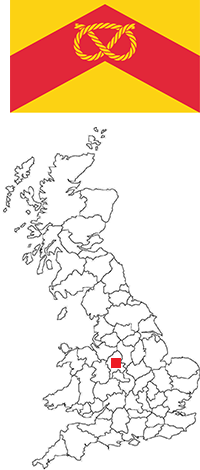
Penkridge is a market town in the south west of the county.
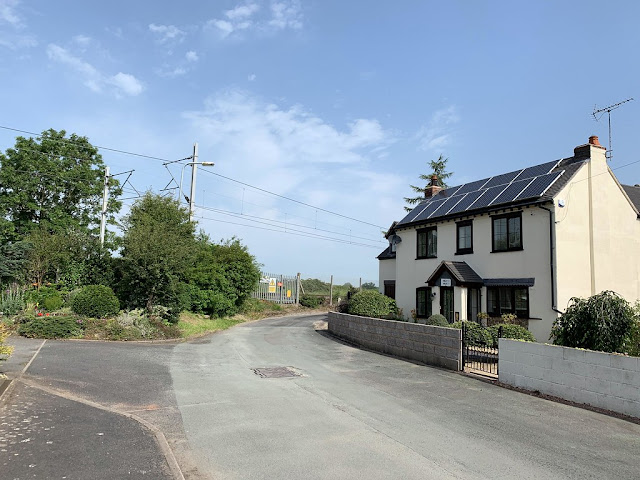
By the railway in Penkridge
The name Penkridge may be derived from the name the Romans gave their fort in the area, Pennocrucium or the ancient Celtic for head of the ridge, penn-crug (penkrik). By 958 the setttlement was known as Pencric. The name is not derived from river Penk which flows through the town, indeed the river's name may be derived from Penkridge!
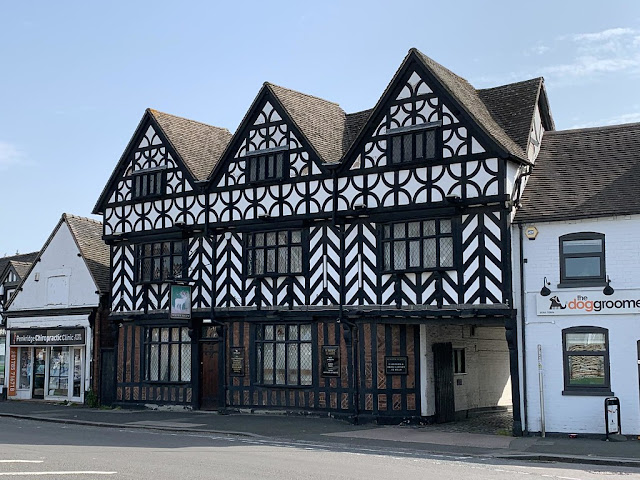
White Hart pub
People have been living in the area since before the Romans, who built a settlement and fort in the area. Penkridge was first mentioned in 958 in a charter, though existed for some time beforehand. It was a settlement in the kingdom of Mercia.
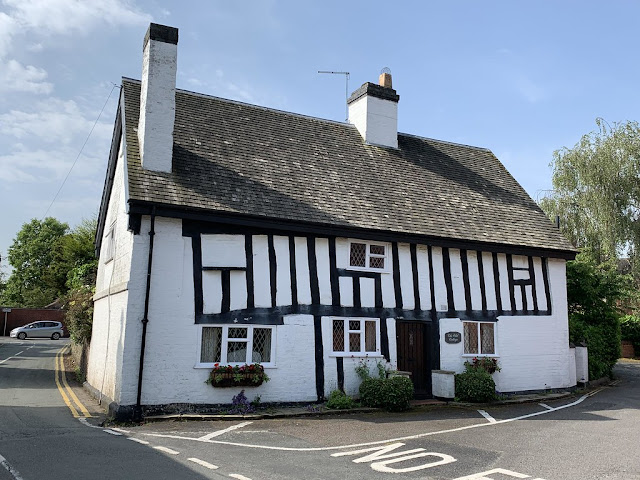
Half-timbered house in Penkridge
Penkridge's early importance was due to the church of St Michael, which was a collegiate church with a chapel royal set aside for use by the king. The town grew economically after the reign of Henry III who relaxed the restrictions on land use around Cannock Chase near the town. The town began to have a weekly market and was famous for it's horse fair.
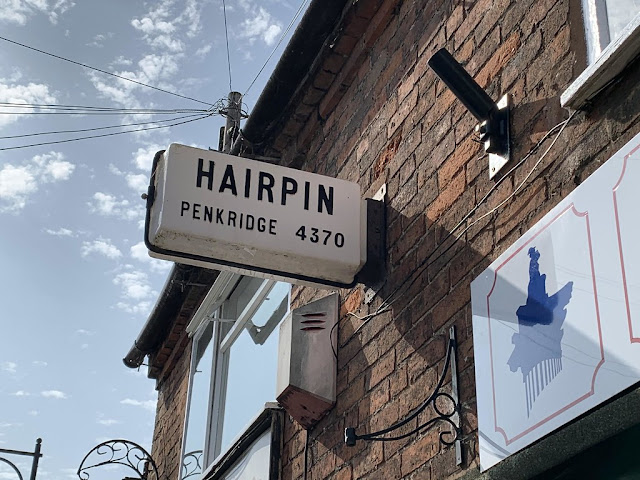
Old telephone number on this sign
Like many small towns Penkridge grew in size and economic importance following the arrival of new transport links. Penkridge station is a stop on the West Coast Main Line, the Staffordshire & Worcestershire Canal also passes nearby. In more modern times nearby motorway links have seen the town population greatly increase.
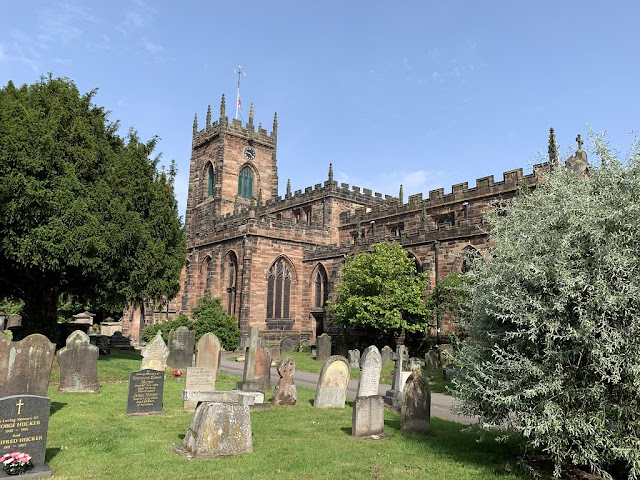
St Michael
The church of St Michael in Penkridge, Staffordshire may have been founded by the Saxon King Eadred in in the mid tenth century, it certainly was in existance by 1000CE and was mentioned in the Domesday Book. However the oldest parts of the current church are thought to date from the 13th century with the bases of piers dating from about 1225. A tower was added in the 14th century and raised in the 16th.
St Michael was an important collegiate church, served by a community of priests under the authority of a Dean, and a chapel royal (containing a place reserved for the monarch to use if he was passing). The church, which is made from local sandstone, was restored in 1881.
Location