
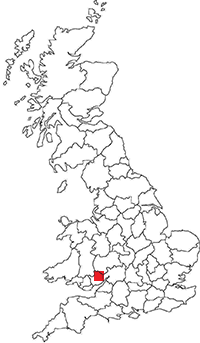
Chepstow (Cas-gwent) is a town on the Welsh-English border in Monmouthshire on the river Wye.
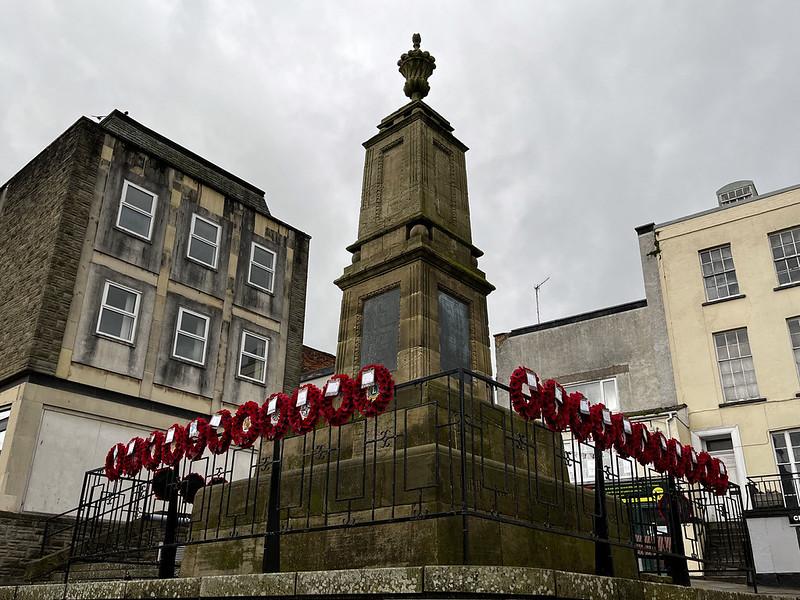
War memorial in Chepstow
There has been habitation in the area since at least the Upper Paleolithic. Signs of Mesolithic, Iron Age and Roman habitation have also been found. There was a river crossing close to the modern day crossings in Roman times. A settlement formed at the crossing, later becoming part of the kingdom of Gwent.
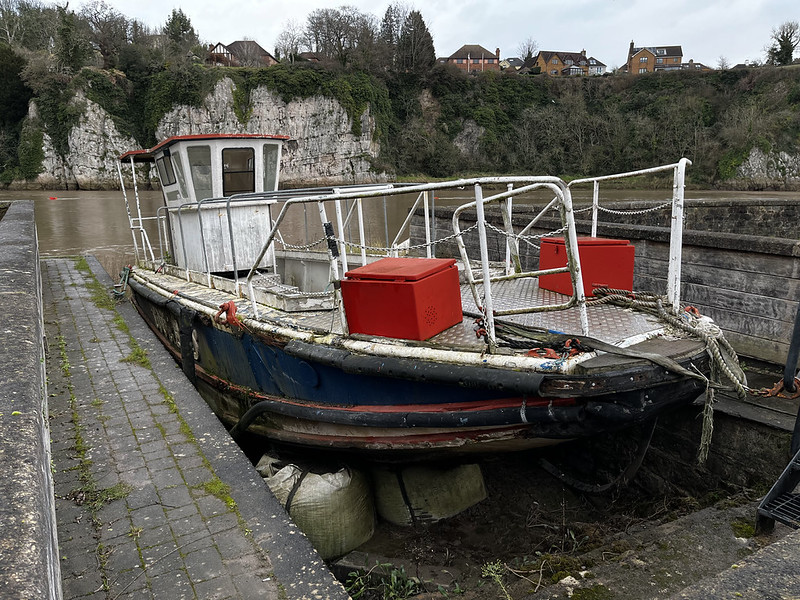
Boat on the river Wye, the river bank behind is in Gloucestershire
Chepstow's location at the lowest bridging point made it a strategic location. The Normans used it as a base from which to push into southern Wales. Chepstow castle was established in 1067. The town was later fortified due to attacks by the Welsh.
Chepstow gained a market charter in 1524. Chepstow became an important port especially in the late 18th century. Shipbuilding also became an important local industry. Chepstow lost importance as a port compared to the likes of Swansea and Cardiff though shipbuilding continued until the First World War.
St Mary
The priory and parish church of St Mary in Chepstow (Cas-gwent) in Monmouthshire dates from the late 11th century. The priory was founded in 1072 by the Benedictines, later the nave of the church became the parish church. After the Dissolution of the priory in 1536 the other priory buildings around the church were demolished, the choir church and chapterhouse were also lost.
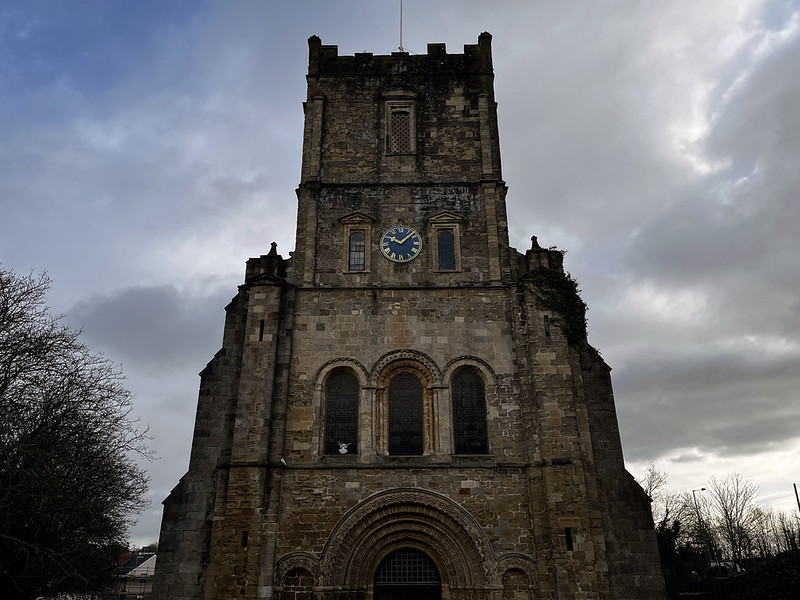
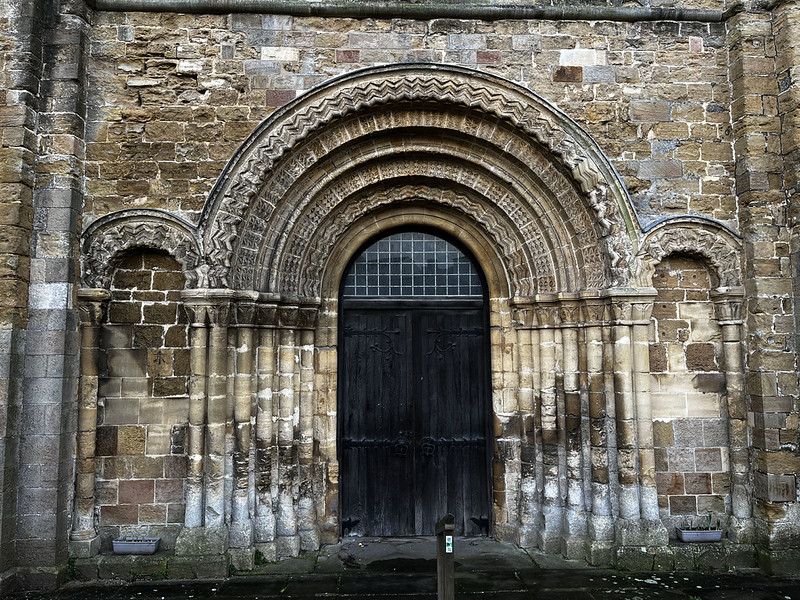
Although parts of the original Norman church remain, including the main doorway, there have been a lot of changes to the church over the subsequent centuries. The church originally had a central tower which collapsed in 1701, destroying the tower and the transepts. A new west tower was built to replace it over the Norman doorway. The church is built from local yellow sandstone, rubble and ashlar.
Chepstow Castle
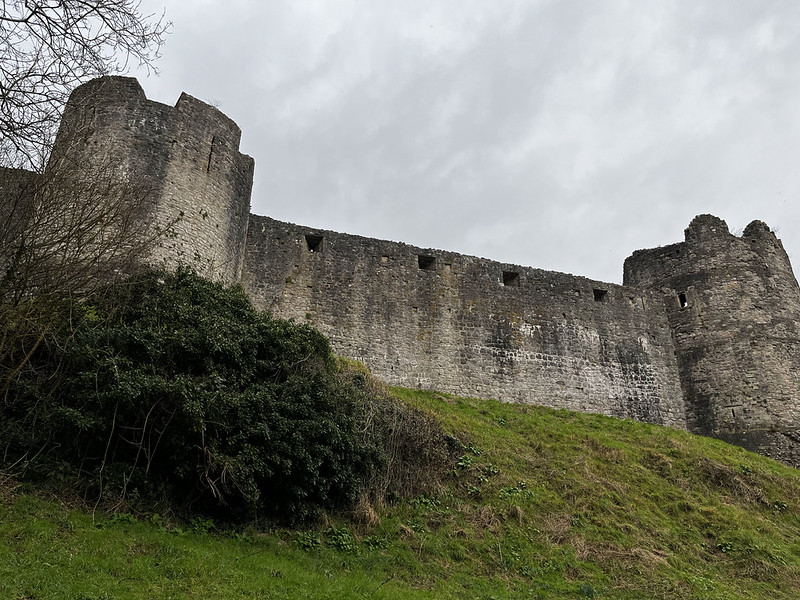
Chepstow, was a Norman castle, construction beginning in 1067CE as part of a chain of defences along the Marches. The castle was later used as a spring board for the Norman conquest of Gwent and remained a strategic point until the Reformation though was becoming used more for accommodation by the 16th century. By the 1700s it had fallen into decline and gradual decay.
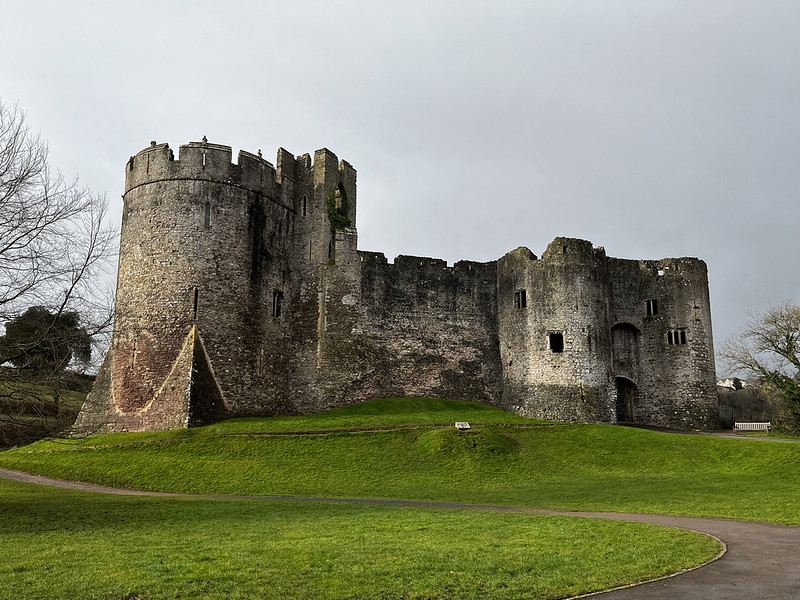
The castle is located on the river Wye and is located on a limestone ridge. The castle has been expanded since it's beginnings, having four bailies at it's height. Strongpoint of the castle was the Great Tower which was completed in about 1090.
Location