
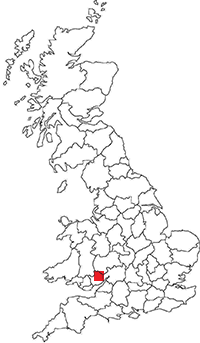
Caldicot / Cil-y-coed is a market town in the south west of Wales in Monmouthshire on the north side of the Severn estuary.
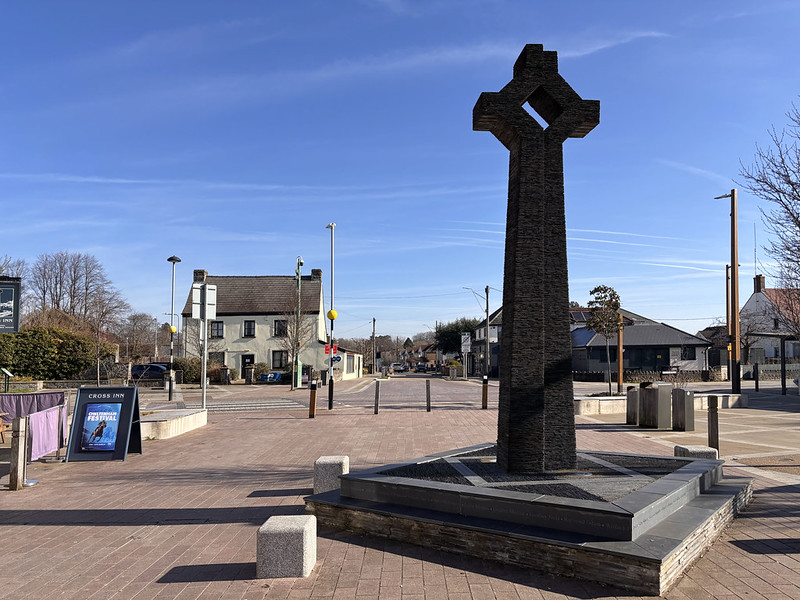
The centre of Caldicot
There has been habitation in the area since at least the Bronze Age. Traces of pottery kilns from Roman times have also been found. The name Caldicot is thought to be derived from the Old English for cold hut (calde cot). The Welsh name is a modern creation which means corner of the wood. After the Norman Conquest, Caldicot was given to the Sheriff of Gloucester. It was later passed to Humphrey II de Bohun whose descendants built the stone keep of the castle and stone walls during their two centuries of ownership of the castle.
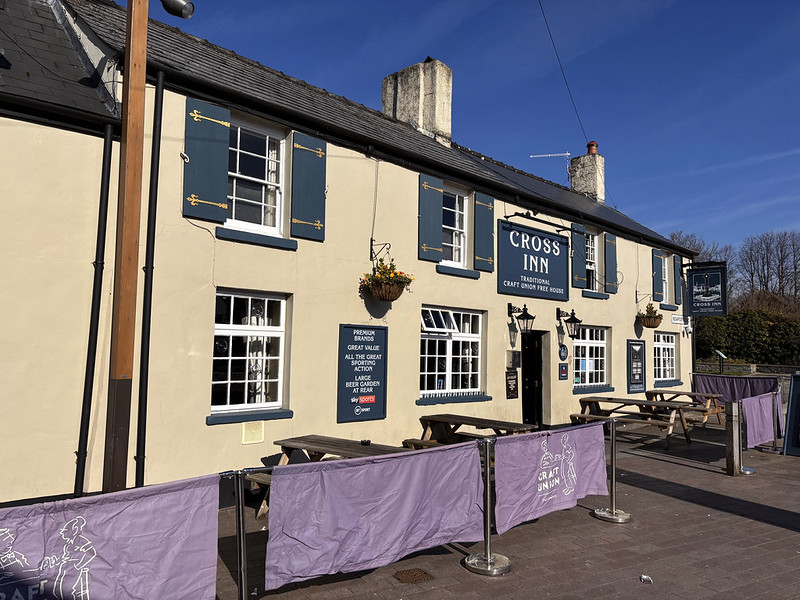
Cross Inn pub
Caldicot remained a small village until the mid-19th century. It saw growth after the arrival of the railways. New industries including a wireworks and a tinplate works were established. The building of the Severn Tunnel and later the Severn bridge carrying the M4 has helped continue the steady growth of the market town.
St Mary
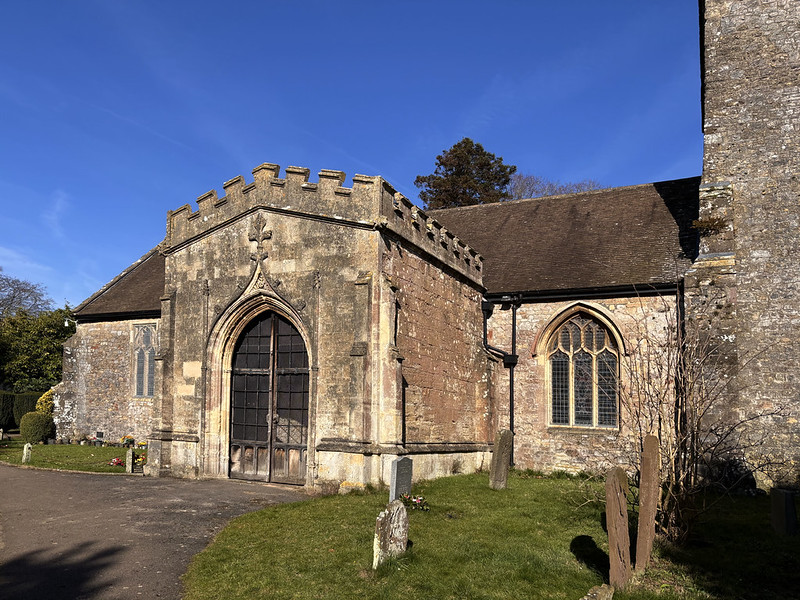
The parish church of St Mary in Caldicot dates from the 14th century though there are records of a pre-Norman earlier church. The base of the toweris the oldest part of the church. The nave and aisles were added in the 15th century. The tower was completed in the 16th century.
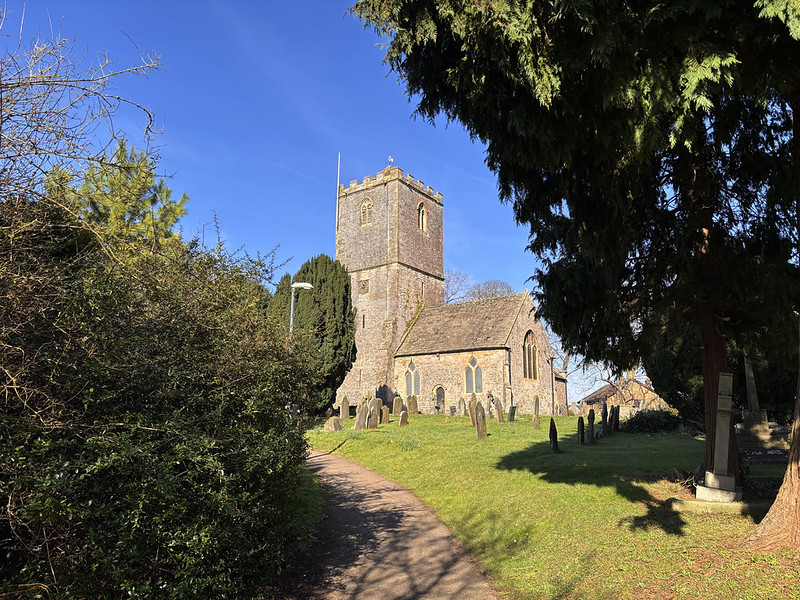
The north aisle was rebuilt in the mid-19th century, the chancel was restored in the early 20th century.
Caldicot Castle
Caldicot castle was built around 1100, near to a former Saxon castle. The original castle was probably a standard Norman motte and bailey castle. Humphrey III de Bohun is thought to have built the stone keep in about 1170. The Bohun family held the castle for two hundred years.
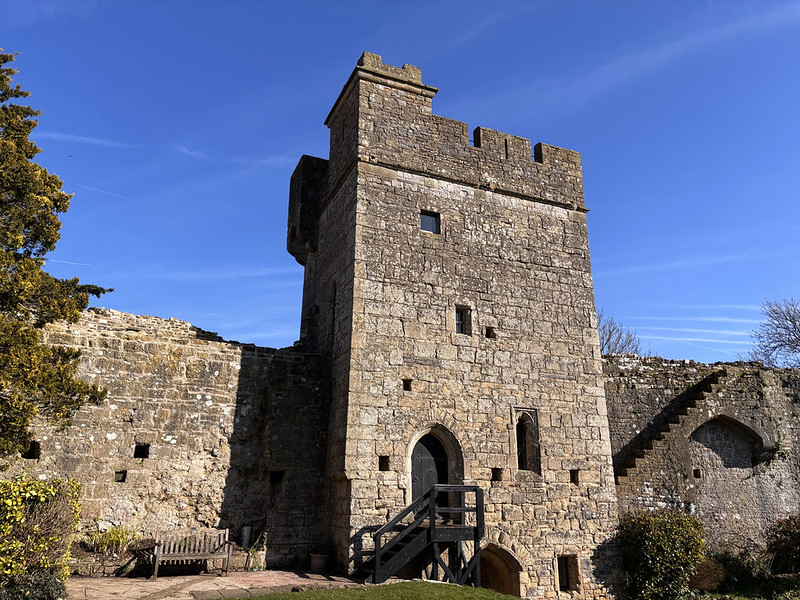
Major work was done on the castle in the 14th century by the then owner Thomas of Woodstock, a son of King Edward III. A new gatehouse and accomodation tower were built.
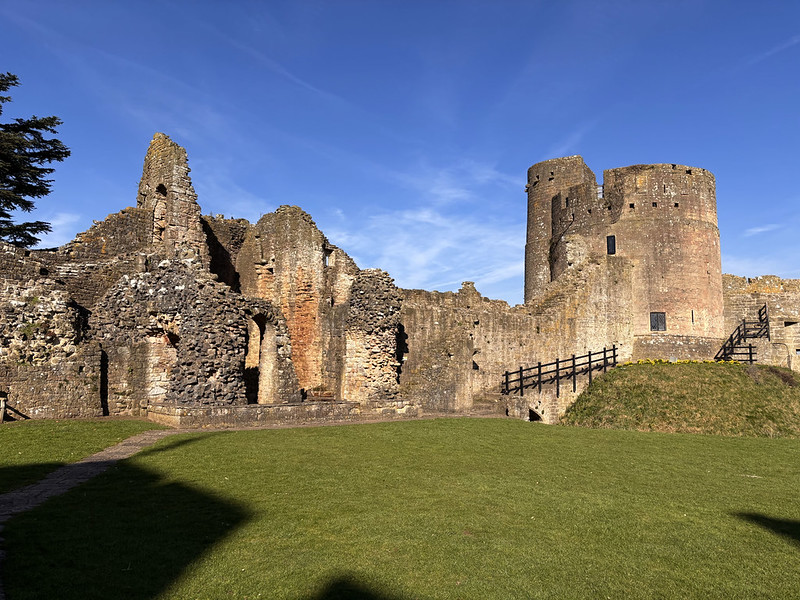
Like many castles, Caldicot castle fell into ruin over a long period. The site was bought by Joseph Richard Cobb in 1885 who began the castle's restoration as a family home. In 1964, the castle was sold to the local council who have continued ownership to the present day and made it available to visits by the general public.
Location