
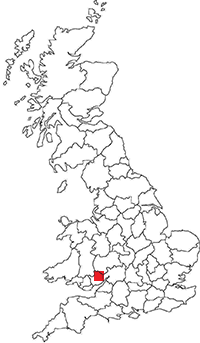
Abergavenny (Y Fenni) is a market town in Monmouthshire.
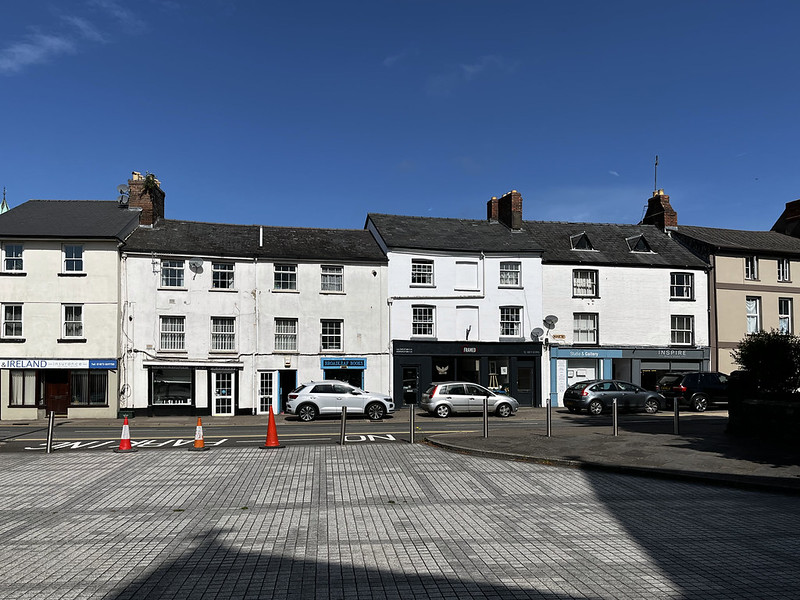
Shops in Abergavenny
Abergavenny was built on the site of a Roman fort (Gobannium). Aber in the name means river mouth in Welsh, the town is located where the river Gavenny joins the river Usk. The Welsh name for Abergavenny, Y Fenni is a shortened version of Abergavenny.
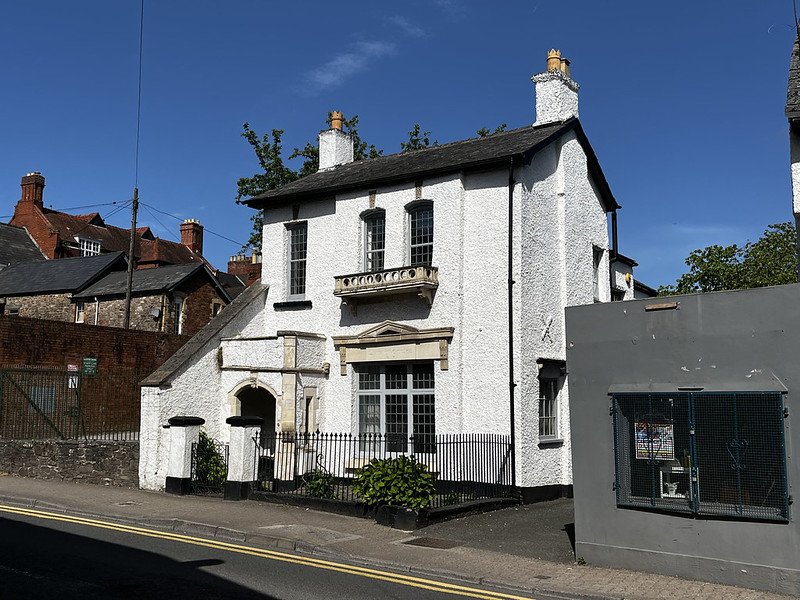
House in Abergavenny
By Norman times, Abergavenny was a town in the Welsh Marches. The town was walled and also had a castle built. It was often caught up in the various border wars of the early Middle Ages. Abergavenny gained a market charter in the 13th century. A Benedictine priory was founded in the late 11th century. This is now the priory church of St Mary.
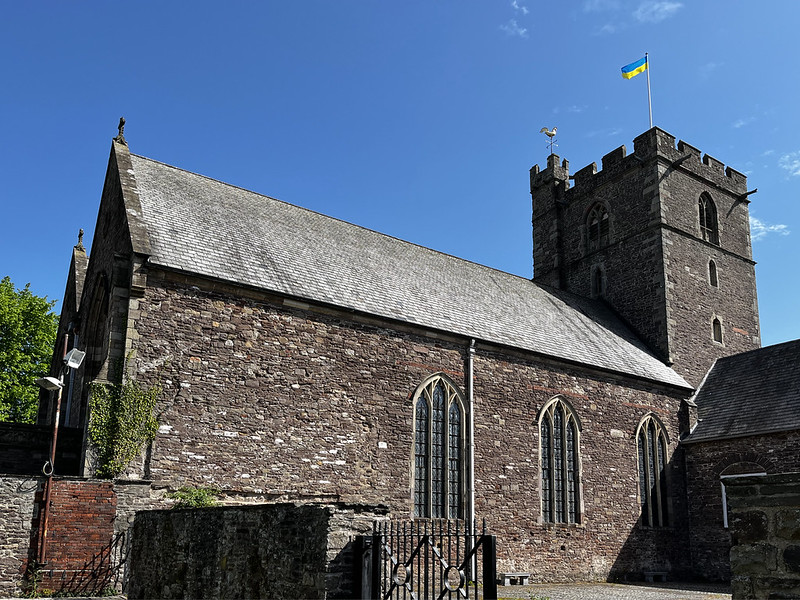
Priory Church of St Mary
Abergavenny was attacked by Owain Glyndŵr in 1404. The town was ravaged though the castle remained intact. During the Civil War, Abergavenny was visited by King Charles but later declined in importance after the town's chief officers refused an oath to King William III. Abergavenny became known for the production of Welsh flannel and wigs made from goat hair which were fashionable for a time.
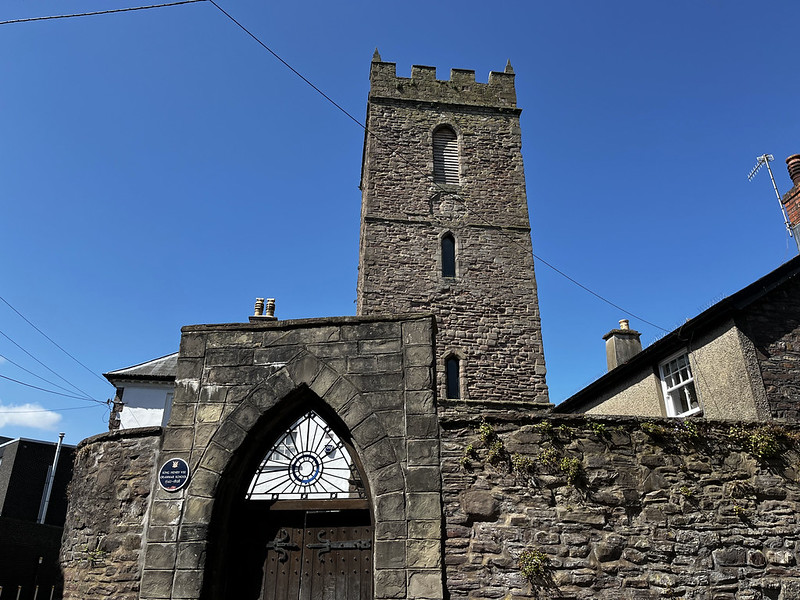
Abergavenny Masonic Lodge, former church of St John
Abergavenny gained a railway station in 1854 on the line between Hereford and Newport. Rudolph Hess was held in a hospital in Abergavenny for a time after his flight from Nazi Germany.
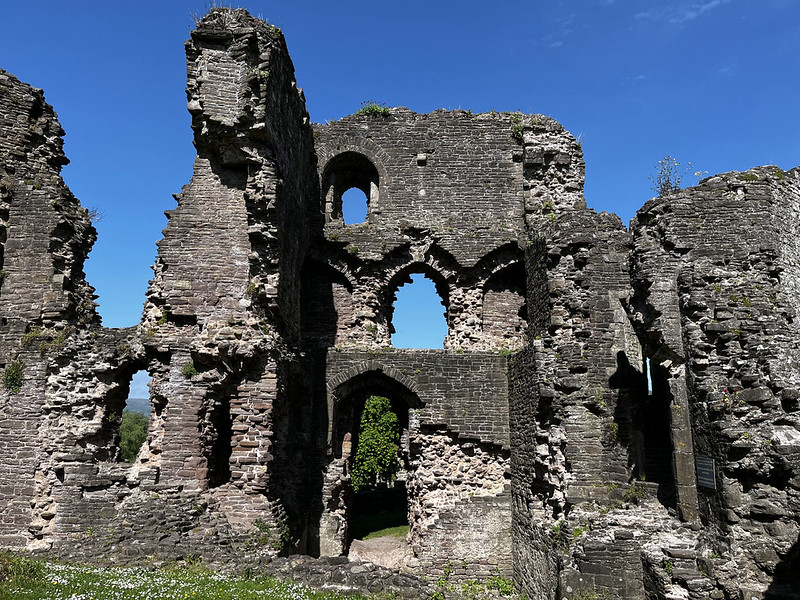
Abergavenny Castle
The castle was established by the Normans in 1087CE. The castle was built to overlook the river Usk. A stone keep replaced the original wooden building in around 1100. In 1175 the castle was the scene of a massacre when a group of Welsh nobles were killed there after being lured there under false pretences by William de Braose..
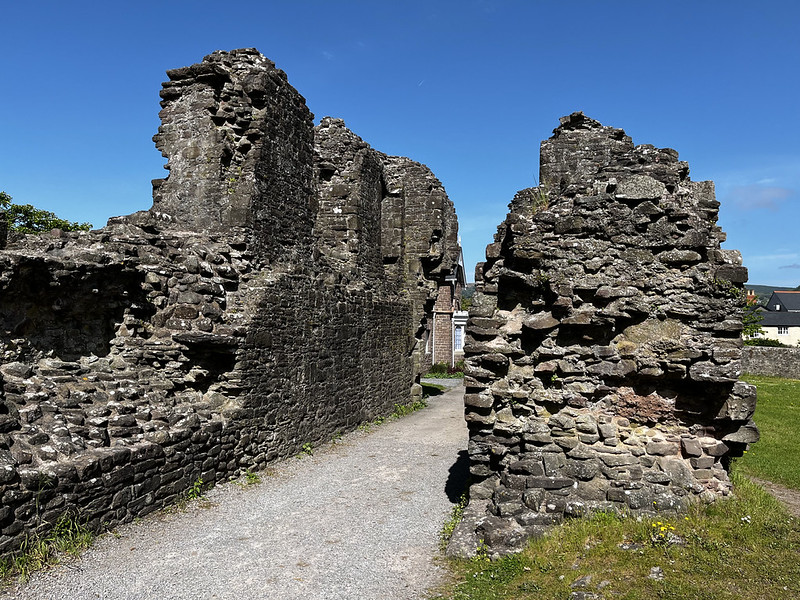
The castle was expanded in the 13th and 14th centuries. By the 15th century however, the castle was falling out of use. It was slighted by orders of the King in the Civil War to stop it being used by Parliamentary forces. By the 18th century the castle ruins were beginning to attract visitors. A hunting lodge was built atop the motte in 1819. The building now houses the town's museum.
Location