
The village of Islip is in between Bicester and Oxford in the centre of the county of Oxfordshire.
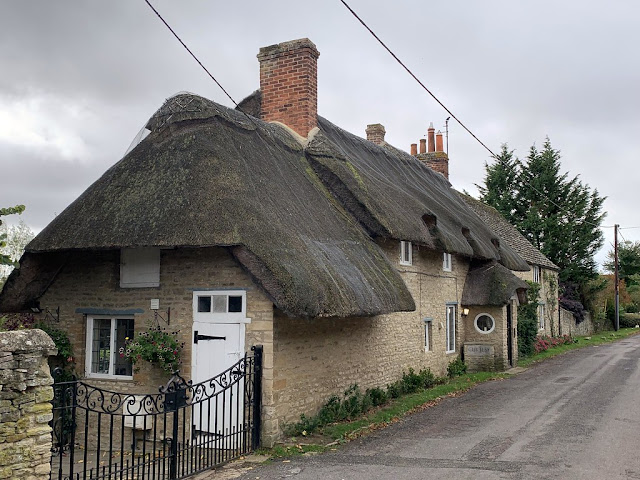
A bit of thatch
The village has existed since Saxon times and most notably was the birthplace of Saint (and King) Edward the Confessor in 1004CE. Remains of a Roman villa have also been found nearby showing the area has been inhabited for millennia.
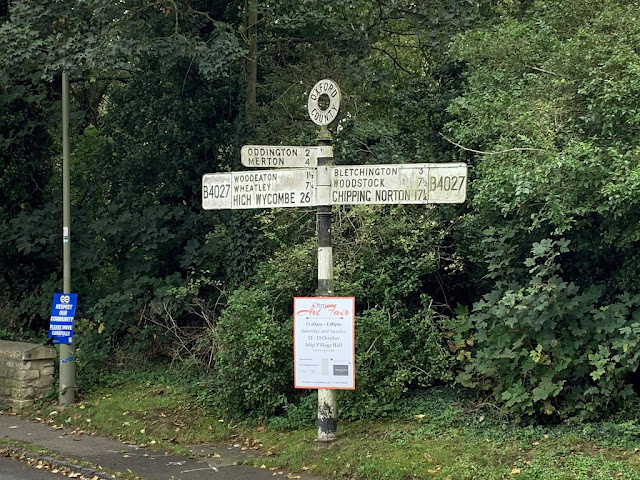
A number of old signpost survive in the village
In the Domesday Book Islip was recorded as having a water mill and had a predominantly agricultural economy. The London-Worcester Road forded, and later crossed by a bridge, the river Ray at Islip. This gave Islip a strategic importance during the Civil War with both sides occupying the village at different times. The village became a stop on a coaching route on the London-Worcester Road and gained a number of coaching inns.
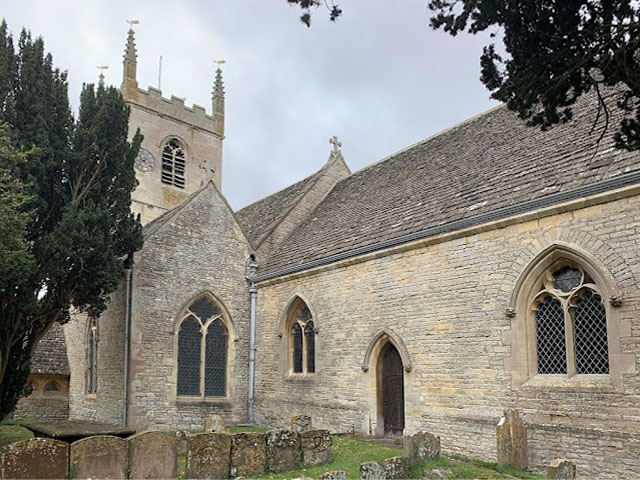
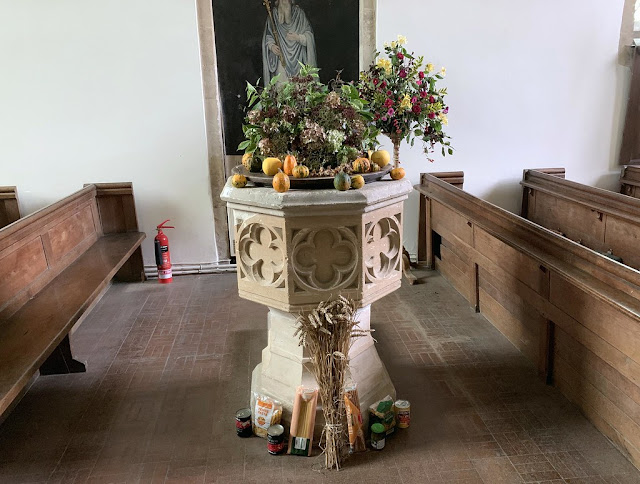
Islip gained it's railway station in 1850. The station was closed in 1967 but re-opened in 1989. The church of St Nicholas is Norman and dates from 1200 (Edward the Confessor was baptised in an earlier church in Islip).
St Nicholas
The church was built in the Early English and Decorated Gothic styles. An earlier church did exist on the site, built around 1065CE.
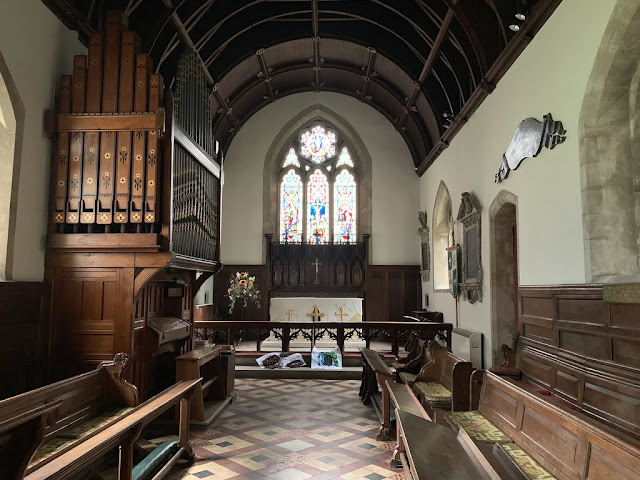
The chancel was rebuilt in 1780 and the whole church rebuilt and restored in 1861. The church is built from limestone ashlar and rubble. It has an aisled nave, chancel, vestry and a West tower.
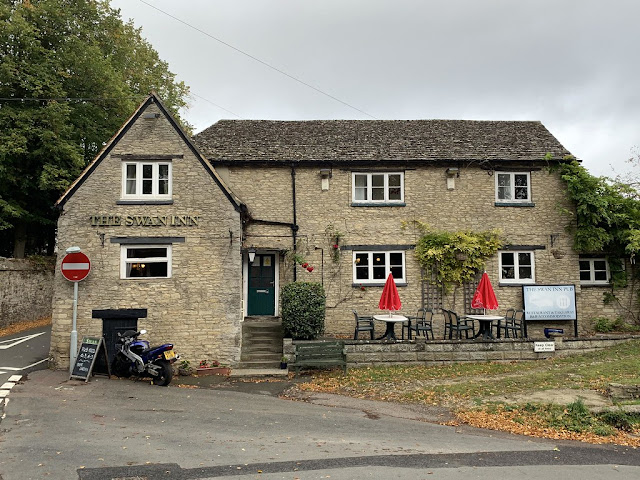
Swan Inn pub
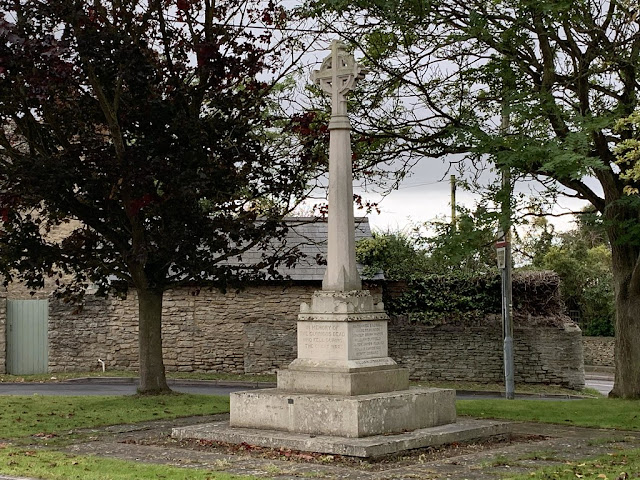
Memorial

Location