
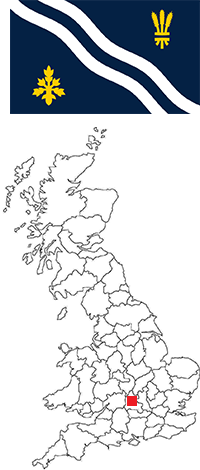
Chinnor is a village in south Oxfordshire close to the border with Buckinghamshire.
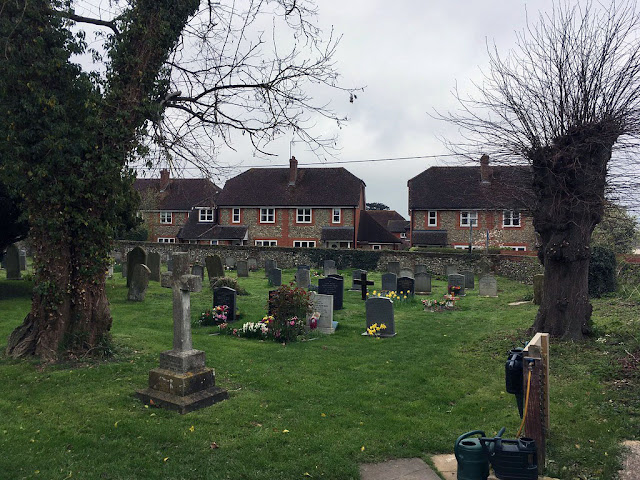
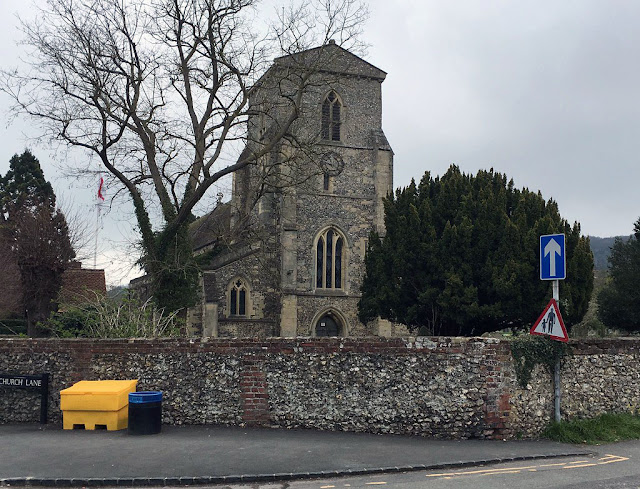
St Andrew's churchyard
There has been settlement in the area since the Iron Age, the name Chinnor may derive from the Saxon for "Ceona's Slope". Chinnor existed for sure in the late Saxon age, records of the village date from the reign of Edward the Confessor when the village was listed as being owned by Lewin, a royal servant. He held the village until the Norman Conquest when the village was granted to the de Vernon family. Later on, Chinnor was owned by the Earl of Winchester and until the late Middle Ages by the de Ferrers family.
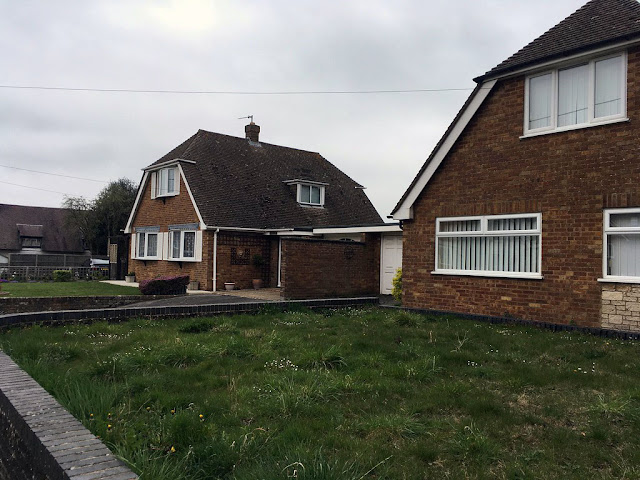
Houses in Chinnor
Chinnor remained a small village for centuries, only seeing a spark in growth in the 1960s. The population more than doubled in size between 1951 and 1971. A major employer in the area was the Chinnor Cement & Lime Limited Company, this was finally closed down in 1999.
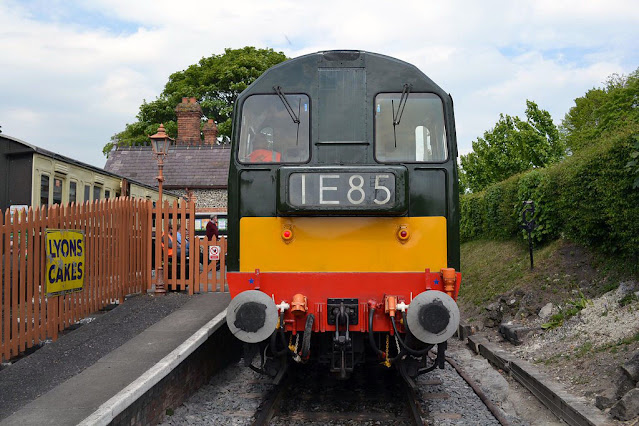
Crossing the line (safely) at Chinnor
Chinnor's parish church is St Andrew which dates from 1160 although much of the current church dates from the 13th and 14th centuries. Chinnor station is the head quarters of the Chinnor & Princes Risborough Railway preserved line, the original station was closed in 1961, it re-opened in 1994.
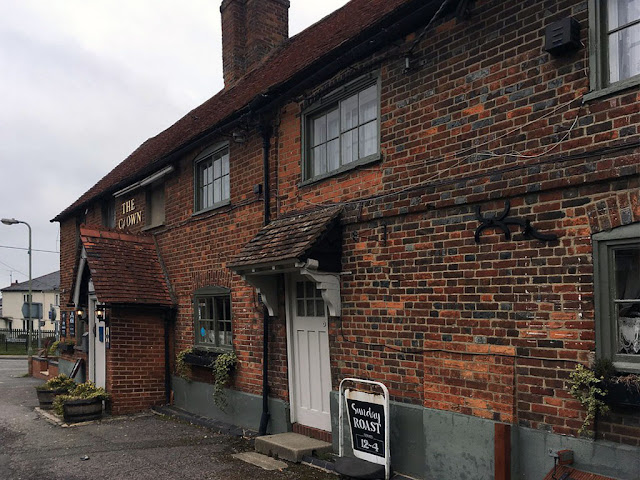
The Crown Pub
St Andrew
The parish church of St Andrew in Chinnor has been in existence since at least 1160CE. This is when the earliest records of the church were made, though the church may have been built on the site of earlier Saxon remains. Much of the current church, which is made from knapped flint and brick and stone, dates from the 13th century including the aisles and the tower. The tower was heightened in the following century and the nave roof and chancel rebuilt. The South porch was also added.
The church was restored in the early 1860s. The church is well known for it's monumental brasses and has one of the largest collections in the country plus one of the oldest wooden screens.
Location