
Attenborough is a village on the south western border of Nottinghamshire, on the banks of the river Trent.
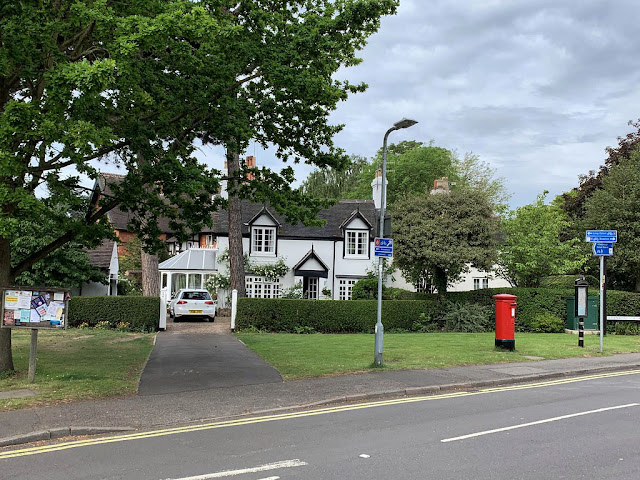
Attenborough
The village has been in existence since Saxon times when it was known as Addensburgh. The church of St Mary the Virgin was listed in the Domesday Book and probably has Saxon origins from around 964CE, though the oldest part of the current church is the chancel which dates from 1042.
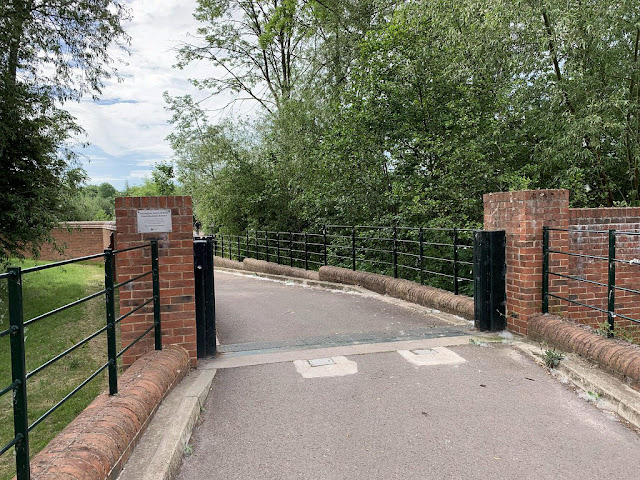
This way to the river
Attenborough was the birthplace of Henry Ireton, a son-in-law of Oliver Cromwell and one of his generals during the Civil War. Close to Attenborough is the village of Chilwell where a munitions factory was situated during the First World War. On July 1st 1918, 134 people were killed in an explosion at the factory, this remains the largest loss of life from a single explosion on mainland Britain. There is a memorial in St Mary the Virgin's churchyard.
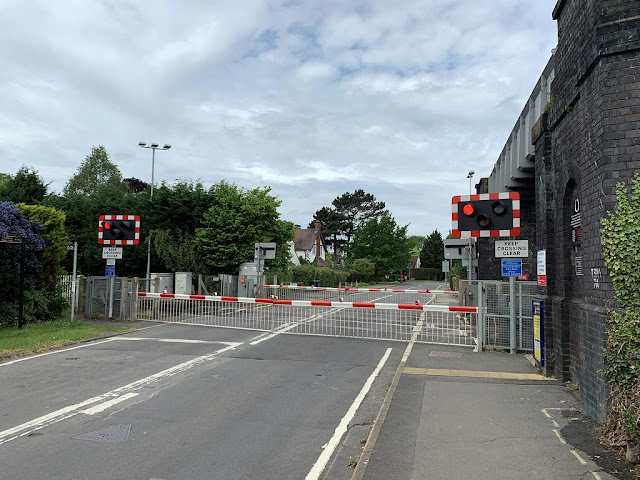
Caution, trains crossing
Former gravel pits near the river are now a nature reserve. Attenborough has had a railway station since 1856.
St Mary the Virgin
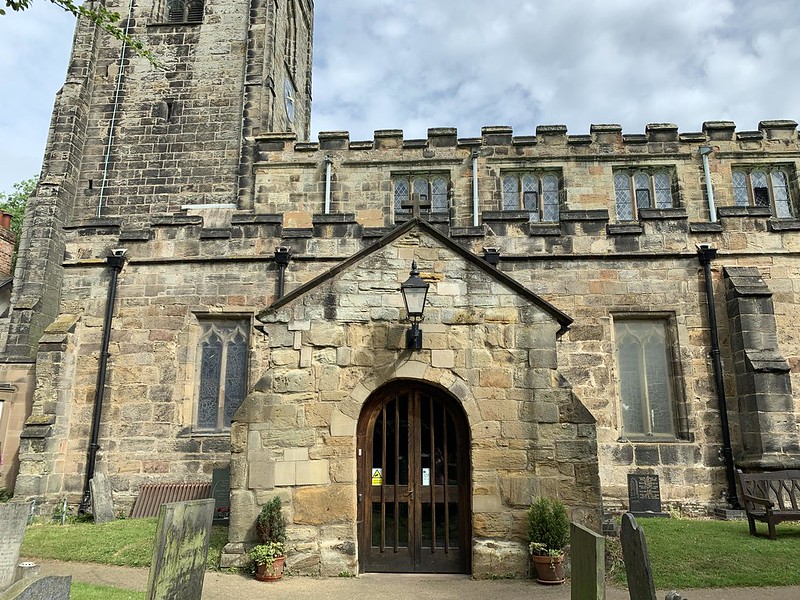
The parish church of St Mary the Virgin in Attenborough, Nottinghamshire dates from late Saxon times. The chancel was built in the mid-11th century, around 1042CE. The current church was probably built on the site of an earlier Saxon chapel, which was built in 964CE.
The church was built from dressed stone and ashlar and has a west tower, vestries, nave, north and south aisles and a south porch. Much of the current church dates to the 15th century with some later rebuildings kept to that style.
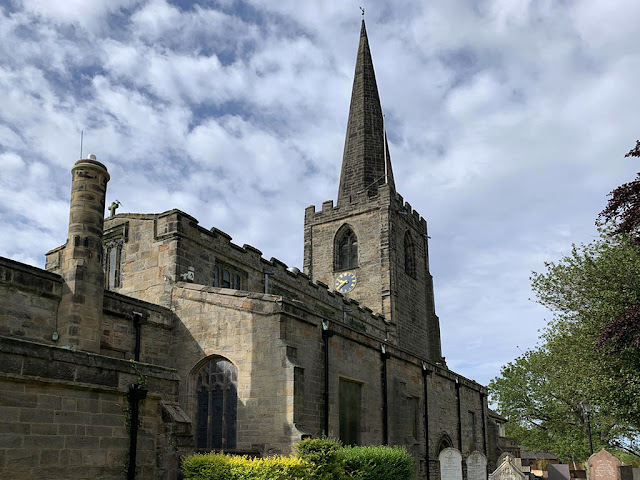
The spire was rebuilt in 1848 and is forty metres tall, the church restored in 1869.
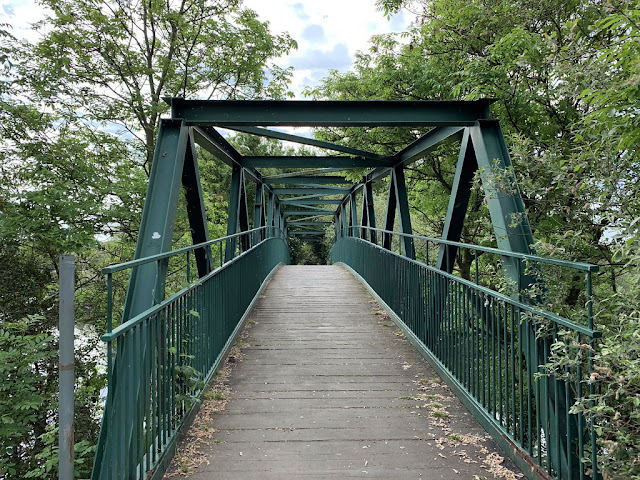
A rather fine looking bridge at the nature reserve
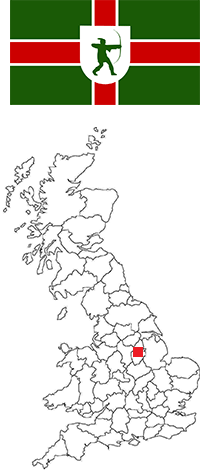
Location