
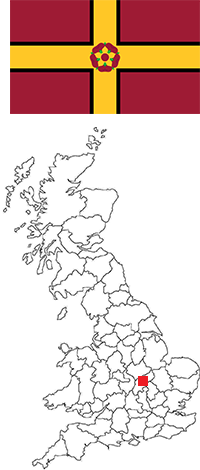
Kettering is a market town in the north of Northamptonshire.
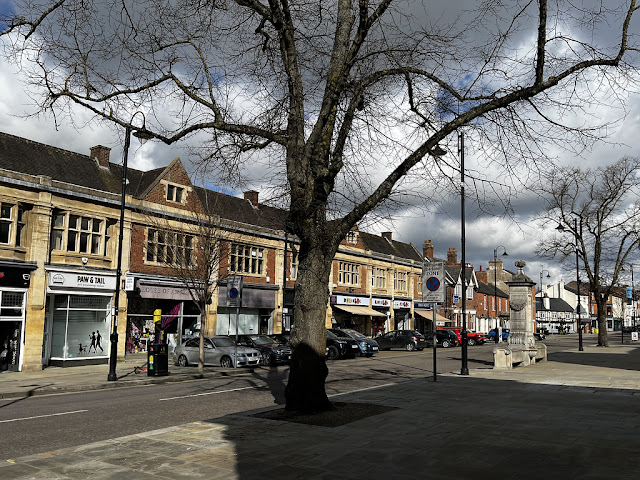
Kettering town centre
The area around Kettering has been inhabited since at least the Iron Age. The name Kettering is derived from the Old English for the place Ketter's people lived. A Roman town existed in the North of modern day Kettering. Fifth century Saxon urns have been found which indicates Kettering was one of the earliest places the Saxons lived in England's interior. The first mention of the village at Kettering dates from a royal charter from 956CE.
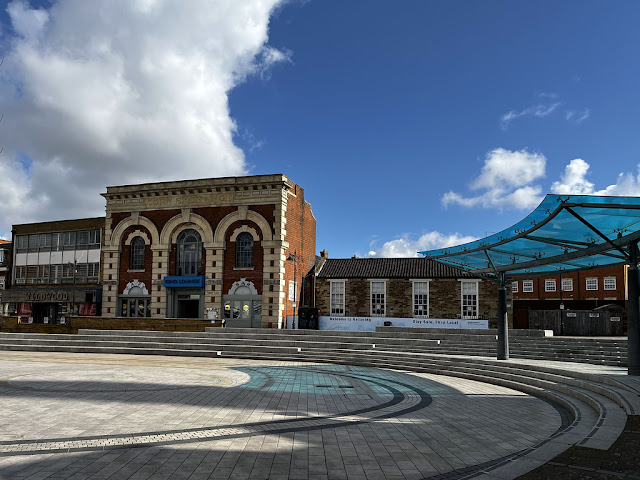
Main square
In the Domesday Book the manor of Kettering was listed as belonging to the Abbey at Peterborough. Henry III granted Kettering a market charter in 1227. Kettering became a centre of woollen cloth and later the shoe and boot industries. The town grew in the 19th century. The shoe industry was a major employer in the town though has shrunk with the departure of major manufacturers in the late 20th century.
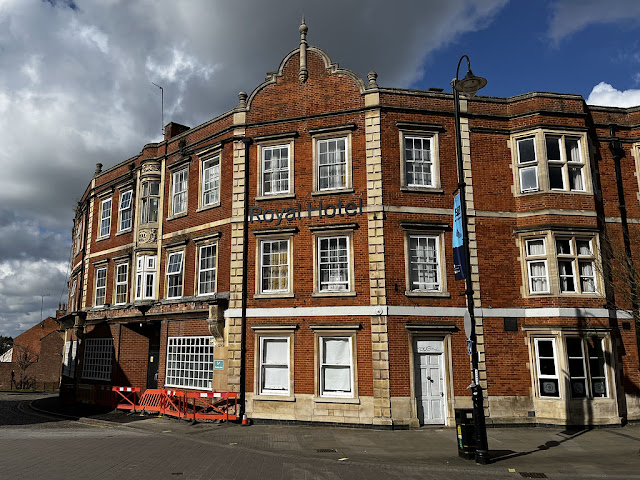
Royal Hotel
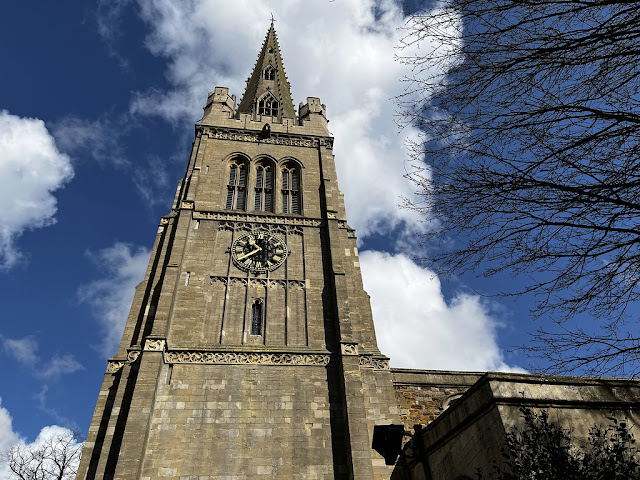
Kettering's parish church of St Peter and St Paul dates from the 13th century though it's fine spire dates from a later century. Kettering railway station was opened in 1857 and is now part of the Midland Main Line. Although most of the shoe industry has left Kettering, the town has a number of other industries and businesses, as well as commuters to elsewhere including London, and has one of the highest employment rates in the country.
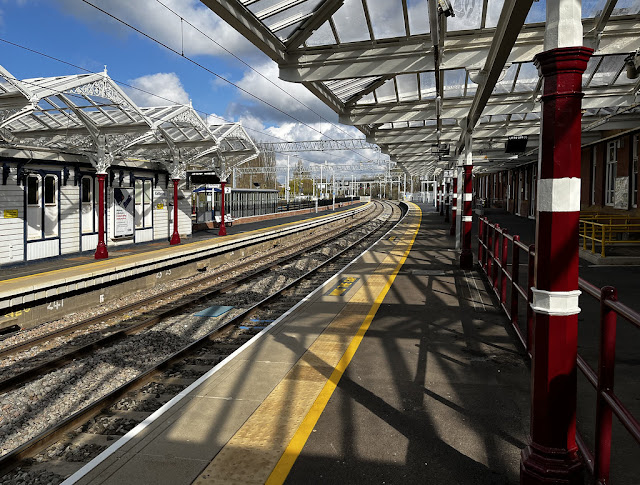
Kettering railway station
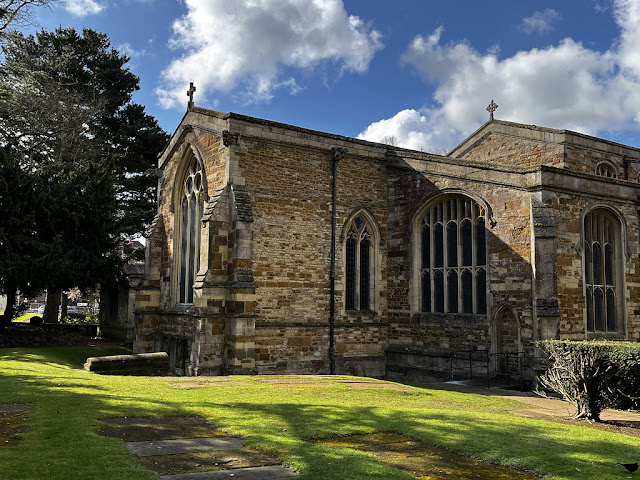
St Peter and St Paul
The exact date of the creation of the parish church of St Peter and St Paul in Kettering, Northamptonshire is unknown though the earliest priest dates from the 1220s. The church today mainly dates from the 15th century and is in the Perpendicular style though the chancel is Early Decorated and dates from the 13th century.
The church has a nave with clerestory, aisles and north and south chapels. The west tower has a 55m high spire.
Location