
Melton Mowbray, famous for it's pork pies of course, was already a market town by the time of the Domesday Book and there is evidence of inhabitation in the area from Bronze Age times. The town has certainly existed since Anglo-Saxon times as a pagan cemetery has been found.
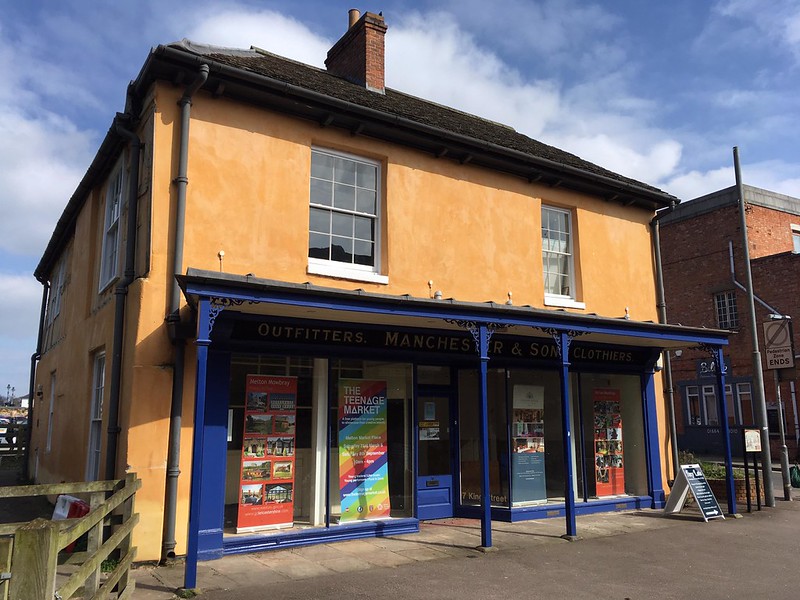
Former shop now community building
By the time of the Domesday Book, Melton Mowbray had around 200 inhabitants with a weekly market (the third oldest market in England) since before 1077CE.
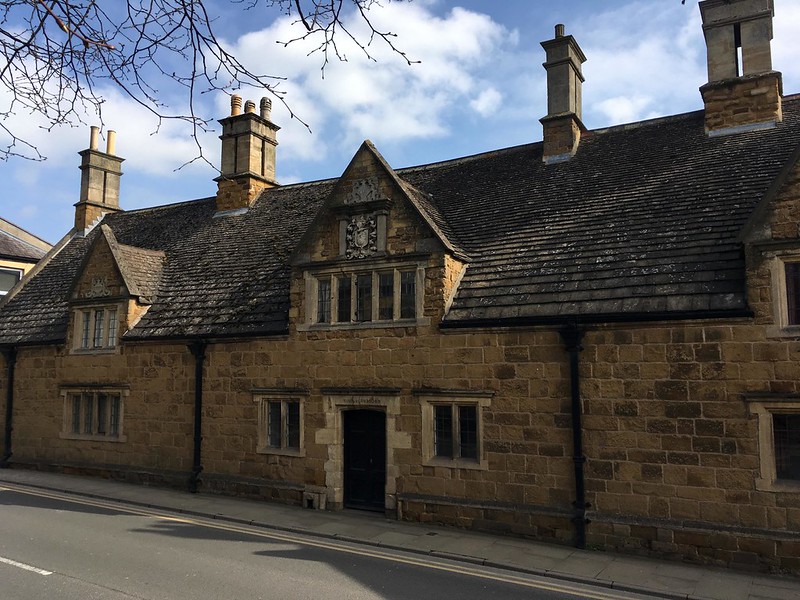
Fine old building in the town
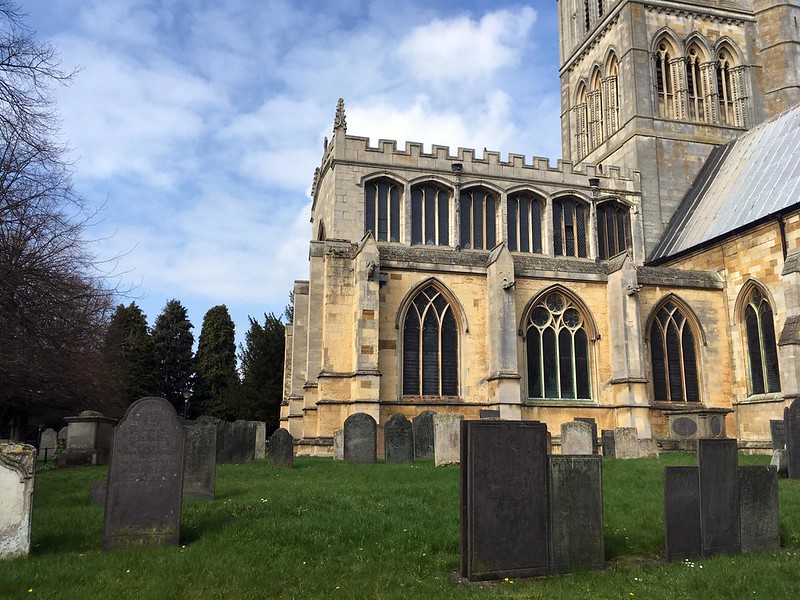
Melton Mowbray's impressive parish church of St Mary dates the 13th century though with major additions in the following centuries. It is one of only a handful of parish churches to have a transept flanked by aisles.
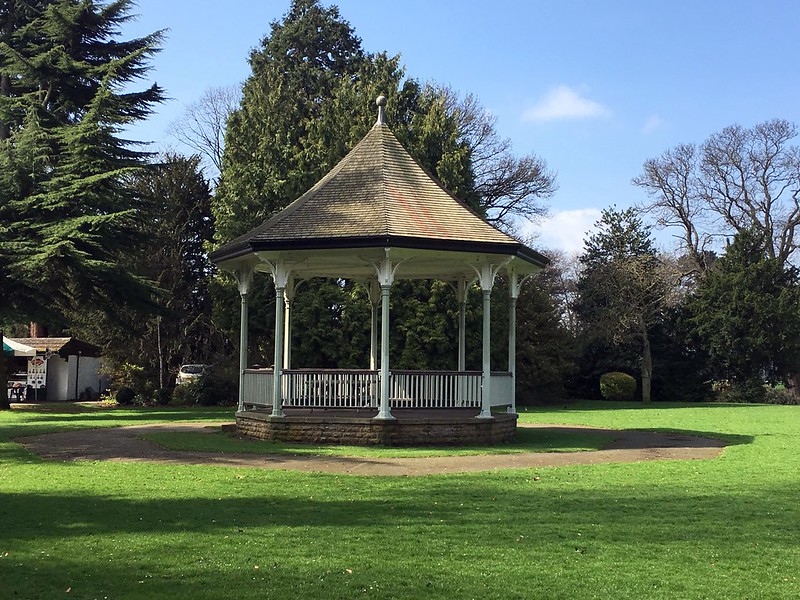
Band stand in the park
These days Melton Mowbray is best known for it's food, especially pork pies and stilton cheese and styles itself as the Rural Capital of Food. The town's railway station is on the Birmingham-Peterborough Line.
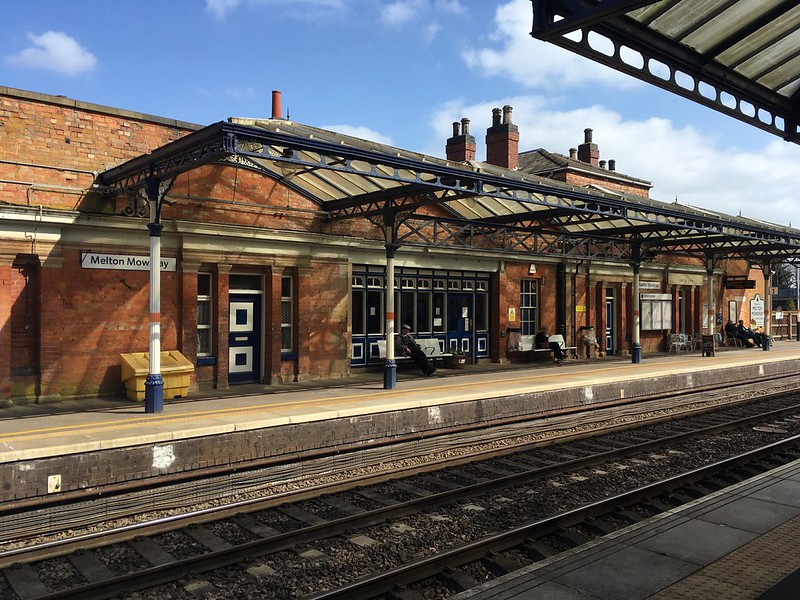
Railway station
St Mary
"The stateliest and most impressive of all churches in Leicestershire" according to Pevsner [1] and it's hard to argue with that. St Mary's dates mostly from the late 1200s with fifteenth century additions. The lowest part of the tower is Norman and dates from 1170.
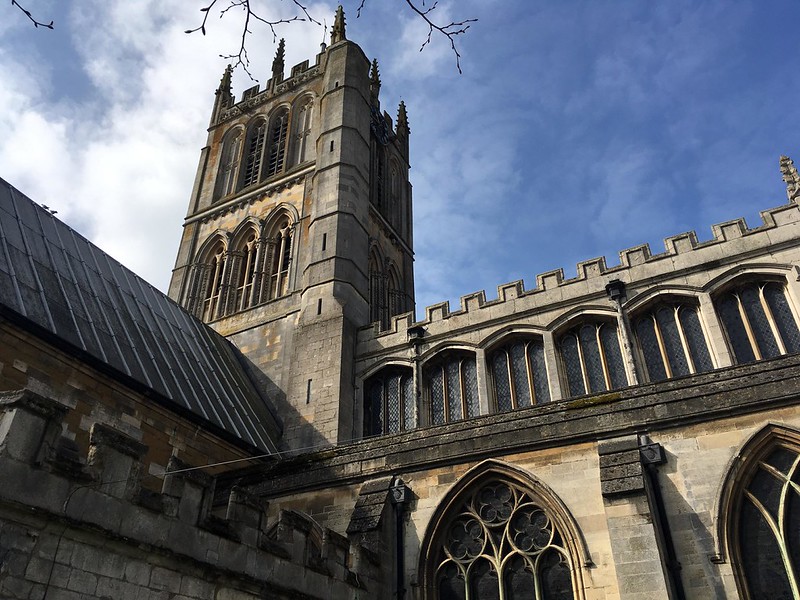
The church is built on a plan more usual with cathedrals, having a transept flanked by aisles - a rare feature for a "mere" parish church, and has a thirty metre tall tower. The church dominates the town of Melton Mowbray. By the twenty first century the church was in a poor state of repair and a two million pound appeal was begun to raise funds for renovations and improvements including improved accessibility. Work was completed in late 2017.
[1] Nicholas Pevsner, Leicestershire and Rutland (Penguin, 1960) p. 188
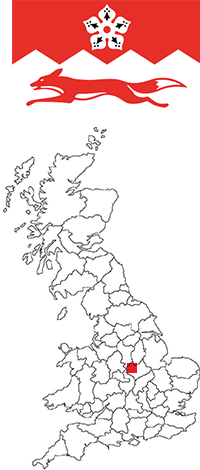
Location