
Long Eaton is a Derbyshire town in the south eastern corner of the county between Derby and Nottingham and located near the river Trent.
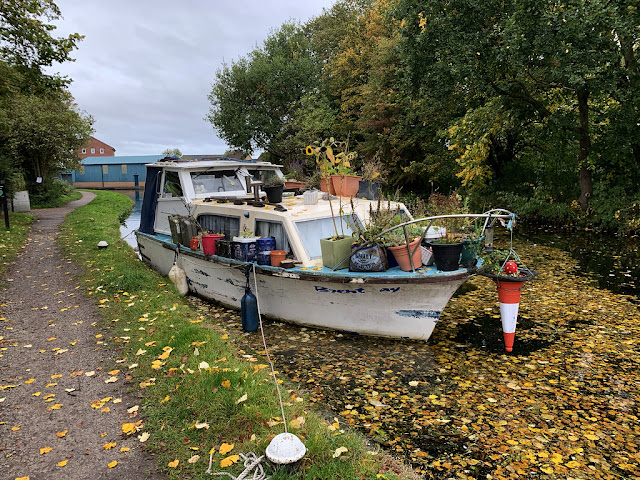
A boat on the Erewash Canal
The town has Saxon origins, it was known as Aitone (which may mean Farm between the streams) in the Domesday Book. It was a farming settlement and was at a crossing of the river Erewash. Long Eaton gained a market charter and grew slowly, a major setback being a great fire in 1694 which destroyed many houses in the town and buildings around the market place. A building which did survive is the parish church dedicated to St Laurence which dates back to the 12th century.
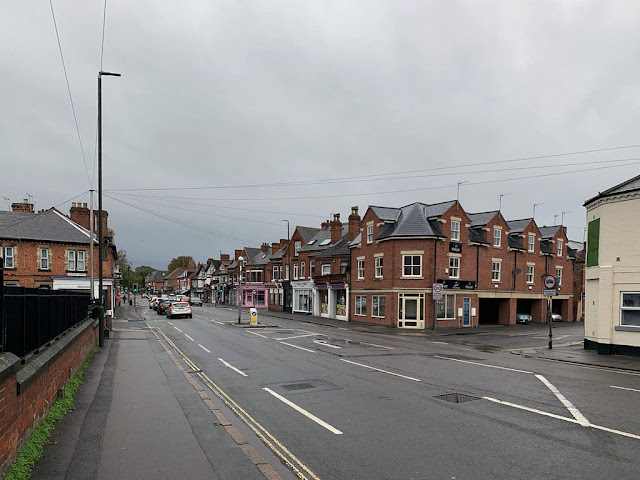
Down the road
The town began to grow much faster after the arrival of new transport links and new industries. Firstly the Erewash Canal which opened in the 1779 and linked Long Eaton with the river Trent. The first Long Eaton railway station opened in 1839, the current station dates from 1888. The large Toton marshalling yards were near the town.
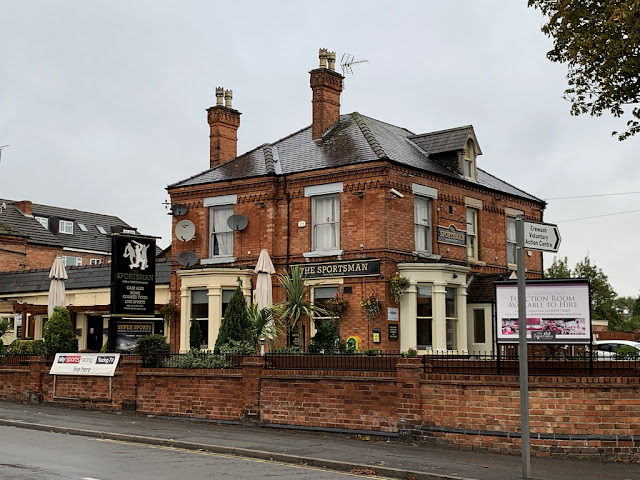
A pub in Long Eaton
The town developed lace making and railway wagon construction as industries employing many people. By the early 20th century a quarter of the population of the town (then over 10,000) was employed in the lace-making industry.
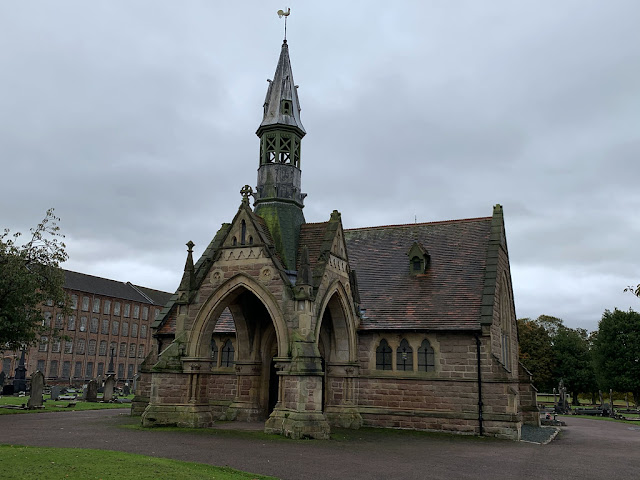
Long Eaton Cemetery chapel
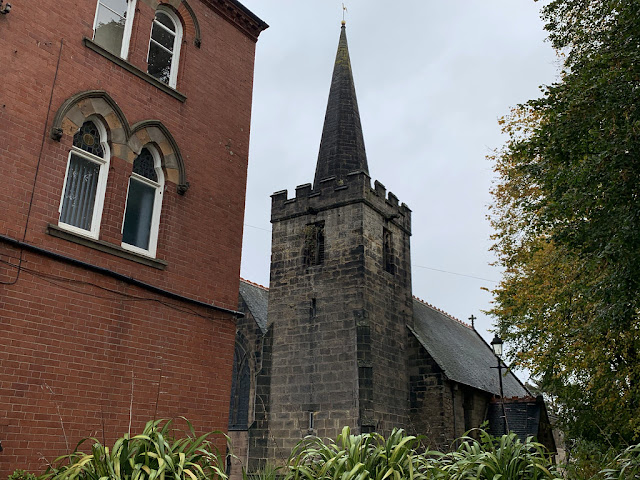
St Laurence
The parish church of St Laurence in Long Eaton, Derbyshire dates from the 12th century though little of the church remains from then apart from a Norman doorway and some other fragments. Larger parts of the church date from the 14th and 15th centuries. The church was rebuilt in 1868-9 with the original church becoming the South aisle of an expanded church which had a new North aisle, nave and chancel in a matching style.
The West tower dates from the 15th century and has a recessed spire common to many churches in the county. It is ashlar faced. The church was originally a chapel of ease to the parish church in Sawley but became an independent parish in the 19th century.
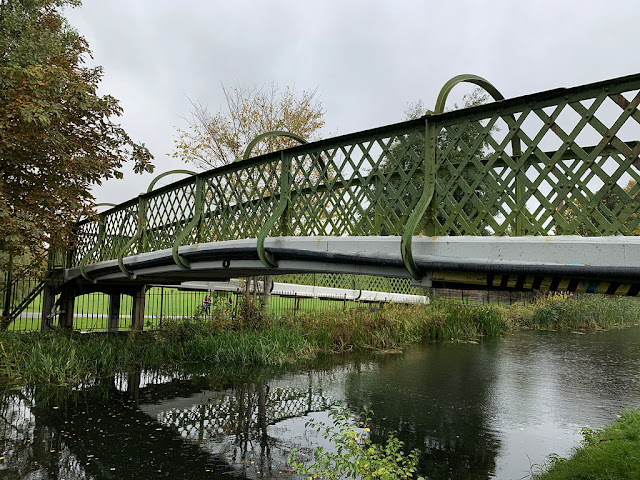
Broad Street Footbridge
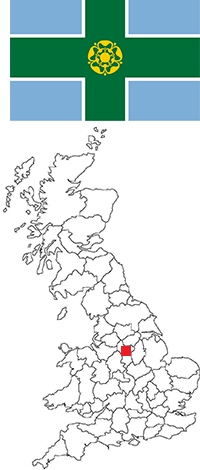
Location