
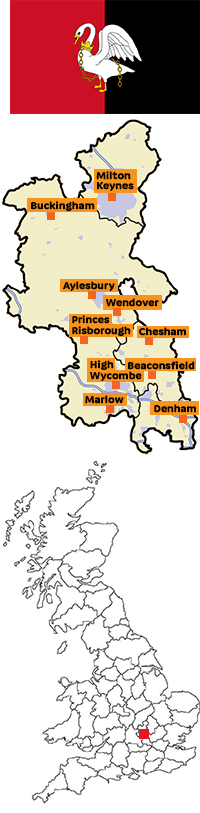
Beaconsfield is a market town in south Buckinghamshire close to High Wycombe and Amersham.
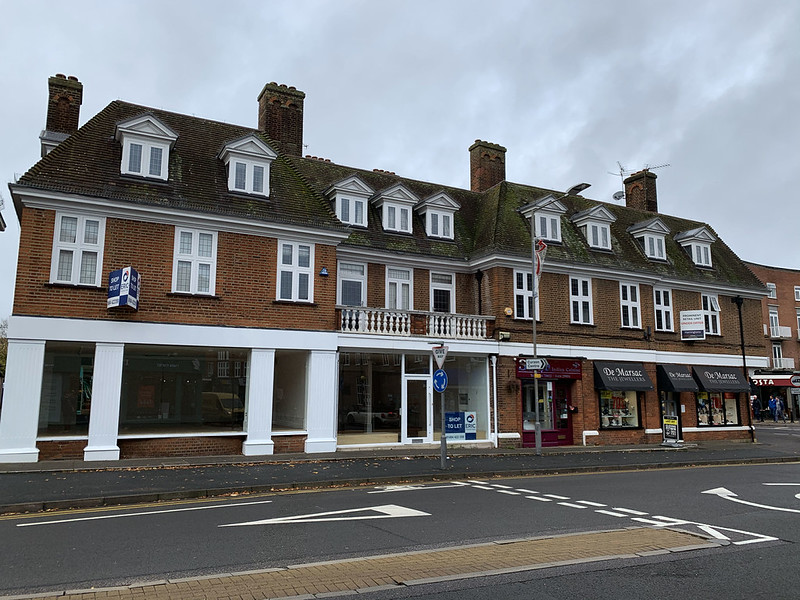
Along the high street
The earliest record of Beaconsfield dates from the late twelfth century where it was known as Bekensfeld (Beeches Field). In the mid-thirteenth century the town received it's charter allowing it to have a yearly market (on May 10th) which the town continues to have to the current day. In latter years Beaconsfield was a stop for stagecoaches travelling between London and Oxford. Nowadays Beaconsfield is very affluent, indeed it was named Britain's richest town in 2008!
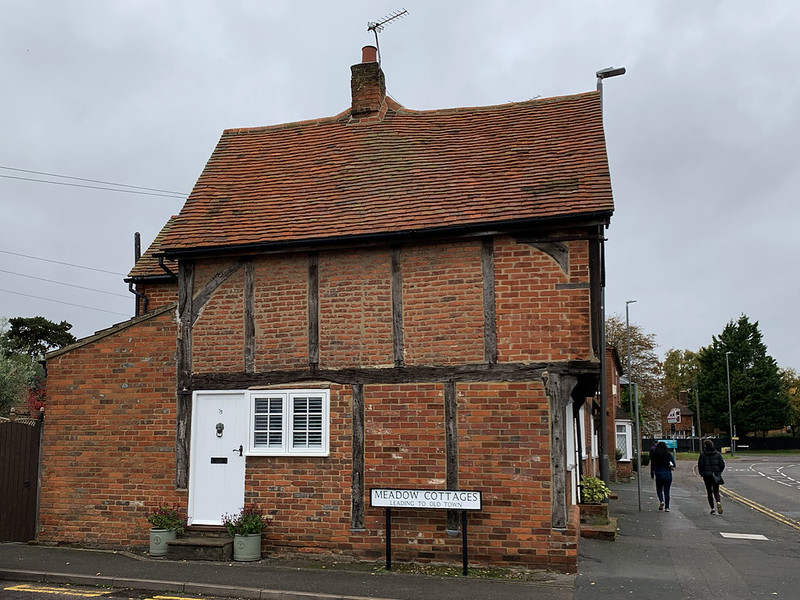
An older home in Beaconsfield
Beaconsfield consists of the Old Town and the New Town which was a result of the railways reaching the town at the start of the twentieth century with new settlement being built up around Beaconsfield railway station. An example of one of the buildings of the New Town is the Church of St Michael and All Angels.
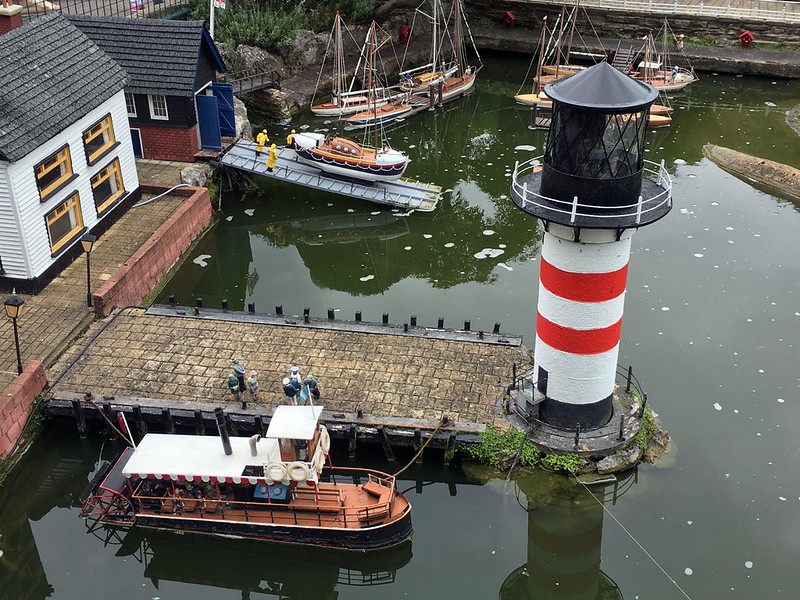
Bekonscot model village
A notable attraction of the town is Bekonscot, the first model village in the world. The town also has film studios with the town often appearing in films and TV productions such as Thunderball and Inspector Morse.
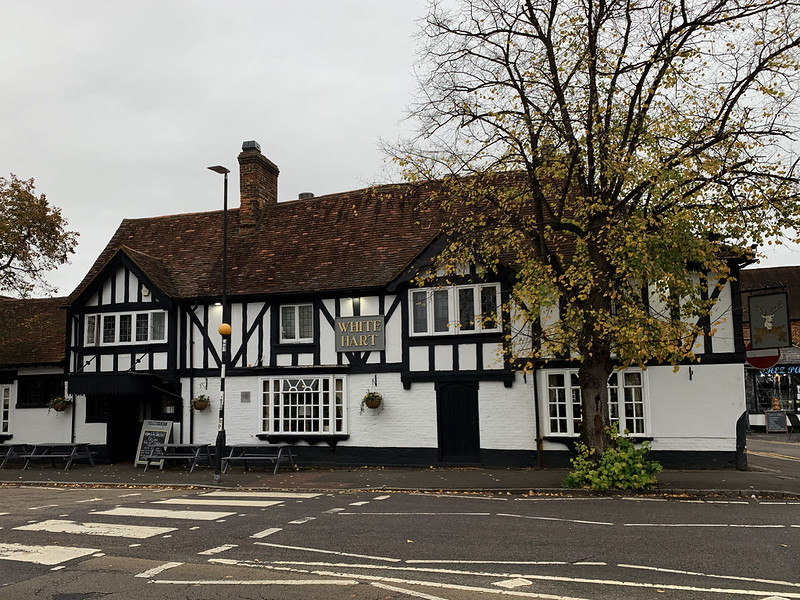
White Hart pub
St Mary & All Saints
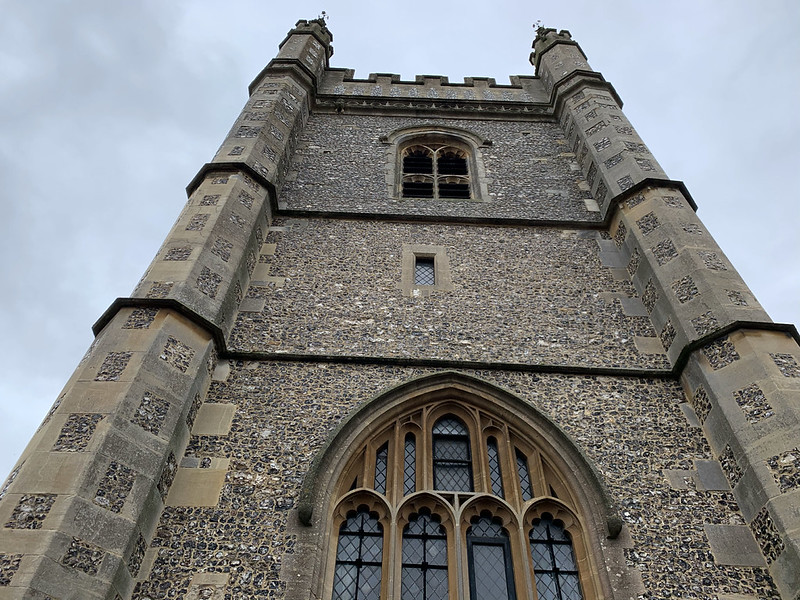
The parish church of St Mary & All Saints has been in existence since 1210CE. However, the current church is mostly from a 19th century rebuild and enlargement. The enlargement included the Western parts of the arcades and part of the tower.
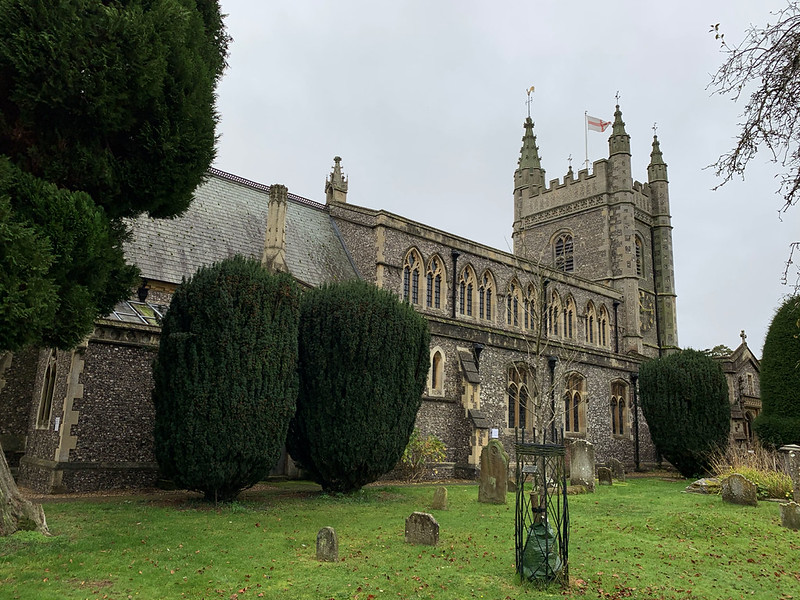
The church is built from flint and bath stone. The church is the burial place of G.K. Chesterton, Edmund Burke and Edmund Waller, who has an obelisk memorial in the churchyard.
St Michael & All Angels
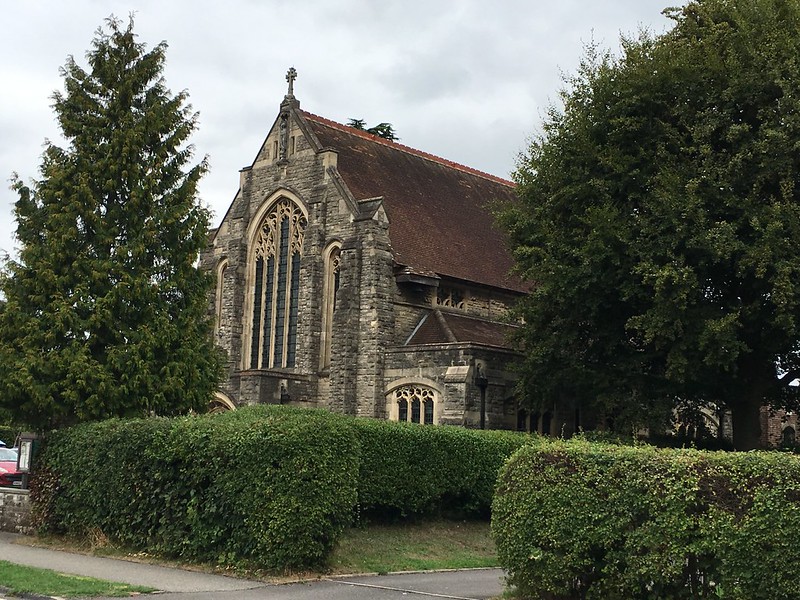
St Michael & All Angels is an early twentieth century church built in the New Town area of Beaconsfield. The Old Town of Beaconsfield has existed since at least the early Norman period but the New Town was built about a mile to the North of the original town at the end of the nineteenth century when the railway reached Beaconsfield.
St Michael & All Angels was built in 1914 though because of the First World War original plans for the church including a spire and sanctuary were never realised. A nave and aisles were built in Kentish ragstone in the Decorated style. A sanctuary was finally built in the 1950s and a lady chapel in the 1960s.
Location