
Aspley Guise is a village on the border in Bedfordshire, on the border with Buckinghamshire, near to Milton Keynes.
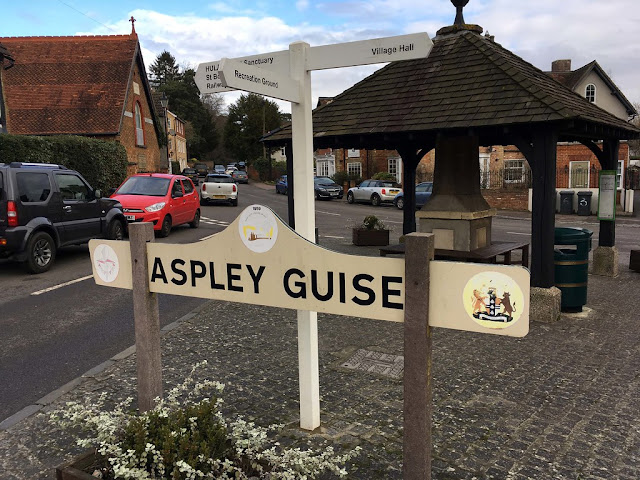
The village centre
Aspley Guise is derived from Aspenlea, meaning aspen clearing, and from the de Guise (de Gyse) family who were lords of the manor in the 14th century. The first recorded settlement in the area dates to the 10th century and the parish was mentioned in the Domesday Book. The area remained mostly agricultural with two windmills in the parish mentioned in the 16th century. The village is situated at a cross roads and has remained small. A market charter was granted in 1267 by Anselm de Gyse though the market has long since been discontinued.
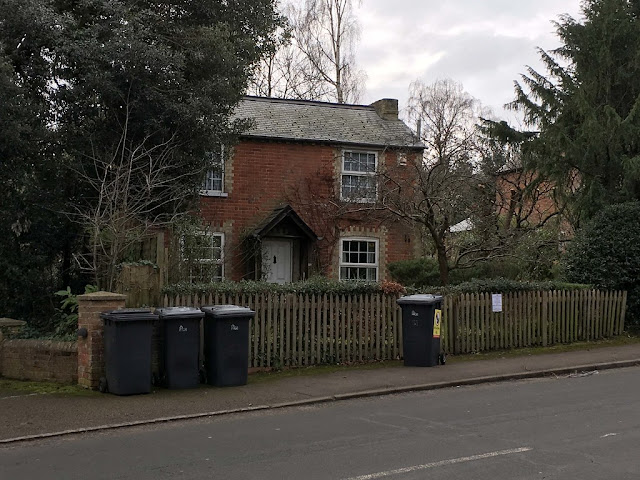
House in Aspley Guise
By the 20th century brick making and clay extraction had become major industries though nowadays many inhabitants will work (and commute to) elsewhere. The parish church of St Botolph dates from the 13th century, from around 1223. Aspley Guise railway station was opened in 1905.
St Botolph
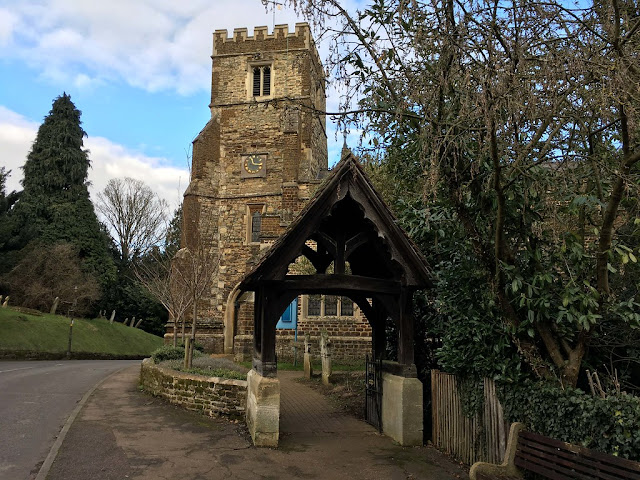
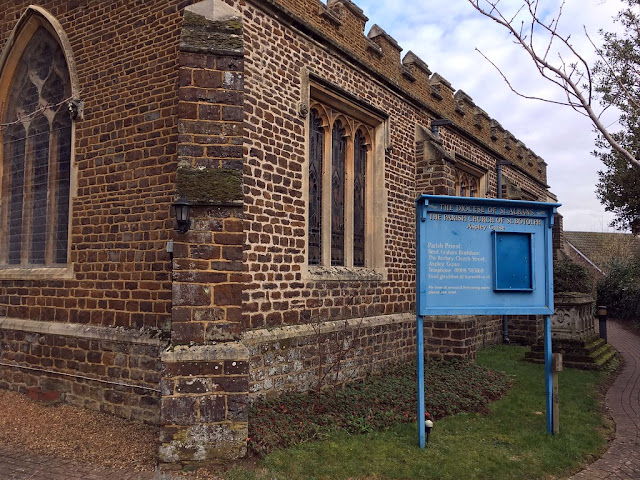
There has been a church in Aspley Guise since Saxon times, the church of St Botolph (a seventh century Anglo-Saxon abbot and scholar) dates from the early thirteenth century at least with the first record of the church dating from 1223. The church was extensively reworked in the early nineteenth century. The church is made from ironstone with ashlar dressings, the tower from limestone rubble.
The church tower dates from the fifteenth century at least and has a clock that dates from then too. The oldest monuments in the church date from the 1400s including a tomb effigy thought to be of Sir William Tyrington who died in 1400.
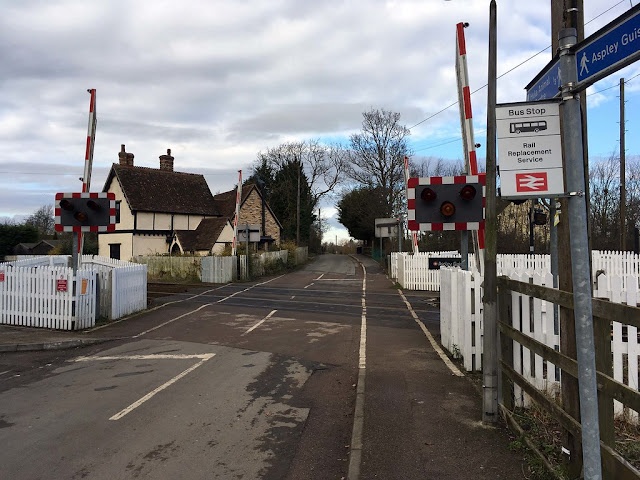
Level crossing
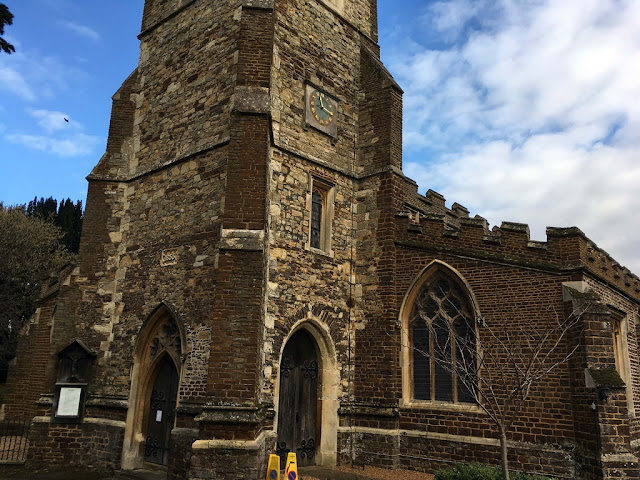
The parish church
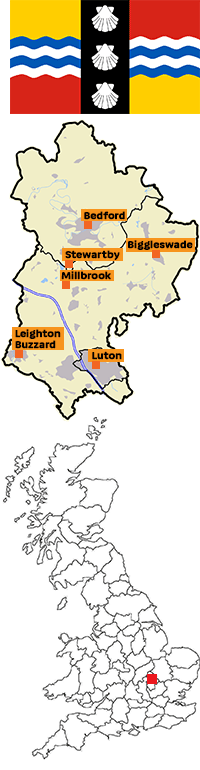
Location